
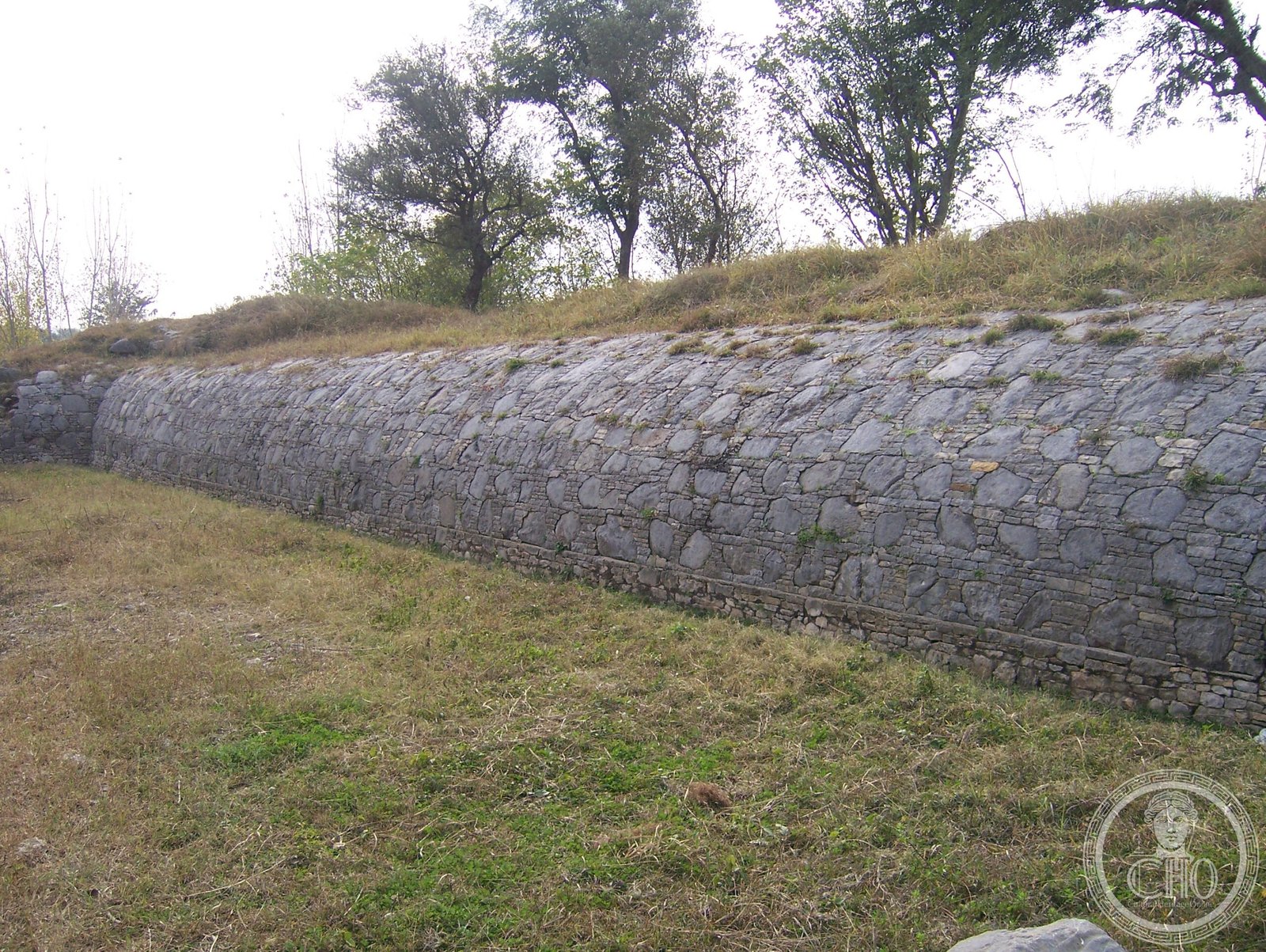
An ancient city within the archaeological complex of Taxila, Sirsukh represents a significant layer of the region’s multilayered past.
At a glance
Sirsukh is one of three principal cities that comprise the Taxila ruins in Punjab, Pakistan. The site preserves remains of urban settlement and stands among the most important archaeological records in South Asia.
History
Sirsukh forms part of the broader Taxila archaeological site, which documents multiple periods of occupation and cultural development. The city’s position within this complex reflects the region’s role as a crossroads of ancient trade and political power.
What you see
Visitors encounter the physical remains of an ancient urban settlement. The excavated ruins reveal the layout and construction methods of a classical South Asian city, though detailed architectural features require on-site study.
Cultural significance
Sirsukh is integral to understanding the archaeological narrative of Taxila, a UNESCO World Heritage Site. The site contributes essential evidence about ancient urbanism, settlement patterns, and cultural exchange in the Indian subcontinent.
Key facts
- Country: Pakistan
- City: Taxila, Punjab
- Coordinates: 33.7726°N, 72.8479°E
- Part of Taxila archaeological complex
Practical information & getting there
Sirsukh is located near the modern city of Taxila in Punjab, Pakistan. The site is part of the larger Taxila ruins, which can be visited from the provincial capital Lahore. Check locally for current access conditions and any visitor facilities at the archaeological zone.
Sources & resources
Find it on the map
See this place and what’s around it →📷 Become a Cultural Heritage Online photographer
Share your photos of places: they stay published under your name as the author. The more they're seen, the more you get noticed — and soon a contest will reward the most appreciated photos.
Log in or sign up free to add a photoIs this page about you?
This page is read by travellers and heritage enthusiasts who find it on Google. Tell us how you are connected to this place and we will take it from there.