
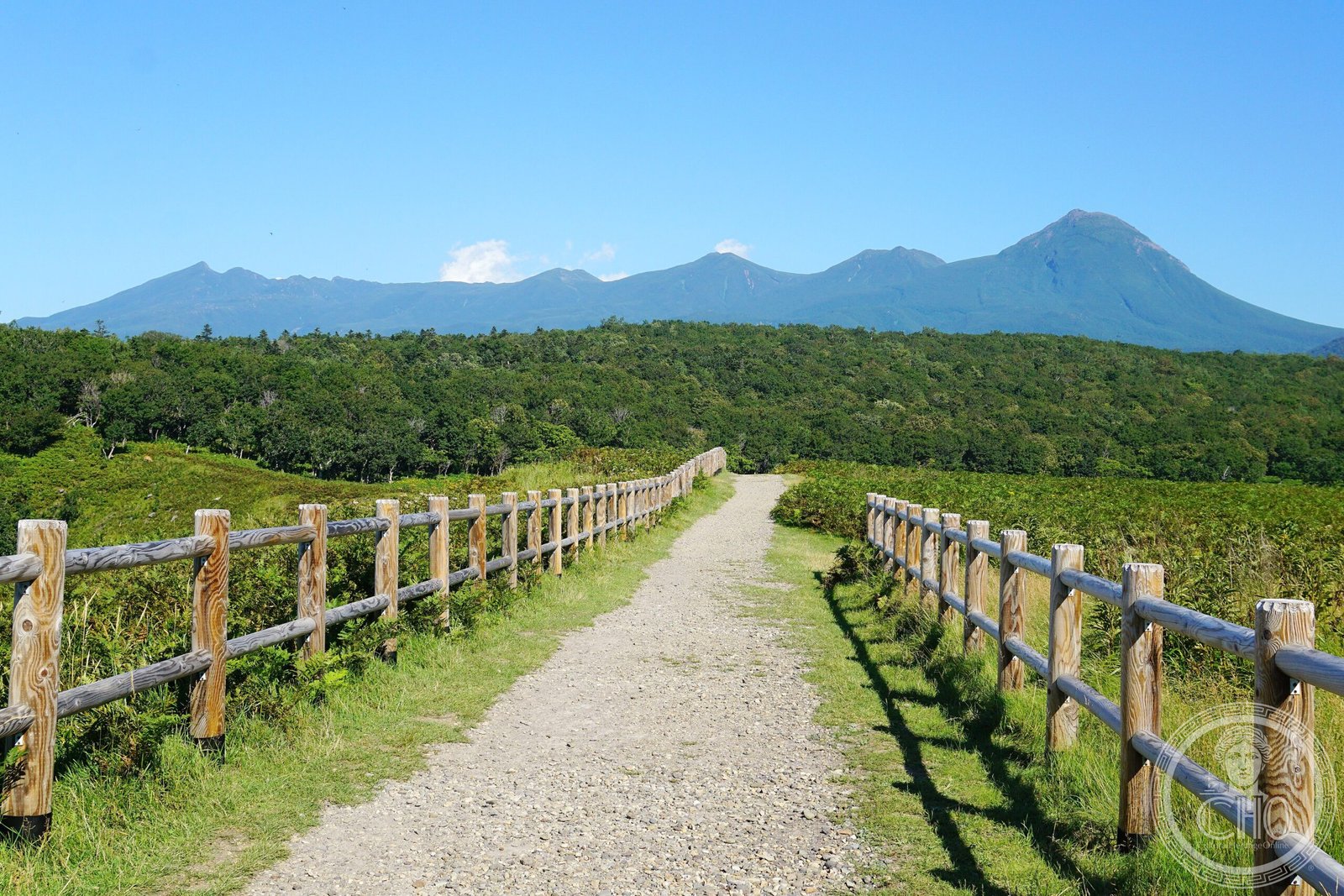
A remote wilderness at Hokkaido’s northeastern tip, where pristine forests and coastal waters shelter Japan’s largest brown bear population and rare sea eagles, designated a UNESCO World Heritage Site in 2005.
At a glance
Shiretoko National Park covers most of the Shiretoko Peninsula, one of Japan’s most isolated regions, accessible only on foot or by boat. The name derives from the Ainu word “sir etok,” meaning “the place where the earth protrudes.” The park encompasses temperate and subalpine forests alongside dramatic coastal landscapes where wildlife thrives in near-pristine conditions.
History
The Ainu people have inhabited the Shiretoko area for generations. In 2005, UNESCO designated the peninsula a World Heritage Site, recommending joint development with Russia’s Kuril Islands as a transboundary “World Heritage Peace Park”—a designation that sparked debate among Indigenous Ainu communities who viewed it as overlooking their long history of settlement in the region.
What you see
The landscape is defined by dense mixed forests of Sakhalin fir, Erman’s birch, and Mongolian oak, giving way at higher elevations to impenetrable thickets of Siberian dwarf pine. Kamuiwakka Falls, a distinctive hot springs waterfall whose name means “water of the gods” in Ainu, cascades through the forest. The coastline offers views toward the disputed Kunashiri Island.
Cultural significance
Shiretoko stands as a sanctuary for Japan’s most vulnerable wildlife. The park hosts the country’s largest brown bear population, along with Steller’s sea eagles and white-tailed eagles, spotted seals, orca whales, and sperm whales. Its recognition as a World Heritage Site affirmed its global ecological importance, though the designation itself reflects ongoing tensions over Indigenous land rights and international sovereignty.
Key facts
- Country: Japan
- Location: Shiretoko Peninsula, northeastern Hokkaido
- Coordinates: 44.1°N, 145.18°E
- UNESCO World Heritage Site: 2005 (Natural Heritage)
- Access: Foot and boat only
Practical information & getting there
The Shiretoko Park Nature Center in Shari serves as the main visitor hub, offering exhibitions, a film about the park, dining, and a gift shop. Given the peninsula’s extreme remoteness and limited access, plan visits during summer months when weather permits foot and boat travel. Contact the visitor center for current conditions and guided access options.
Sources & resources
Find it on the map
See this place and what’s around it →📷 Become a Cultural Heritage Online photographer
Share your photos of places: they stay published under your name as the author. The more they're seen, the more you get noticed — and soon a contest will reward the most appreciated photos.
Log in or sign up free to add a photo