
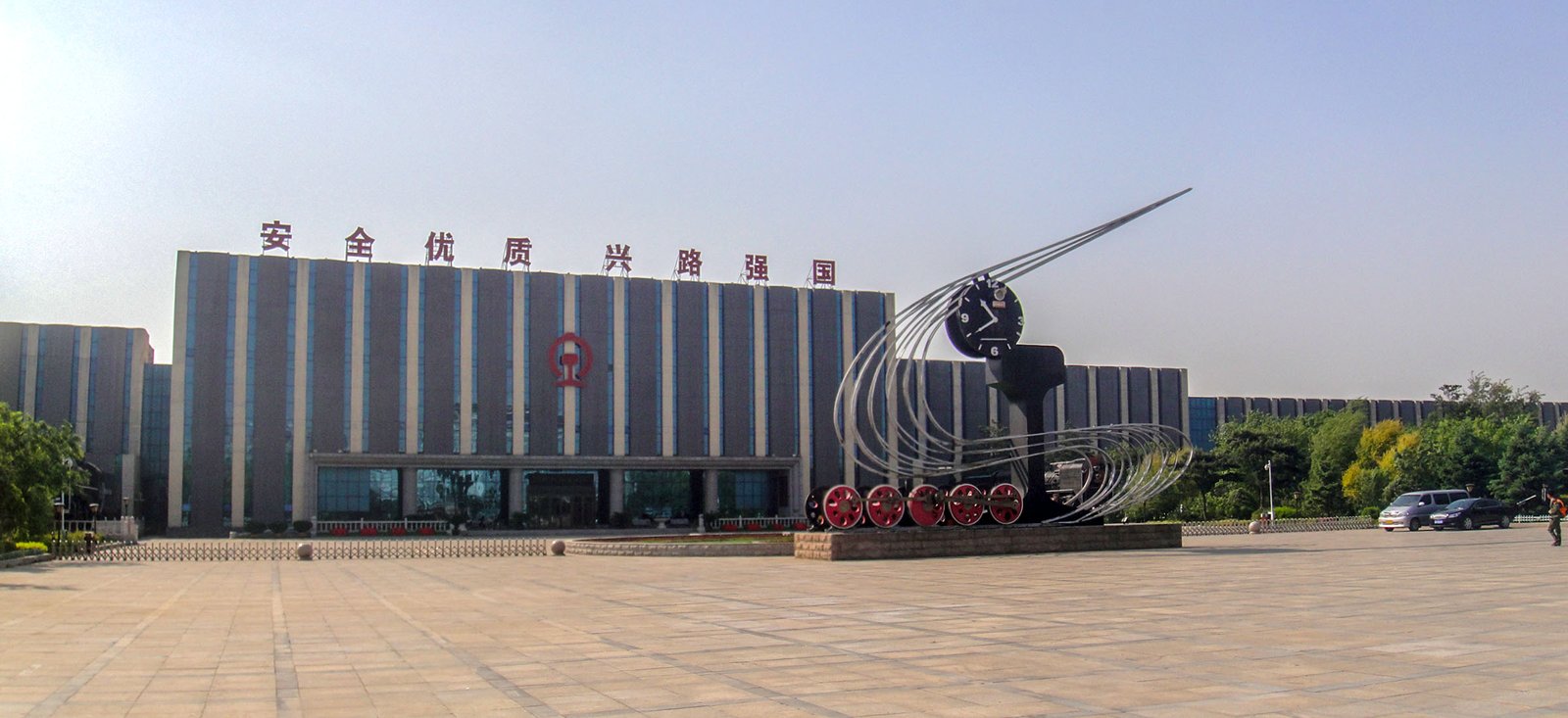
Northeast China’s largest railway museum documents a century of locomotive history through locomotives, vehicles, photographs, and archival records.
At a glance
Located in Sujiatun District on the grounds of the historic Sujiatun Locomotive Depot, this comprehensive museum spans 80,000 square meters. Its 19,000-square-meter building houses over 800 exhibits, making it an essential record of regional rail development.
History
The museum traces railway expansion across Northeast China over the past 100 years. Sited at the Sujiatun Locomotive Depot—itself a significant operational rail facility—the museum draws on the region’s substantial railway heritage to tell this industrial story.
What you see
The museum presents dozens of preserved railway locomotives and vehicles alongside more than 1,500 historical photographs. These artifacts are arranged to illustrate the evolution of rail technology and infrastructure in Northeast China across the twentieth century.
Cultural significance
As the largest railway museum in Northeast China, Shenyang Railway Museum serves as a primary repository for understanding the region’s industrial and transportation heritage. The collection documents the technological and economic forces that shaped modern China.
Key facts
- Country: China
- City: Shenyang, Liaoning Province
- Location: No. 8 Shandan Street, Sujiatun District
- Site area: 80,000 square meters
- Building area: 19,000 square meters
- Number of exhibits: 800+
- Historical photographs: 1,500+
- Coordinates: 41.68°N, 123.355°E
Practical information & getting there
The museum is situated on the north side of the Sujiatun Locomotive Depot of the Shenyang Railway Bureau. For current opening hours, admission fees, and detailed directions, consult the Shenyang Tourism Bureau or local visitor information.
Sources & resources
Find it on the map
See this place and what’s around it →📷 Become a Cultural Heritage Online photographer
Share your photos of places: they stay published under your name as the author. The more they're seen, the more you get noticed — and soon a contest will reward the most appreciated photos.
Log in or sign up free to add a photoIs this page about you?
This page is read by travellers and heritage enthusiasts who find it on Google. Tell us how you are connected to this place and we will take it from there.