
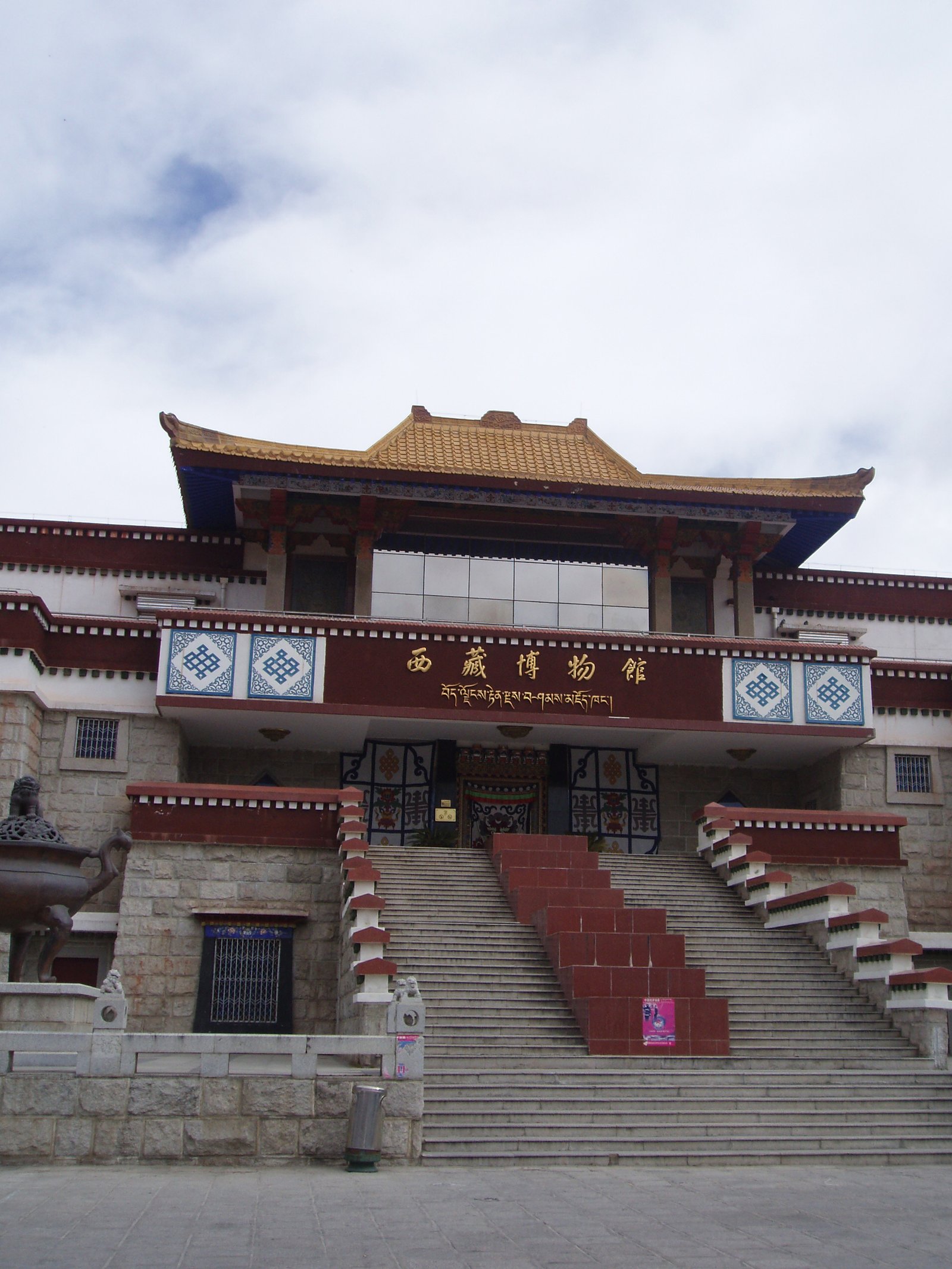
China’s first large-scale modern museum dedicated to Tibetan culture, housing over half a million artifacts spanning centuries of art, craft, and religious tradition.
At a glance
Inaugurated in October 1999, the Tibet Museum is the official repository of cultural heritage for the Tibet Autonomous Region. Its collection of more than 520,000 artifacts makes it a primary source for understanding Tibetan civilization across multiple eras and disciplines.
History
The museum opened to the public on October 5, 1999, marking a significant moment in Tibet’s modern institutional development. It was the first museum of its scale and character in the Tibet Autonomous Region. The assembly of its collection involved the confiscation of property from Tibetan aristocratic and religious institutions by the Chinese Government, a practice that generated the core holdings now on permanent display.
What you see
Approximately 1,000 artifacts are displayed in the museum’s galleries, representing Tibetan cultural history across multiple media. Holdings include pottery, jade objects, and Buddhist statuary alongside architectural fragments such as traditional Tibetan doors and structural beams that illustrate centuries of design practice. The range of material spans both secular and religious domains of Tibetan civilization.
Cultural significance
The Tibet Museum attracts hundreds of thousands of visitors annually and serves as the principal institution for public engagement with Tibetan material culture. Its comprehensive holdings document Tibetan artistic achievement, religious life, and domestic craft traditions. The museum’s role in preserving and presenting these collections shapes how Tibetan heritage is understood both within the region and beyond.
Key facts
- Country: China
- City: Lhasa, Tibet Autonomous Region
- Opened: October 5, 1999
- Total collection: 520,000+ artifacts
- Permanent display: ~1,000 artifacts
- Coordinates: 29.65115°N, 91.09728°E
Practical information & getting there
The museum is located in Lhasa, the capital of the Tibet Autonomous Region. Lhasa is served by domestic flights and railway connections from major Chinese cities. For current opening hours, admission fees, and visiting requirements, consult the museum directly or official tourism resources for the Tibet Autonomous Region.
Sources & resources
Find it on the map
See this place and what’s around it →📷 Become a Cultural Heritage Online photographer
Share your photos of places: they stay published under your name as the author. The more they're seen, the more you get noticed — and soon a contest will reward the most appreciated photos.
Log in or sign up free to add a photoIs this page about you?
This page is read by travellers and heritage enthusiasts who find it on Google. Tell us how you are connected to this place and we will take it from there.