
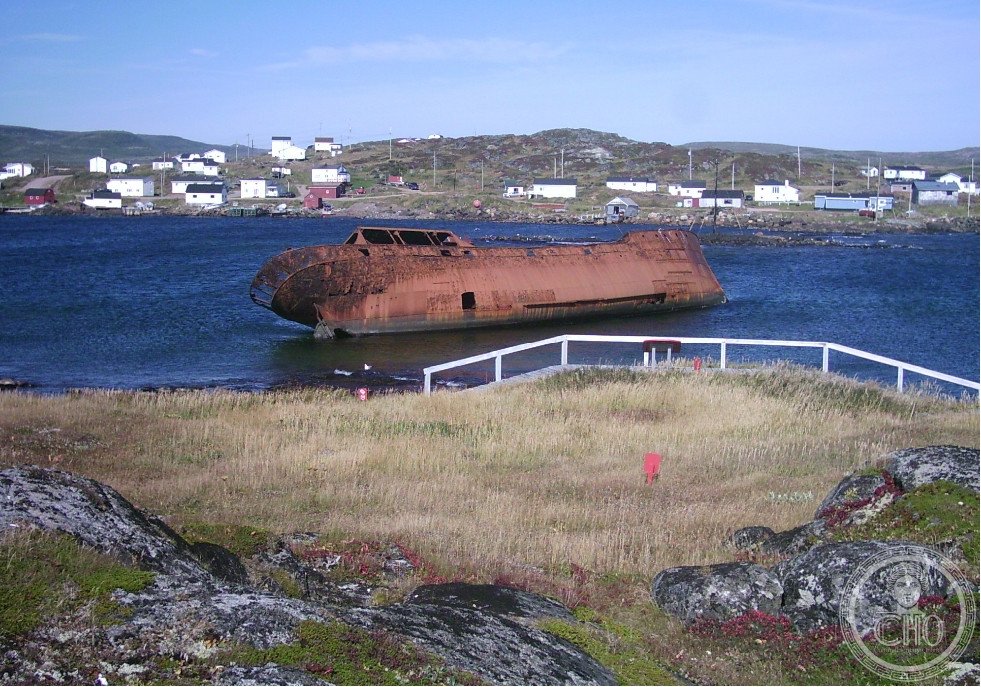
One of the world’s best-preserved Basque whaling stations, this combined on-land and underwater archaeological site reveals the scale and sophistication of 16th-century maritime enterprise in the North Atlantic.
At a glance
Red Bay National Historic Site encompasses 600 hectares of archaeological remains in Newfoundland and Labrador. The site preserves evidence of Basque whaling operations that flourished during the 16th century, when European whalers ventured across the Atlantic to exploit the rich marine resources of the Canadian coast.
History
During the 16th century, Basque whalers from Spain and France established a major whaling station at Red Bay. The site documents a crucial period of transatlantic commerce, when Basque expertise in whale hunting made them dominant figures in the North Atlantic fishery. Archaeological investigation has revealed the remains of boats, processing facilities, and other structures that attest to the organized nature of these operations. In 1979, the Canadian government recognized the site’s historical importance by designating it a National Historic Site. UNESCO conferred World Heritage status in 2013, acknowledging its significance to global maritime heritage.
What you see
The site combines terrestrial and underwater archaeological features. On land, visitors encounter the remains of tryworks (rendering facilities), warehouses, and residential structures that supported the whaling industry. Underwater, remarkably well-preserved wooden vessels and maritime artifacts provide insight into 16th-century shipbuilding and navigation. The cold subarctic waters have created exceptional preservation conditions.
Cultural significance
Red Bay represents a pivotal moment in early European expansion across the Atlantic. The Basque whalers who worked here were among the most skilled maritime professionals of their era, and their legacy shaped European commercial networks. The site connects Indigenous North American history with European exploration and establishes Red Bay as a crucial nexus of transatlantic cultural encounter.
Key facts
- Location: Red Bay, Newfoundland and Labrador, Canada
- Coordinates: 51.726916666667, -56.429527777778
- Size: 600 hectares
- Period: 16th century
- Designated National Historic Site: 1979
- UNESCO World Heritage Site: 2013
Practical information & getting there
Red Bay is located on the southern coast of Labrador. The site operates as an open archaeological landscape; visitors can explore terrestrial remains year-round. Consult Parks Canada for current visiting conditions, facilities, and guided interpretation programs that enhance understanding of the Basque whaling heritage and underwater discoveries.
Sources & resources
Find it on the map
See this place and what’s around it →📷 Become a Cultural Heritage Online photographer
Share your photos of places: they stay published under your name as the author. The more they're seen, the more you get noticed — and soon a contest will reward the most appreciated photos.
Log in or sign up free to add a photo