
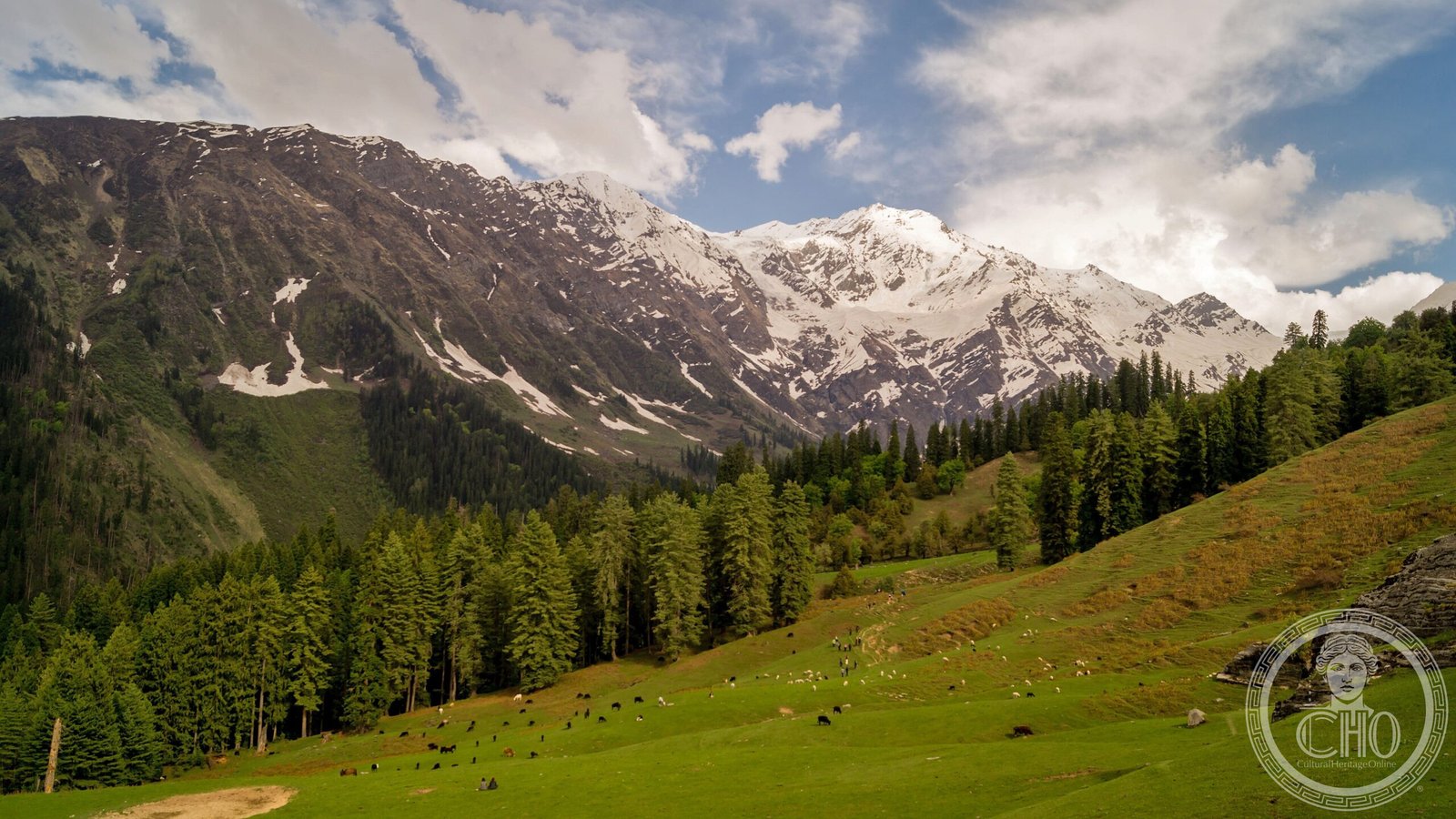
A vast mountain sanctuary spanning 1,171 square kilometres across Himachal Pradesh, protecting one of the Himalaya’s richest ecosystems and recognized by UNESCO for its outstanding biodiversity.
At a glance
The Great Himalayan National Park encompasses steep alpine terrain between 1,500 and 6,000 metres elevation. Its protected status under the Wildlife Protection Act of 1972 prohibits all hunting and enforces strict conservation guidelines. The park forms a critical refuge for species found nowhere else on Earth.
History
The park was formally established in 1984 as a designated protected area within the Banjar sub-division of Kullu district. In June 2014, it achieved UNESCO World Heritage Site designation under the criterion of “outstanding significance for biodiversity conservation”—recognition of its irreplaceable ecological value.
What you see
Visitors encounter dramatic Himalayan topography: precipitous slopes, alpine meadows, coniferous forests, and high-altitude grasslands. The landscape shifts dramatically with elevation, creating distinct ecological zones that support radically different plant and animal communities across the park’s vertical span.
Cultural significance
The park represents one of the Indian subcontinent’s most biodiverse mountain regions. Its UNESCO designation reflects global recognition of its role in protecting irreplaceable Himalayan flora and fauna. The park anchors scientific understanding of high-altitude ecosystem function and climate adaptation.
Key facts
- Country: India
- State: Himachal Pradesh
- District: Kullu
- Area: 1,171 km²
- Elevation range: 1,500–6,000 metres
- Established: 1984
- UNESCO World Heritage Site: 2014
- Coordinates: 31.73°N, 77.55°E
- Flora species: numerous (exact count unspecified)
- Fauna: 375+ species including 31 mammals, 181 birds, 3 reptiles, 9 amphibians, 11 annelids, 17 mollusks, 127 insects
Practical information & getting there
The park lies in the western Himalayas of northern India, accessible via Kullu district in Himachal Pradesh. Consult current access regulations and permit requirements before visiting, as conservation protocols may restrict entry to certain areas.
Sources & resources
Find it on the map
See this place and what’s around it →📷 Become a Cultural Heritage Online photographer
Share your photos of places: they stay published under your name as the author. The more they're seen, the more you get noticed — and soon a contest will reward the most appreciated photos.
Log in or sign up free to add a photo