
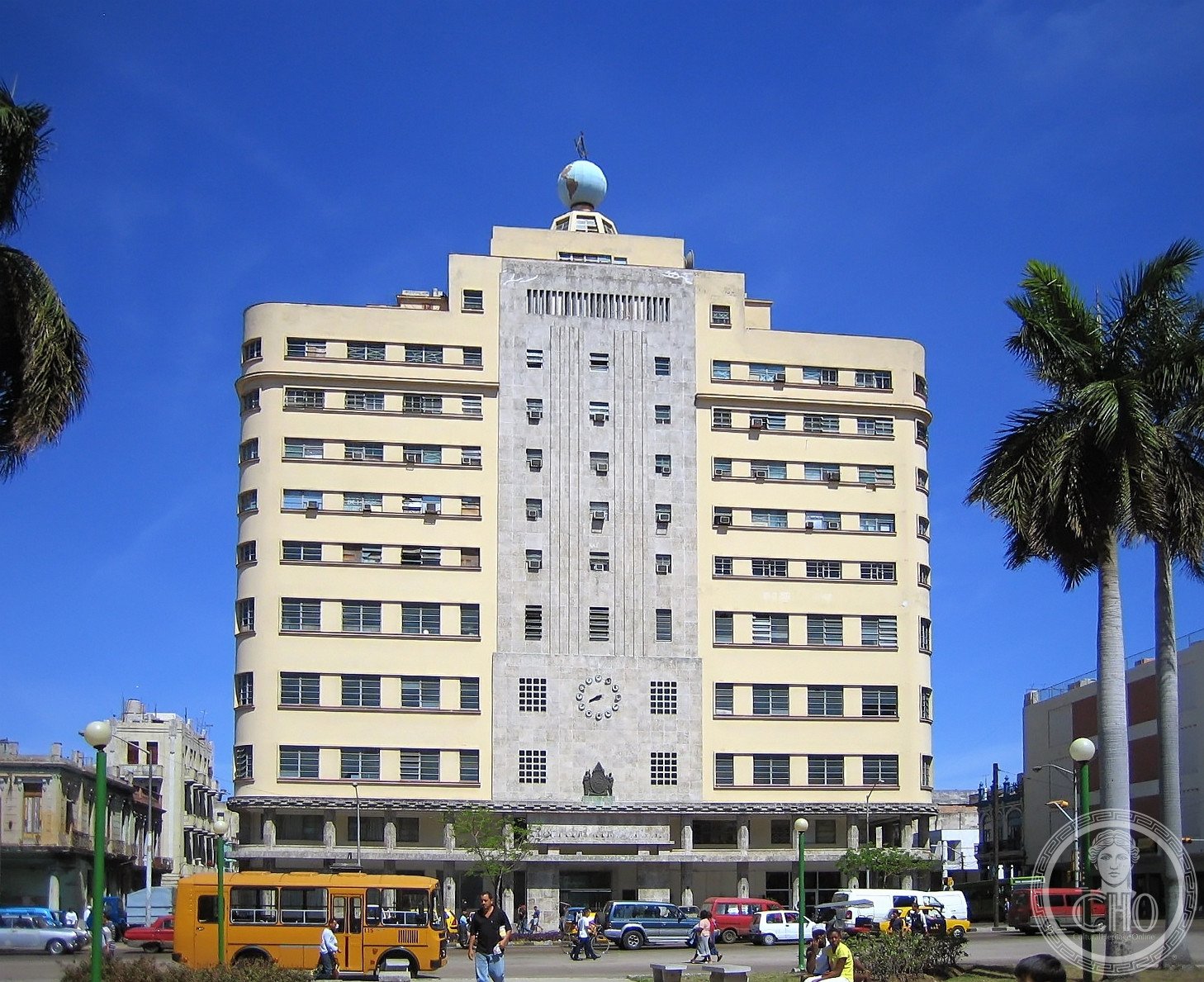
The headquarters of Cuba’s Grand Lodge of Ancient and Accepted Freemasons stands in Centro Habana, housing ceremonial temples, administrative offices, and the nation’s only museum dedicated to Masonic history and culture.
At a glance
This purpose-built Masonic center serves as the institutional heart of organized Freemasonry in Cuba. The building accommodates both ritual and governance, combining sacred space with administrative function under a single roof.
History
The temple functions as the official seat of the Grand Lodge of Cuba and the Supreme Council of the Most Respectable Grand Lodge and Supreme Council of Cuba of Ancient and Accepted Freemasons. Details of its construction and early history require further research.
What you see
The building contains two distinct Masonic temples designed for ritual work. Conference rooms and a grand conference hall provide space for meetings and deliberations. The structure houses the offices of both the Grand Master and the Grand Commander, reflecting the dual leadership of Cuba’s Masonic order.
Cultural significance
The National Masonic Temple represents the institutional presence of Freemasonry in Cuba, preserving and presenting the order’s history through the National Museum of Freemasonry. It stands as a rare purpose-built Masonic headquarters in the Caribbean region.
Key facts
- Country: Cuba
- City: Havana
- Location: Centro Habana
- Coordinates: 23.1323, -82.3701
- Contains two Masonic temples, conference rooms, grand conference hall, administrative offices, and National Museum of Freemasonry
Practical information & getting there
The temple is located in Centro Habana, Havana’s central district. Visiting hours and access policies should be confirmed before your visit, as the building serves active administrative and ceremonial functions.
Sources & resources
Find it on the map
See this place and what’s around it →📷 Become a Cultural Heritage Online photographer
Share your photos of places: they stay published under your name as the author. The more they're seen, the more you get noticed — and soon a contest will reward the most appreciated photos.
Log in or sign up free to add a photoIs this page about you?
This page is read by travellers and heritage enthusiasts who find it on Google. Tell us how you are connected to this place and we will take it from there.