

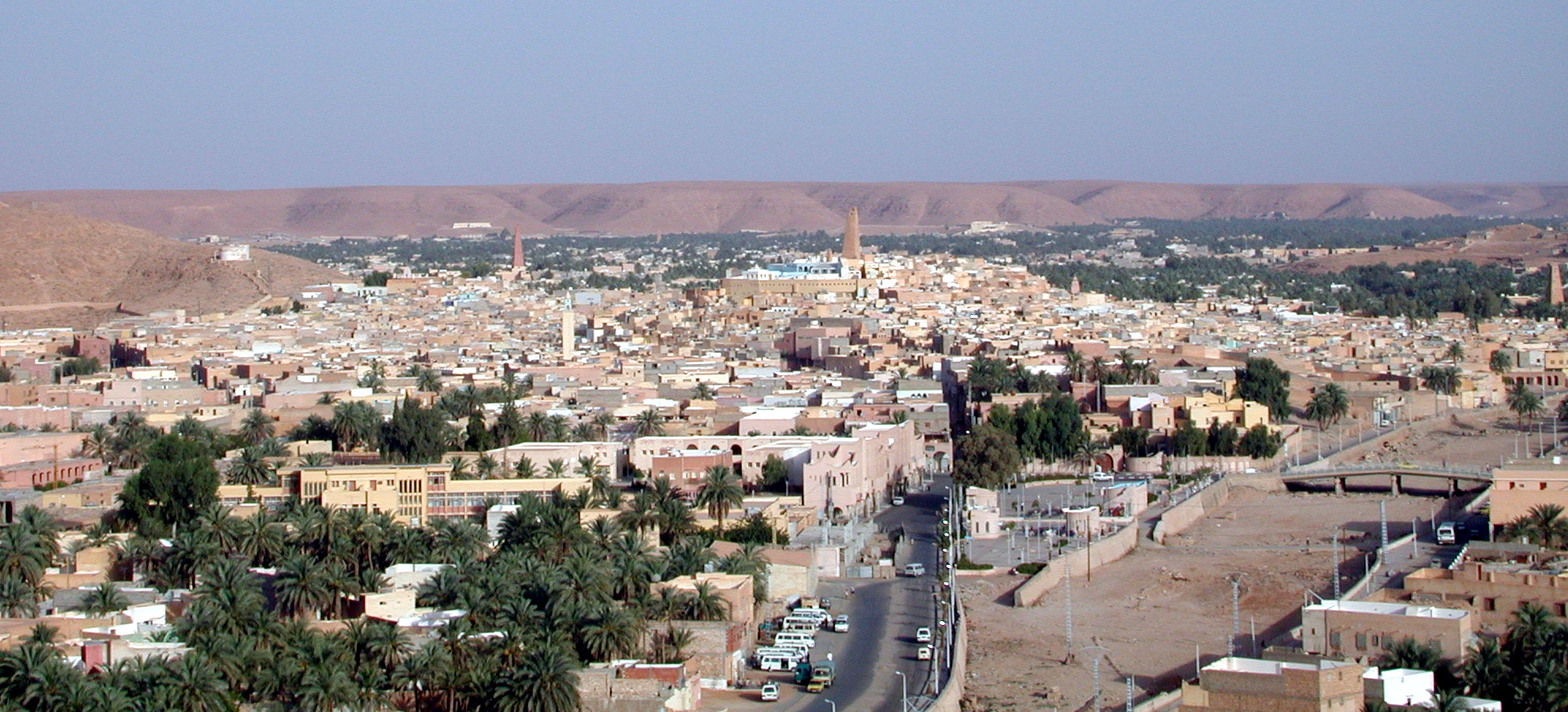
A natural region of the northern Sahara Desert, M’zab is a remarkable oasis settlement in southern Algeria whose traditional architecture and communities reflect centuries of adaptation to desert life.
At a glance
M’zab is a region of the northern Sahara located 600 kilometres south of Algiers in Ghardaïa Province. Known locally as Aghlan in Mozabite, it encompasses distinctive settlements built around oasis valleys. The region’s communities have developed unique architectural and social traditions shaped by the harsh desert environment.
History
The M’zab represents one of North Africa’s most enduring human settlements, with communities that have maintained their cultural identity and way of life across centuries. The region’s population reached approximately 360,000 inhabitants as of 2005.
What you see
The M’zab is recognised for its traditional architecture adapted to desert conditions. The settlements showcase vernacular building practices developed to maximise shade, control heat, and manage water resources—critical in an arid landscape. The design reflects both practical necessity and cultural values.
Cultural significance
M’zab holds exceptional value as a living example of sustainable settlement in one of the world’s most challenging environments. The region’s architecture and social structures represent accumulated knowledge about desert habitation and remain influential in discussions of sustainable design and cultural preservation.
Key facts
- Country: Algeria
- Location: Ghardaïa Province, 600 km south of Algiers
- Coordinates: 32.48°N, 3.68°E
- UNESCO World Heritage Site: Yes
Practical information & getting there
M’zab is accessible by road from Algiers, a journey of approximately 600 kilometres south. For current visitor information, travel requirements and opening hours, consult official tourism resources and local authorities in Ghardaïa Province.
Sources & resources
Find it on the map
See this place and what’s around it →📷 Become a Cultural Heritage Online photographer
Share your photos of places: they stay published under your name as the author. The more they're seen, the more you get noticed — and soon a contest will reward the most appreciated photos.
Log in or sign up free to add a photo