
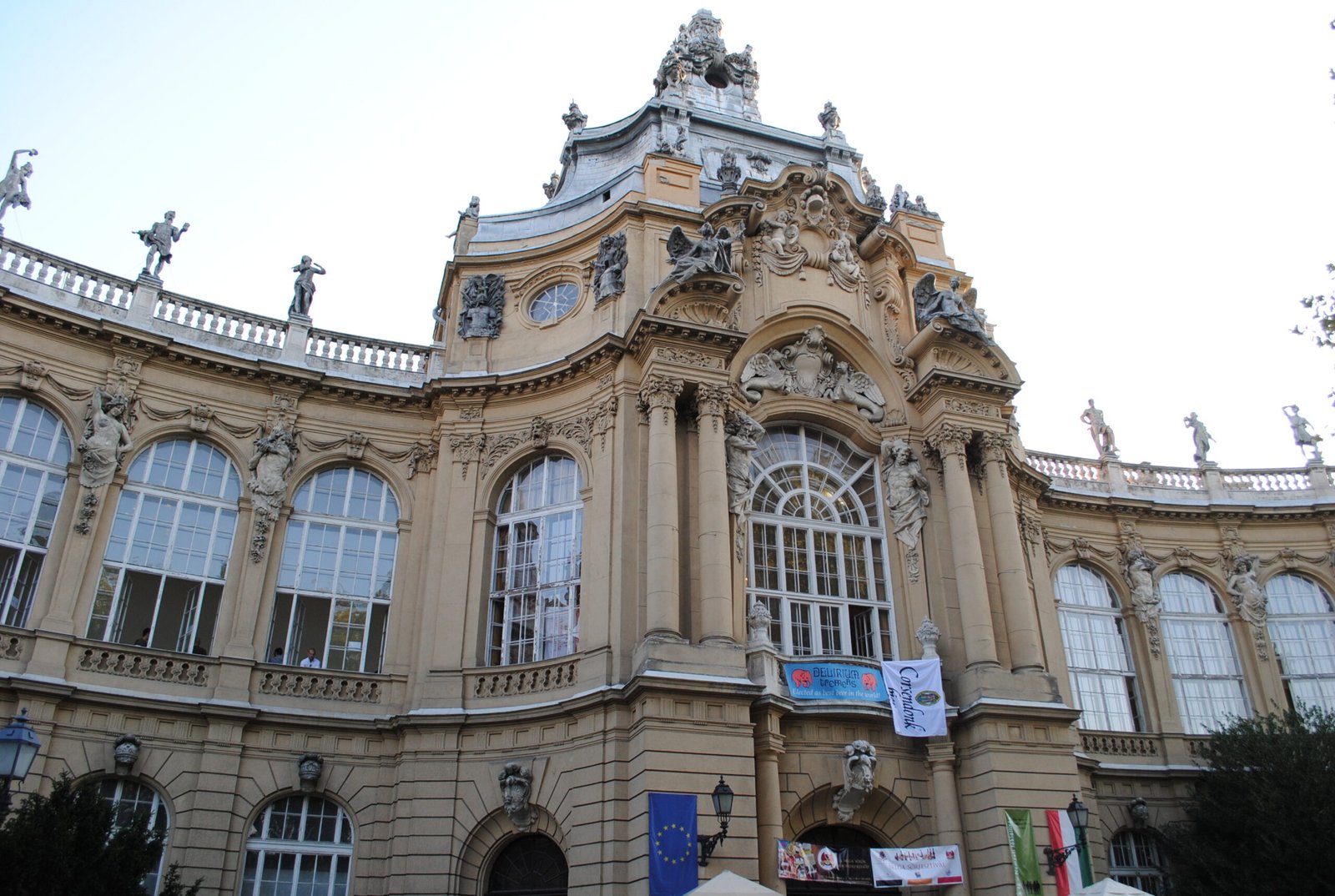
One of Europe’s most significant repositories of agricultural history, housing over 400,000 objects documenting centuries of rural life and farming practice across Hungary.
At a glance
The Museum of Hungarian Agriculture occupies Vajdahunyad Castle in Budapest’s City Park. Originally known as the Royal Hungarian Agricultural Museum until 1950, it draws hundreds of thousands of visitors annually and is probably the world’s first museum dedicated to agricultural history. The collection spans 39 specialized domains, from tools and textiles to documents and photographs.
History
Vajdahunyad Castle was erected as a temporary pavilion for Hungary’s 1896 Millennium celebrations. Public demand saved it from demolition. Structural weaknesses necessitated its complete reconstruction between 1900 and 1908 using more durable materials—a second intervention driven again by community insistence. Architect Ignác Alpár, who designed the original structure, oversaw the final plans to adapt the complex for permanent museum use. As of June 2025, the museum is planned to relocate to Gödöllő Castle by 2029.
What you see
Vajdahunyad Castle presents a romantic synthesis of Hungarian and European architectural styles within its fortress-like envelope. The castle’s permanent galleries showcase the 39 specialized collections through carefully arranged displays of agricultural implements, clothing, furniture, and archival materials that illustrate the material conditions and practices of Hungarian rural communities across generations.
Cultural significance
The museum stands as the richest public collection of Hungarian rural life and culture. Its comprehensive agricultural holdings document not merely farming techniques but the broader social, economic, and domestic dimensions of peasant and farming communities. The institution has long served scholarly research, publishing specialized literature and operating a significant research library with approximately 250,000 volumes and 180,000 periodicals—the most substantial collection of agricultural historical literature in Hungary.
Key facts
- Country: Hungary
- City: Budapest (14th district, City Park)
- Coordinates: 47.515, 19.083055555556
- Collection size: Over 400,000 objects and documents (as of 2016)
- Library holdings: Approximately 450,000 inventory items including 250,000 volumes and 180,000 periodicals
- UNESCO status: Not specified in available sources
Practical information & getting there
The museum is located in City Park (Városliget) in Budapest’s 14th district, accessible by public transport. It participates in special cultural events including the Night of Museums and Researchers’ Night. A research service is available for those wishing to study objects and documents in depth. For current hours, admission prices, and accessibility information, consult the museum’s official website or contact them directly before planning your visit.
Sources & resources
Find it on the map
See this place and what’s around it →📷 Become a Cultural Heritage Online photographer
Share your photos of places: they stay published under your name as the author. The more they're seen, the more you get noticed — and soon a contest will reward the most appreciated photos.
Log in or sign up free to add a photoIs this page about you?
This page is read by travellers and heritage enthusiasts who find it on Google. Tell us how you are connected to this place and we will take it from there.