
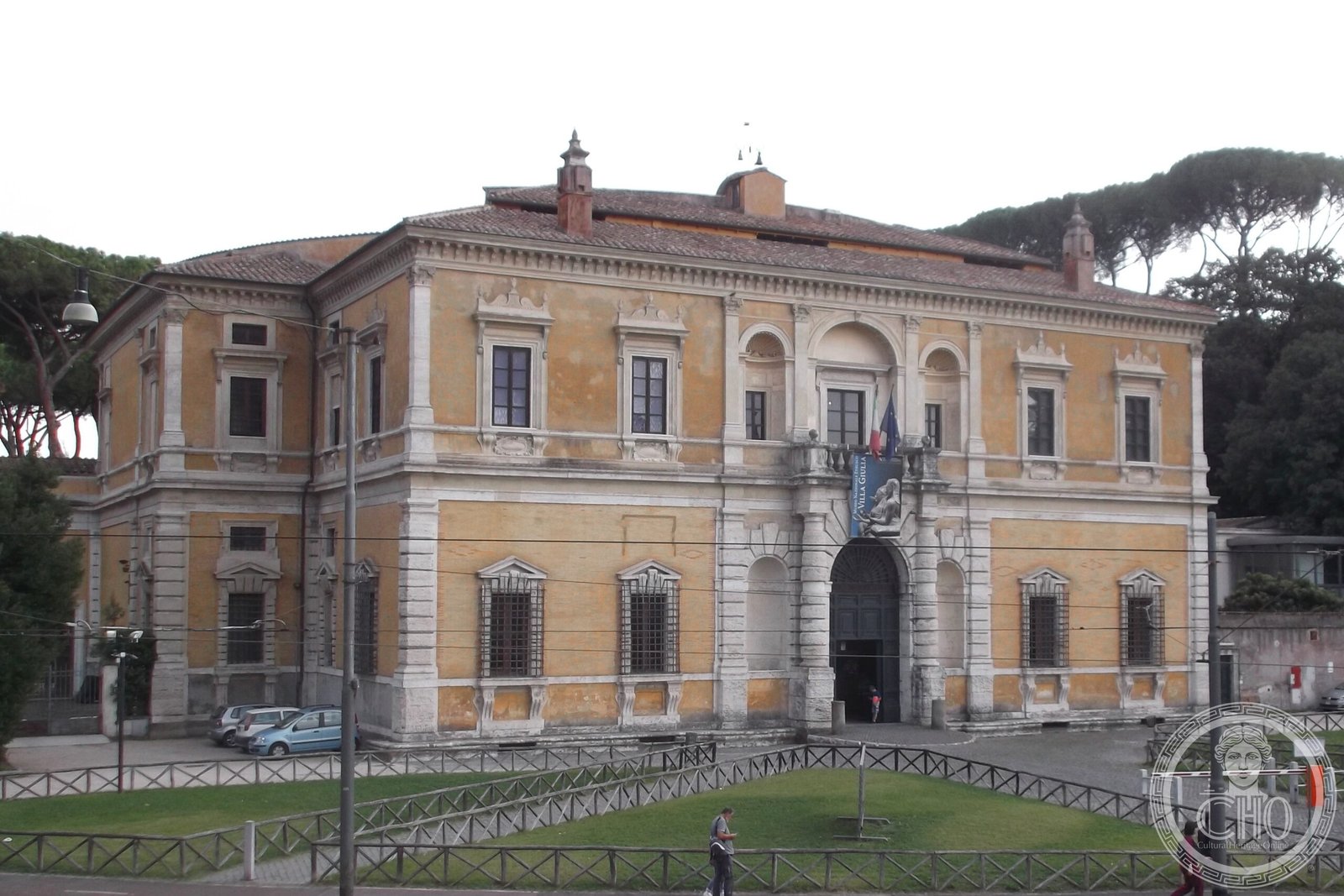
One of Europe’s finest collections of Etruscan and Faliscan artifacts, housed in the Renaissance Villa Giulia since the early twentieth century.
At a glance
The National Etruscan Museum occupies Villa Giulia, a sixteenth-century palace in northern Rome. Its collections represent the material culture of two ancient Italic civilizations that flourished before Roman dominance. The museum has served as the primary repository for Etruscan and Faliscan objects since the 1900s.
History
Villa Giulia was built as a papal retreat during the Renaissance. The decision to house the Etruscan collection here at the beginning of the twentieth century established the museum as a major institutional presence in Rome. Since December 2014, the museum has operated as part of the Lazio regional museum system under MIBACT (the Italian Ministry of Culture).
What you see
The villa itself exemplifies Renaissance design, providing an elegant setting for the display of ancient materials. Visitors encounter terracotta vessels, bronzes, sculptures, and decorative objects that illuminate daily life, religious practices, and artistic sophistication of Etruscan and Faliscan societies. The architectural context enhances the interpretive experience of these archaeological finds.
Cultural significance
The Etruscan civilization predates Rome and profoundly influenced its development. This museum preserves essential evidence of a culture that shaped Italian history through religious practice, urban organization, and artistic innovation. The Faliscan materials demonstrate the broader cultural networks of pre-Roman central Italy.
Key facts
- Address: Piazzale di Villa Giulia 9, 00196 Rome
- Coordinates: 41.9179742339707, 12.478532195091248
- Phone: 06 3226571
- Website: villagiulia.beniculturali.it
- Opening hours: 9:00–20:00 (ticket office closes 19:00; room closures begin 19:15, complete by 19:30)
Practical information
The museum is open daily from 9:00 to 20:00. The ticket office closes at 19:00; plan your visit accordingly. Admission fees are not listed here; consult the official website for current prices and any temporary closures.
Getting there
The museum is located in the Flaminio district of northern Rome. Public transport connections and parking options are available; check the official website or contact the museum directly for detailed directions and accessibility information.
Sources & resources
Find it on the map
See this place and what’s around it →Historical events at this place (5)
📷 Become a Cultural Heritage Online photographer
Share your photos of places: they stay published under your name as the author. The more they're seen, the more you get noticed — and soon a contest will reward the most appreciated photos.
Log in or sign up free to add a photoIs this page about you?
This page is read by travellers and heritage enthusiasts who find it on Google. Tell us how you are connected to this place and we will take it from there.