
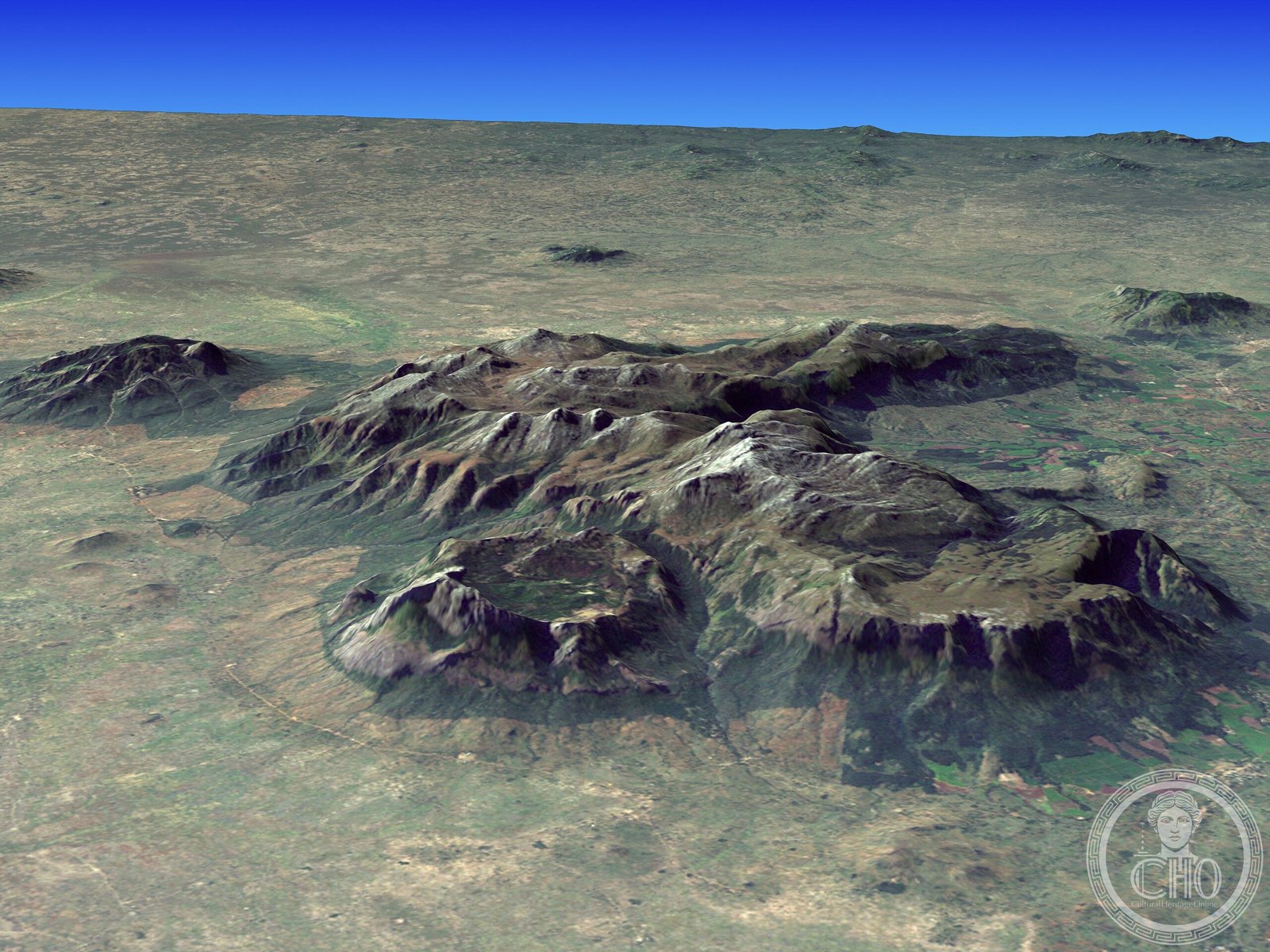
A dramatic inselberg rising abruptly from the plains of southern Malawi, Mulanje Massif dominates the landscape with Sapitwa Peak—the nation’s highest summit at 3,002 metres.
At a glance
Mulanje Massif is a vast elevated landform situated 65 kilometres east of Blantyre, where the surrounding plains of Phalombe and Mulanje district meet its sheer slopes. The massif is recognized as a UNESCO World Heritage Site and forms part of the proposed South East Africa Montane Archipelago ecoregion.
History
The Mulanje Massif has shaped human settlement and livelihoods in the region for centuries. Its ecological and geographical significance has ensured recognition as a protected landscape of international importance.
What you see
The massif presents a geological marvel: an inselberg of exceptional scale and relief. Sapitwa Peak commands views across southern Malawi and into neighbouring regions. The surrounding plateaus, valleys, and highland terrain reveal the complex geology and distinct ecology of this montane system.
Cultural significance
As Malawi’s highest point, Sapitwa Peak holds symbolic importance for the nation. The massif’s designation as a World Heritage Site reflects its outstanding universal value—both as a geological formation and as a biodiversity hotspot within the broader South East Africa Montane Archipelago.
Key facts
- Country: Malawi
- Highest peak: Sapitwa Peak, 3,002 m (highest point in Malawi)
- Location: 65 km east of Blantyre; Mulanje district
- Coordinates: −15.95°, 35.59°
- UNESCO World Heritage Site: Yes
Practical information & getting there
Mulanje Massif is accessible from Blantyre, the major city 65 kilometres to the west. Multiple trails traverse the plateaus and approach Sapitwa Peak. Visitor facilities and accommodation options are available in the Mulanje district. Check local conditions and regulations before visiting.
Sources & resources
Find it on the map
See this place and what’s around it →📷 Become a Cultural Heritage Online photographer
Share your photos of places: they stay published under your name as the author. The more they're seen, the more you get noticed — and soon a contest will reward the most appreciated photos.
Log in or sign up free to add a photo