
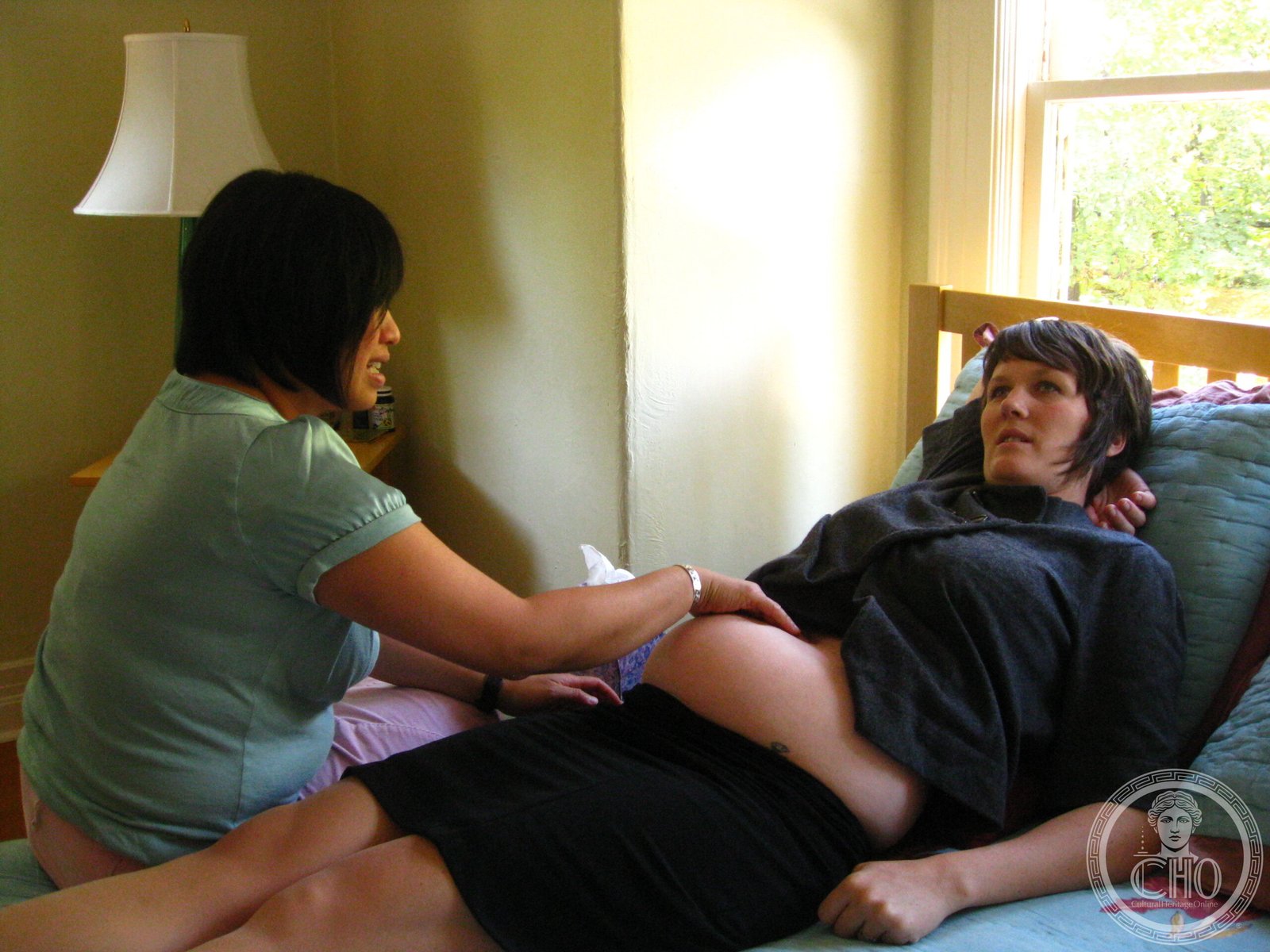
In Berlin and across Germany, midwifery represents a distinct health profession rooted in independent, specialized education. Midwives provide continuity of care throughout pregnancy, childbirth, and the postpartum period—a model increasingly recognized for its safety and patient-centered outcomes.
At a glance
Midwifery is both a health science and a professional practice dedicated to supporting women through pregnancy, childbirth, postpartum recovery, and reproductive health across the lifespan. In Germany, midwives undergo specialized training independent of general medical education, establishing midwifery as its own autonomous profession. The work encompasses not only attending births but also providing comprehensive reproductive and sexual health guidance.
Origins and history
Midwifery’s roots extend deep into human history, with trained attendants assisting women in childbirth across cultures for millennia. Germany formalized midwifery as a regulated profession with its own educational pathway, distinguishing it from medical specialization. This recognition reflects both historical practice and modern clinical evidence supporting midwife-led care.
The tradition today
Contemporary German midwives practice within a system emphasizing continuity of care—following individual women and families from early pregnancy through the newborn period. A 2015 Cochrane review found that midwifery-led models reduce unnecessary interventions: fewer epidurals, fewer episiotomies, and fewer instrumental births. The review noted a decreased risk of pregnancy loss before 24 weeks, though labor duration may extend. Berlin’s midwives work in hospitals, birthing centers, and private practice, offering women genuine choice in their birth experience.
Cultural significance
Midwifery embodies a philosophy centered on women’s agency and physiological birth processes. Its recognition as intangible cultural heritage underscores how knowledge systems—transmitted through professional training, apprenticeship, and lived experience—constitute living culture. The practice affirms that reproductive care, when woman-centered and evidence-informed, honors both safety and dignity.
Key facts
- Country: Germany
- Anchor community: Berlin
- UNESCO Intangible Cultural Heritage: Midwifery: knowledge, skills and practices (Representative List)
- Professional status: Independent health profession with specialized, autonomous education
- Scope: Pregnancy care, childbirth attendance, postpartum support, newborn care, and reproductive health guidance
Where to experience it
In Berlin, you can access midwifery care through public hospitals, independent birthing centers, and registered private midwives. Many offer prenatal courses, birth preparation, and postpartum home visits. Contact Germany’s midwifery professional organizations or your local health insurance provider to connect with midwives in your area.
Sources & resources
Find it on the map
See this place and what’s around it →📷 Become a Cultural Heritage Online photographer
Share your photos of places: they stay published under your name as the author. The more they're seen, the more you get noticed — and soon a contest will reward the most appreciated photos.
Log in or sign up free to add a photo