
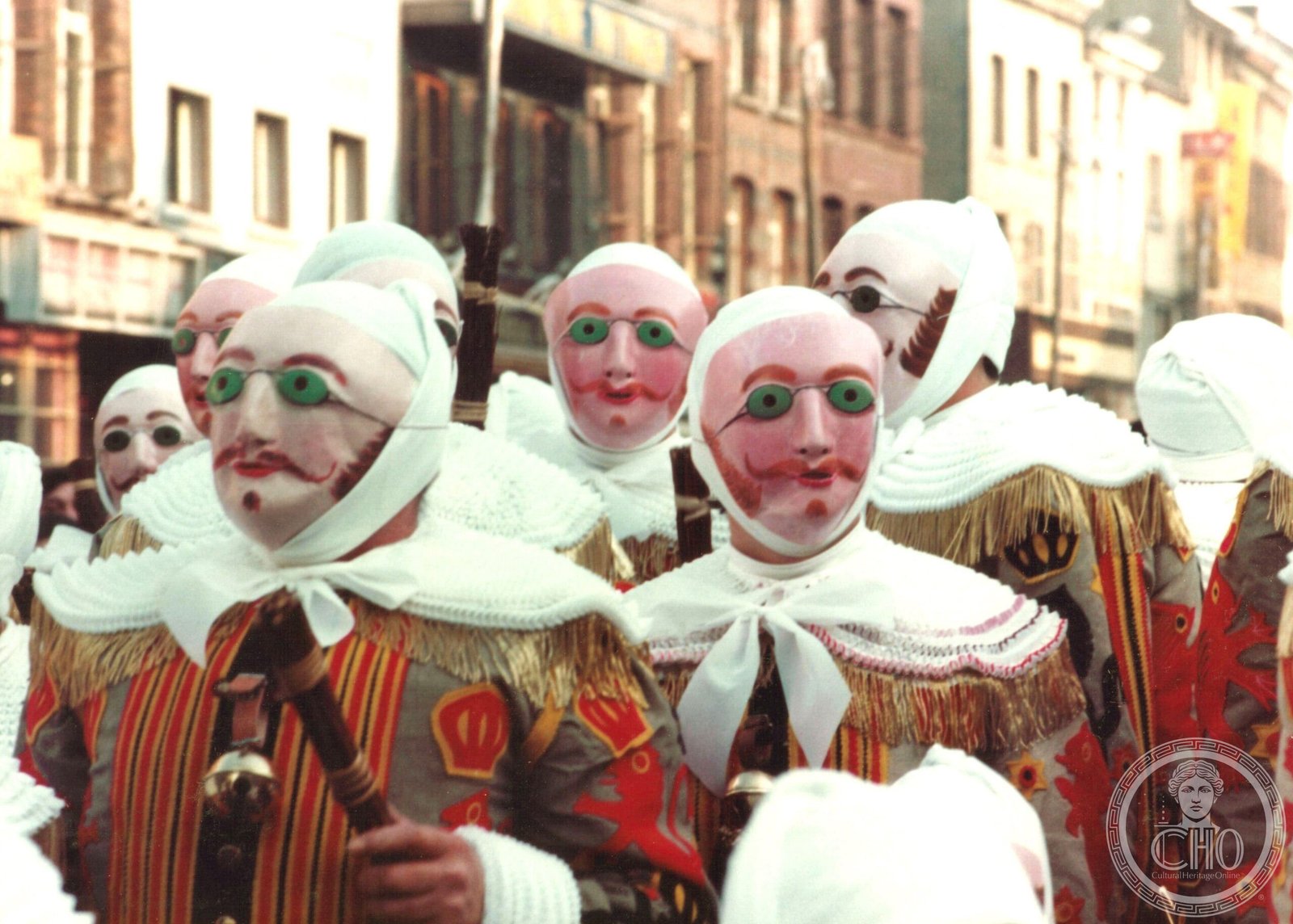
Each spring, the small Belgian town of Binche erupts in three days of elaborate masquerade. Performers dressed as Gilles—resplendent in red, black, and yellow—process through streets tossing oranges to jubilant crowds, enacting a carnival tradition that stretches back to the medieval period.
At a glance
The Carnival of Binche is an annual celebration held during the three days before Ash Wednesday: Sunday, Monday, and Tuesday. It draws crowds to the Hainaut region of southern Belgium to witness one of Wallonia’s most distinctive folk festivals. The event is defined by the iconic Gilles—masked revelers who perform the carnival’s central ritual.
Origins and history
The carnival’s roots reach back approximately to the 14th century, making it one of Europe’s oldest continuous masquerade traditions. Over centuries, it evolved into the elaborate spectacle recognized today. Among several carnivals that occur simultaneously across Wallonia, Binche’s has become the most celebrated, earning international recognition for its distinctive character and ceremonial depth.
The tradition today
The modern carnival centers on the figure of the Gilles, performers who don striking costumes in Belgium’s national colors: red, black, and yellow. Their role extends beyond mere pageantry—they are the embodiment of the festival’s ritual purpose. As these costumed figures parade through Binche’s streets, they engage the crowd in the carnival’s central act: the throwing of oranges. This exchange between performer and spectator remains the festival’s most memorable feature.
Cultural significance
The carnival represents far more than seasonal festivity. It embodies centuries of community identity, collective memory, and ceremonial practice that have been passed down through generations. The tradition reinforces social bonds and marks the liturgical calendar in a distinctly Walloon way. Its recognition as a UNESCO Masterpiece validates what Binche residents have long known: that this carnival is a irreplaceable expression of European folk culture.
Key facts
- Country: Belgium
- Anchor community: Binche, Hainaut
- Timing: Sunday, Monday, and Tuesday before Ash Wednesday
- UNESCO Intangible Cultural Heritage (Representative List): recognized as a Masterpiece of the Oral and Intangible Heritage of Humanity since 2003
- Also recognized as intangible heritage of the French Community of Belgium
Where to experience it
The Carnival of Binche takes place in the town center during the three days preceding Ash Wednesday each year. You can witness the Gilles processions and orange-throwing traditions by joining the crowds lining Binche’s streets during this period. Check local tourism information for current dates and specific event schedules.
Sources & resources
Find it on the map
See this place and what’s around it →📷 Become a Cultural Heritage Online photographer
Share your photos of places: they stay published under your name as the author. The more they're seen, the more you get noticed — and soon a contest will reward the most appreciated photos.
Log in or sign up free to add a photo