
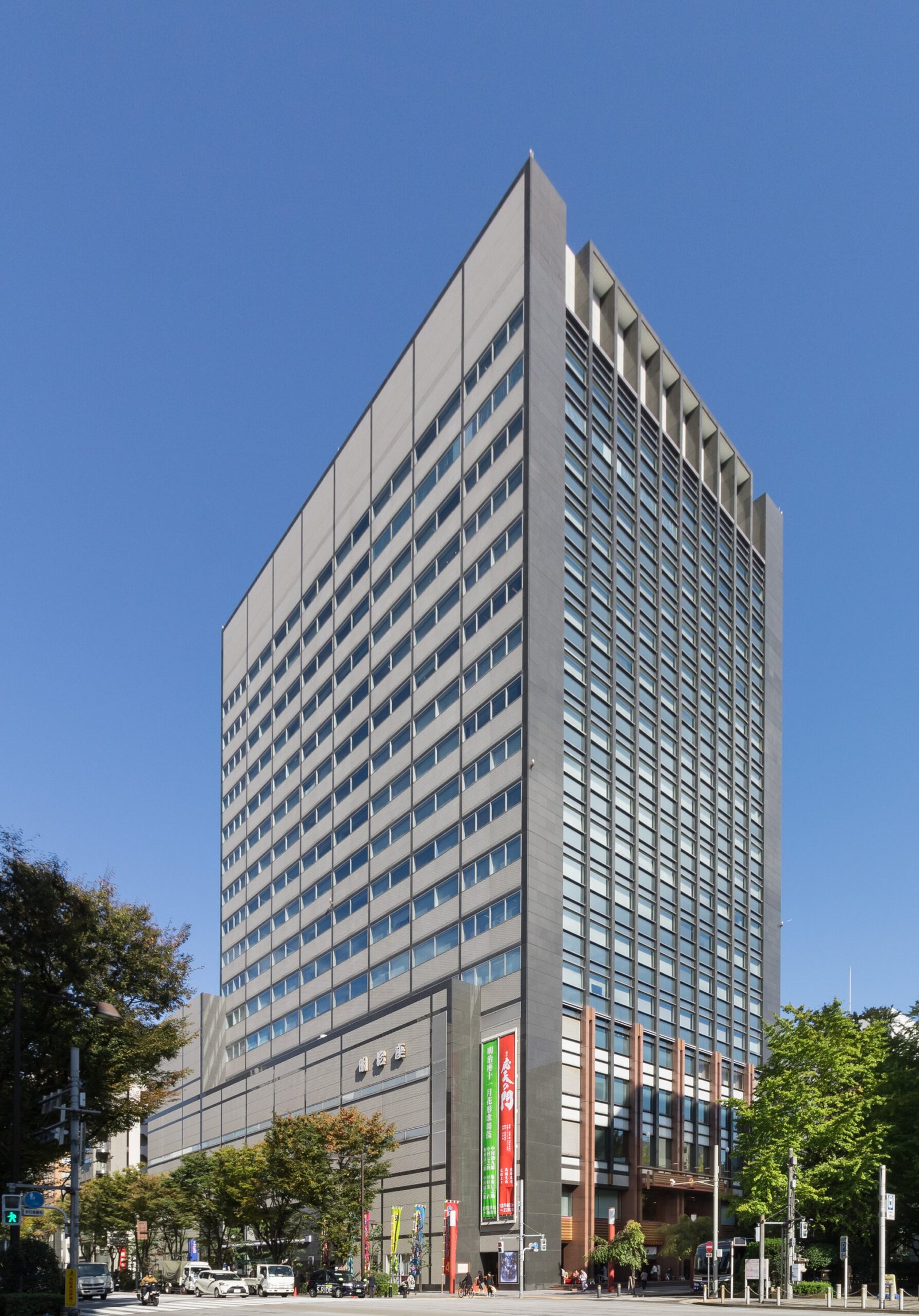
Tokyo’s venerable theatre, where kabuki and Western drama have shared the stage for over 150 years.
At a glance
The Meiji-za stands in Chūō ward as one of Tokyo’s oldest continuously operating theatres. Built in 1873, it has evolved from a venue devoted primarily to kabuki into a dual-purpose house presenting both classical Japanese theatre and contemporary Western plays.
History
Constructed in 1873, the Meiji-za emerged during Japan’s rapid modernization. The theatre’s founding coincided with the Meiji era’s cultural ferment, when traditional and Western artistic forms began to coexist and influence one another in urban centres like Tokyo.
What you see
The theatre retains the character of a longstanding Tokyo entertainment venue. Its intimate scale and traditional theatrical design reflect the tastes of late-Edo and Meiji-period audiences, though the building has been adapted to accommodate both kabuki’s formal staging requirements and the technical demands of modern Western theatre productions.
Cultural significance
The Meiji-za embodies a pivotal moment in Japanese theatre history—the moment when kabuki, Japan’s classical dramatic form, began to share space with imported Western theatrical traditions. Its longevity speaks to the resilience of live performance in Tokyo and the enduring appeal of both traditions.
Key facts
- Location: Chūō, Tokyo, Japan
- Founded: 1873
- Coordinates: 35.687967, 139.78688
- Programming: Kabuki and Western stage plays
Practical information & getting there
The Meiji-za is located in central Tokyo’s Chūō ward. For current performance schedules, ticket information, and directions, consult the theatre’s official listings or contact the venue directly.
Sources & resources
Find it on the map
See this place and what’s around it →📷 Become a Cultural Heritage Online photographer
Share your photos of places: they stay published under your name as the author. The more they're seen, the more you get noticed — and soon a contest will reward the most appreciated photos.
Log in or sign up free to add a photoIs this page about you?
This page is read by travellers and heritage enthusiasts who find it on Google. Tell us how you are connected to this place and we will take it from there.