

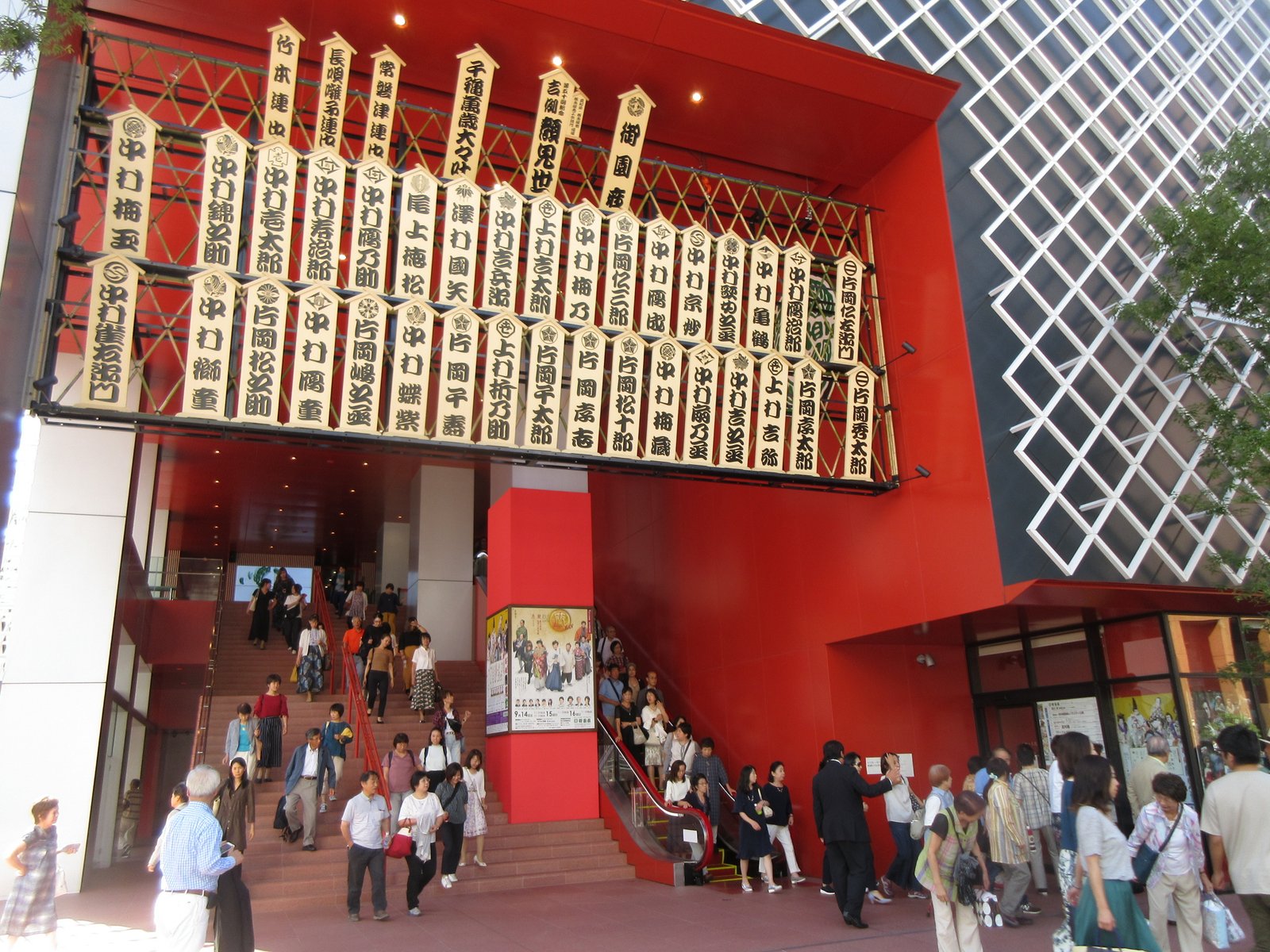
A historic theatre in central Nagoya that has presented both traditional kabuki and Western stage plays since its construction in the early 1800s.
At a glance
Misono-za stands as one of Nagoya’s oldest cultural institutions. Built during the early nineteenth century, the theatre reflects Japan’s dual theatrical heritage—maintaining its commitment to kabuki performance while embracing Western dramatic traditions.
History
The theatre was originally constructed in the 1800s during a period of growing cultural sophistication in Nagoya. Its foundation marked the establishment of a venue devoted to both Japan’s classical performing arts and newer Western theatrical forms. The theatre has maintained its dual programming identity across generations.
Cultural significance
Misono-za represents an important meeting point between tradition and innovation in Japanese theatre. Its commitment to presenting both kabuki—Japan’s classical dramatic form—and Western plays demonstrates how the nation negotiated cultural change during the modern era. The theatre remains an active cultural venue within Nagoya’s artistic landscape.
Key facts
- Country: Japan
- City: Nagoya
- Constructed: 1800s
- Coordinates: 35.16731111, 136.89693056
- Programming: Kabuki and Western stage plays
Practical information & getting there
Misono-za is located in central Nagoya. For current performance schedules, visiting hours, and ticket information, contact the theatre directly or visit its official website.
Sources & resources
Find it on the map
See this place and what’s around it →📷 Become a Cultural Heritage Online photographer
Share your photos of places: they stay published under your name as the author. The more they're seen, the more you get noticed — and soon a contest will reward the most appreciated photos.
Log in or sign up free to add a photoIs this page about you?
This page is read by travellers and heritage enthusiasts who find it on Google. Tell us how you are connected to this place and we will take it from there.