
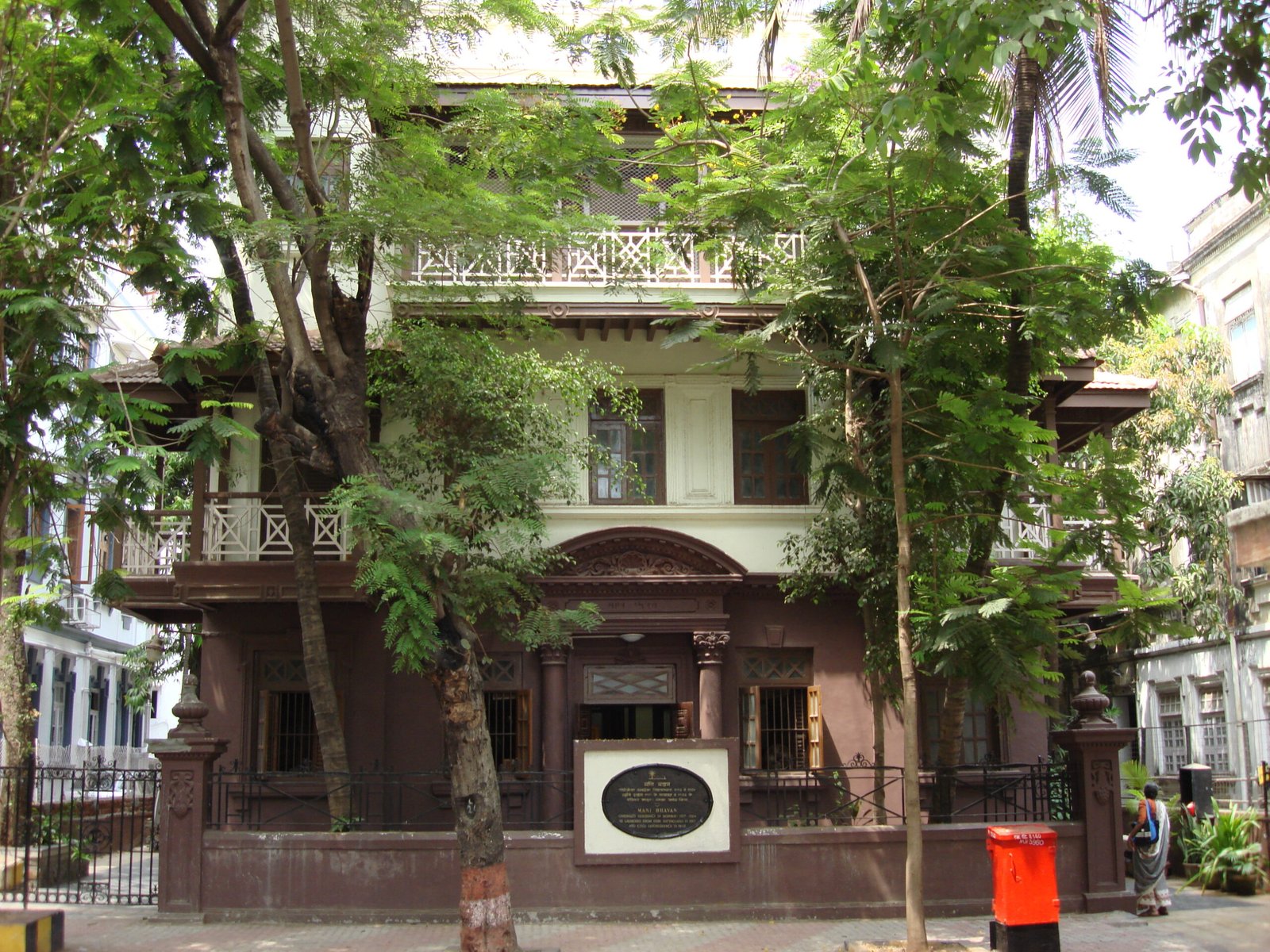
A modest residence transformed into a museum, Mani Bhavan stands as a testament to Gandhi’s organizing years in Mumbai. From 1917 to 1934, this house on Laburnum Road served as the epicenter of his political mobilization in the city.
At a glance
Mani Bhavan—literally “Jewel House”—occupies a significant place in India’s independence movement. The building preserves the spaces where Gandhi orchestrated campaigns, met with colleagues, and developed strategies that would reshape the nation.
History
Between 1917 and 1934, Mani Bhavan became the headquarters of Gandhi’s Mumbai activism. During these formative years, the residence hosted crucial political meetings and served as a nerve center for grassroots organizing. The building’s role in this period connects directly to India’s broader struggle for self-determination.
What you see
The structure reflects early 20th-century domestic architecture of Mumbai’s middle-class neighborhoods. Its design is straightforward and functional—deliberately so, embodying Gandhi’s principles of simplicity. Visitors encounter period furnishings and personal artifacts that illuminate daily life during India’s independence era.
Cultural significance
Mani Bhavan documents a pivotal chapter in modern Indian history. The house preserves evidence of Gandhi’s political evolution and his relationship with Mumbai’s intellectual and activist communities. Its conservation honors the intellectual labor that preceded independence.
Key facts
- Location: Laburnum Road, Gamdevi precinct, Mumbai, India
- Coordinates: 18.95993, 72.81137
- Period of significance: 1917–1934
- Type: Museum and historical building
Practical information & getting there
Mani Bhavan operates as a public museum in central Mumbai. The site is accessible by local transport and welcomes visitors interested in Gandhi’s life and India’s independence movement. For current hours and admission details, contact the museum directly.
Sources & resources
Find it on the map
See this place and what’s around it →📷 Become a Cultural Heritage Online photographer
Share your photos of places: they stay published under your name as the author. The more they're seen, the more you get noticed — and soon a contest will reward the most appreciated photos.
Log in or sign up free to add a photoIs this page about you?
This page is read by travellers and heritage enthusiasts who find it on Google. Tell us how you are connected to this place and we will take it from there.