
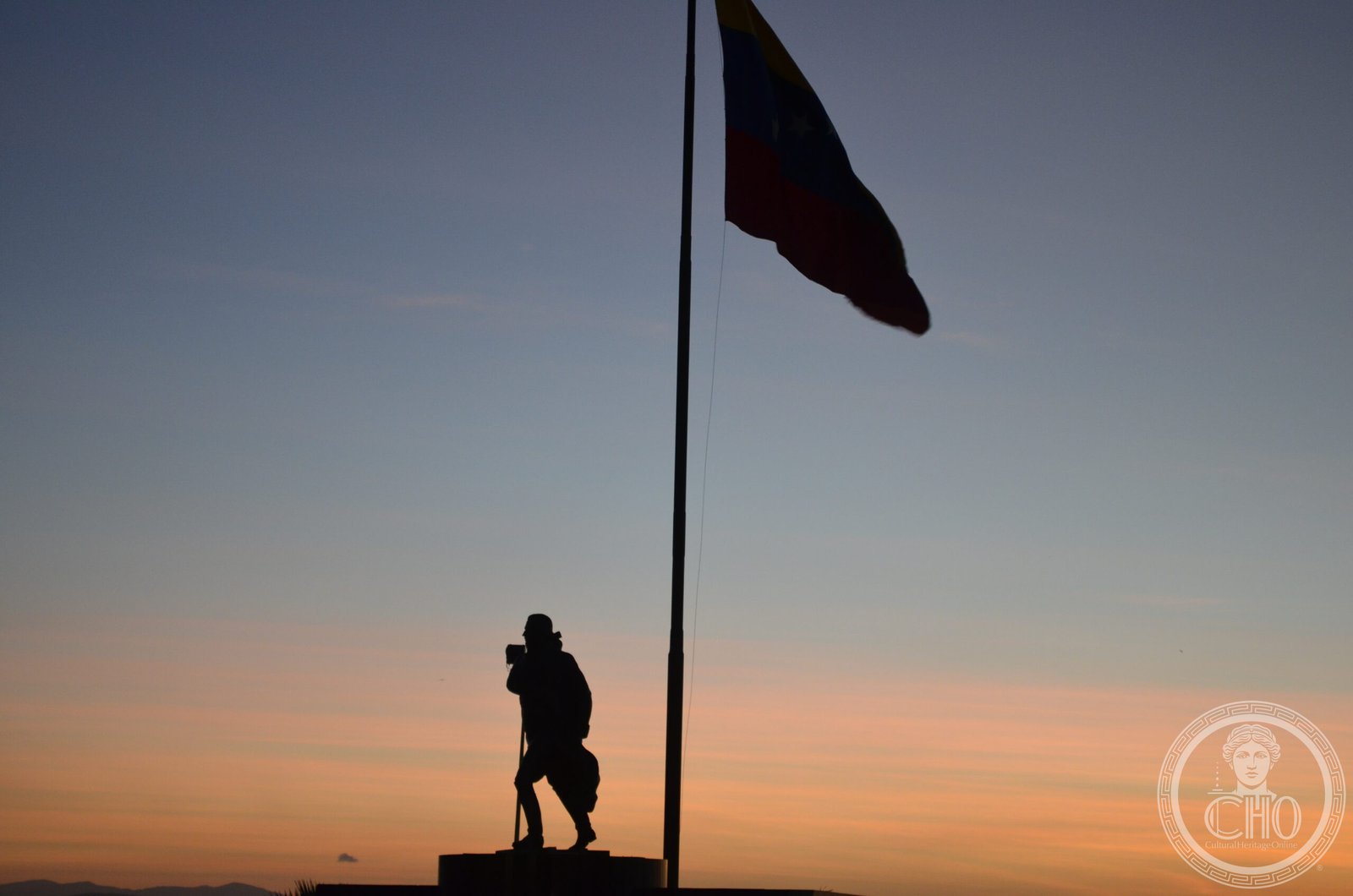
The historic port of Coro, La Vela de Coro blends Spanish Colonial architecture with Dutch Caribbean influences, creating a distinctive streetscape shaped by centuries of Atlantic trade and cultural exchange.
At a glance
La Vela de Coro is the port settlement adjoining Coro, forming a twin urban complex on Venezuela’s northwestern coast. Though administratively separate—Coro lies in Miranda municipality while La Vela occupies Colina—the two settlements function as a single conurbation. Both are protected as a UNESCO World Heritage Site since 1993.
History
Spanish settlers founded Coro and La Vela de Coro in the 16th century. The port’s strategic position on Caribbean trade routes exposed it to maritime commerce and cultural contact beyond Spain’s dominion. Proximity to Dutch Caribbean colonies left an indelible mark on local building practices and urban character, distinguishing the settlements from other Spanish American cities of the era.
What you see
Both settlements preserve notable colonial architecture. The built environment displays the layered aesthetic typical of multicultural ports: Spanish Colonial forms coexist with Dutch design elements in facades, window treatments, and street plans. These hybrid characteristics reflect centuries of interaction between European powers competing for Caribbean influence and trade advantage.
Cultural significance
La Vela de Coro and Coro together represent a rare architectural record of cultural synthesis in the Spanish American colonial world. The Dutch influence distinguishes these settlements from other Venezuelan heritage sites, documenting the complex geopolitical history of the Caribbean and the imprint of northern European commerce on Spanish imperial territories.
Key facts
- Country: Venezuela
- Coordinates: 11.47°N, 69.57°W
- Founded: 16th century
- UNESCO World Heritage Site: 1993
- Associated settlement: Coro
Practical information & getting there
La Vela de Coro is located in Colina municipality, adjacent to the city of Coro. The twin settlements are accessible by road from Venezuela’s northwestern region. Specific hours of access and visitor facilities are best confirmed with local tourism authorities or the municipal government.
Sources & resources
Find it on the map
See this place and what’s around it →📷 Become a Cultural Heritage Online photographer
Share your photos of places: they stay published under your name as the author. The more they're seen, the more you get noticed — and soon a contest will reward the most appreciated photos.
Log in or sign up free to add a photoIs this page about you?
This page is read by travellers and heritage enthusiasts who find it on Google. Tell us how you are connected to this place and we will take it from there.