
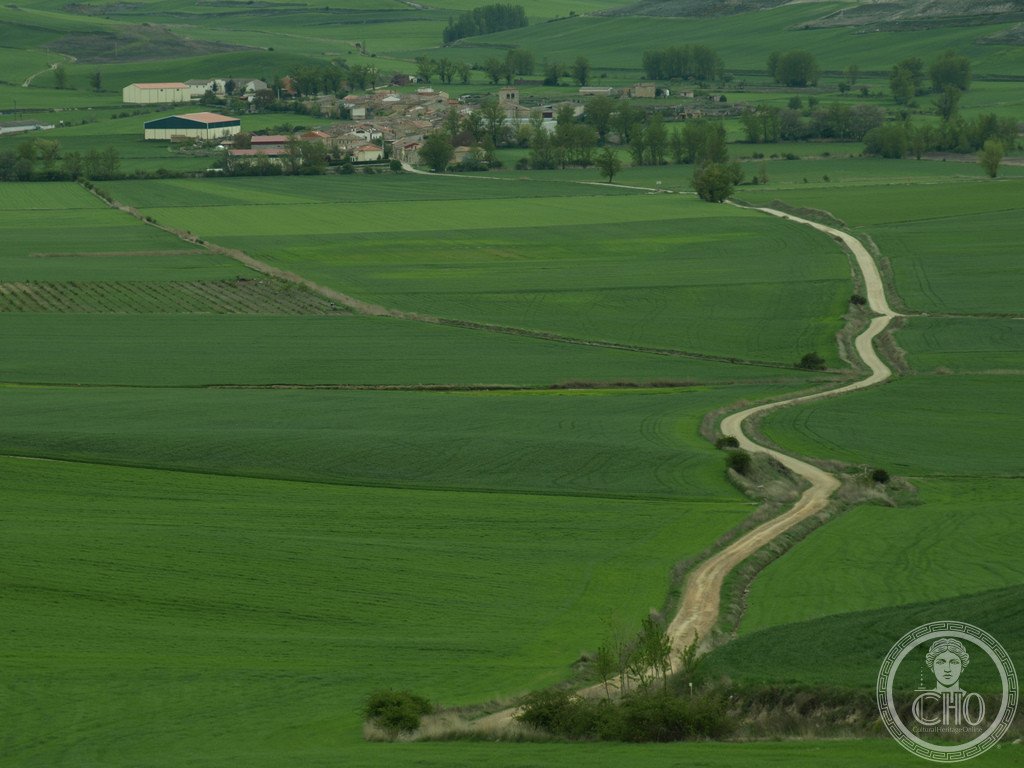
A small municipality in Castile and León that marks a significant waypoint along the French Way, the primary route of the Camino de Santiago pilgrimage.
At a glance
Hornillos del Camino sits in the province of Burgos, in the autonomous community of Castile and León. The municipality is defined by its position on one of Europe’s most storied pilgrimage paths. Today it is a quiet village of around 70 inhabitants, yet it welcomes thousands of modern pilgrims annually.
History
The settlement grew along the French Way, the most traveled route of the Way of St. James. This medieval pilgrimage network connected northern Europe to the shrine of the Apostle James at Santiago de Compostela in Galicia. Hornillos del Camino emerged as a waypoint where pilgrims could rest, resupply, and seek shelter during their months-long journeys across the Iberian Peninsula.
What you see
The village retains the modest architecture typical of Camino settlements—simple houses and a small parish church serving the local community and passing pilgrims. Like many settlements along the route, the built environment reflects centuries of incremental adaptation to pilgrims’ needs.
Cultural significance
Hornillos del Camino embodies the living heritage of the Camino de Santiago. The French Way remains the most popular of all the routes to Santiago de Compostela, and this municipality represents the everyday infrastructure that sustained one of medieval Christianity’s greatest spiritual undertakings. It continues to serve modern pilgrims retracing ancient paths.
Key facts
- Country: Spain
- Region: Castile and León, Burgos province
- Coordinates: 42.33°N, 3.92°W
- Population: approximately 70 (2004 census)
- On the French Way of the Camino de Santiago
Practical information & getting there
Hornillos del Camino is accessible to pilgrims on foot as part of the multi-week Camino journey. The village lies on the established trail between León and Santiago de Compostela. For detailed route information and current pilgrim services, consult dedicated Camino guidebooks and resources.
Sources & resources
Find it on the map
See this place and what’s around it →📷 Become a Cultural Heritage Online photographer
Share your photos of places: they stay published under your name as the author. The more they're seen, the more you get noticed — and soon a contest will reward the most appreciated photos.
Log in or sign up free to add a photoIs this page about you?
This page is read by travellers and heritage enthusiasts who find it on Google. Tell us how you are connected to this place and we will take it from there.