

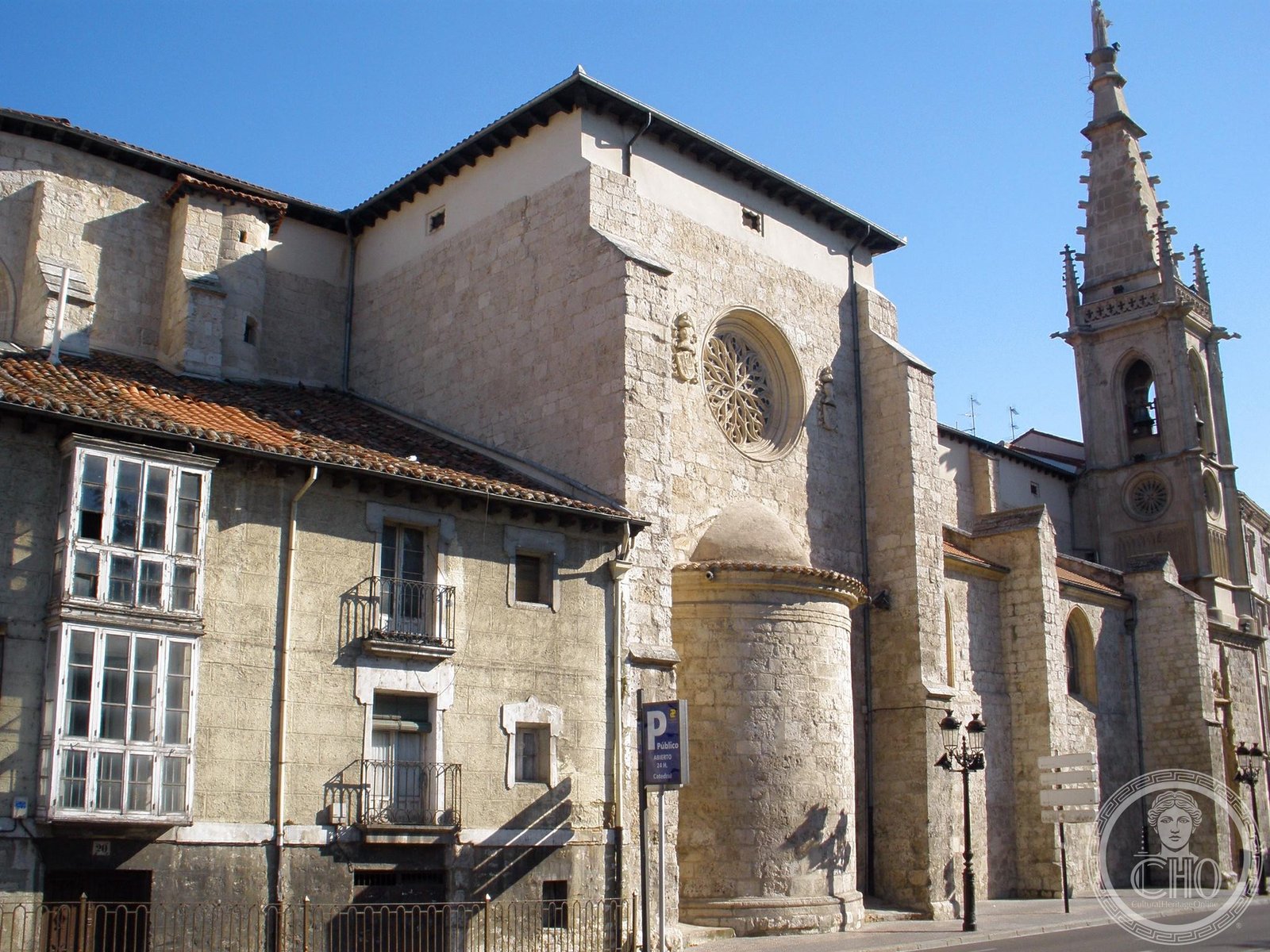
A Gothic parish church in Burgos begun in 1498, La Merced represents the architectural ambitions of late medieval Spain and remains in active use today.
At a glance
Iglesia de La Merced stands as one of Burgos’s significant Gothic structures, commissioned at the threshold of the Renaissance. Built under the direction of architect Pedro del Barrio Riaño, the church exemplifies the city’s wealth and piety during the late 15th century.
History
Construction began in 1498 under the patronage that brought Pedro del Barrio Riaño to lead the project. For more than three centuries, the adjoining convent buildings housed friars of the Mercedarian order, an important mendicant community dedicated to ransoming captives from Islamic lands.
The convent buildings later passed into secular use, now serving as a commercial catering business, though the church itself continues its original spiritual function.
What you see
La Merced was constructed in the Gothic style, the architectural language that defined late medieval Iberian sacred buildings. The church retains its period character and Gothic design principles, though specific architectural details await fuller documentation.
Cultural significance
The church documents the reach and influence of the Mercedarian order in Spain during a pivotal era. As a parish church still in use, La Merced serves both as a historical monument and a living space of worship, bridging five centuries of continuous religious practice in Burgos.
Key facts
- Country: Spain
- City: Burgos
- Construction began: 1498
- Architectural style: Gothic
- Architect: Pedro del Barrio Riaño
- Original inhabitants: Mercedarian friars (three+ centuries)
- Coordinates: 42.3383, −3.7039
Practical information & getting there
La Merced is located in Burgos, a city in northern Spain with excellent rail and road connections. The church functions as an active parish, and visiting hours typically align with liturgical schedules. The convent buildings are not open to public access.
Sources & resources
Find it on the map
See this place and what’s around it →📷 Become a Cultural Heritage Online photographer
Share your photos of places: they stay published under your name as the author. The more they're seen, the more you get noticed — and soon a contest will reward the most appreciated photos.
Log in or sign up free to add a photoIs this page about you?
This page is read by travellers and heritage enthusiasts who find it on Google. Tell us how you are connected to this place and we will take it from there.