

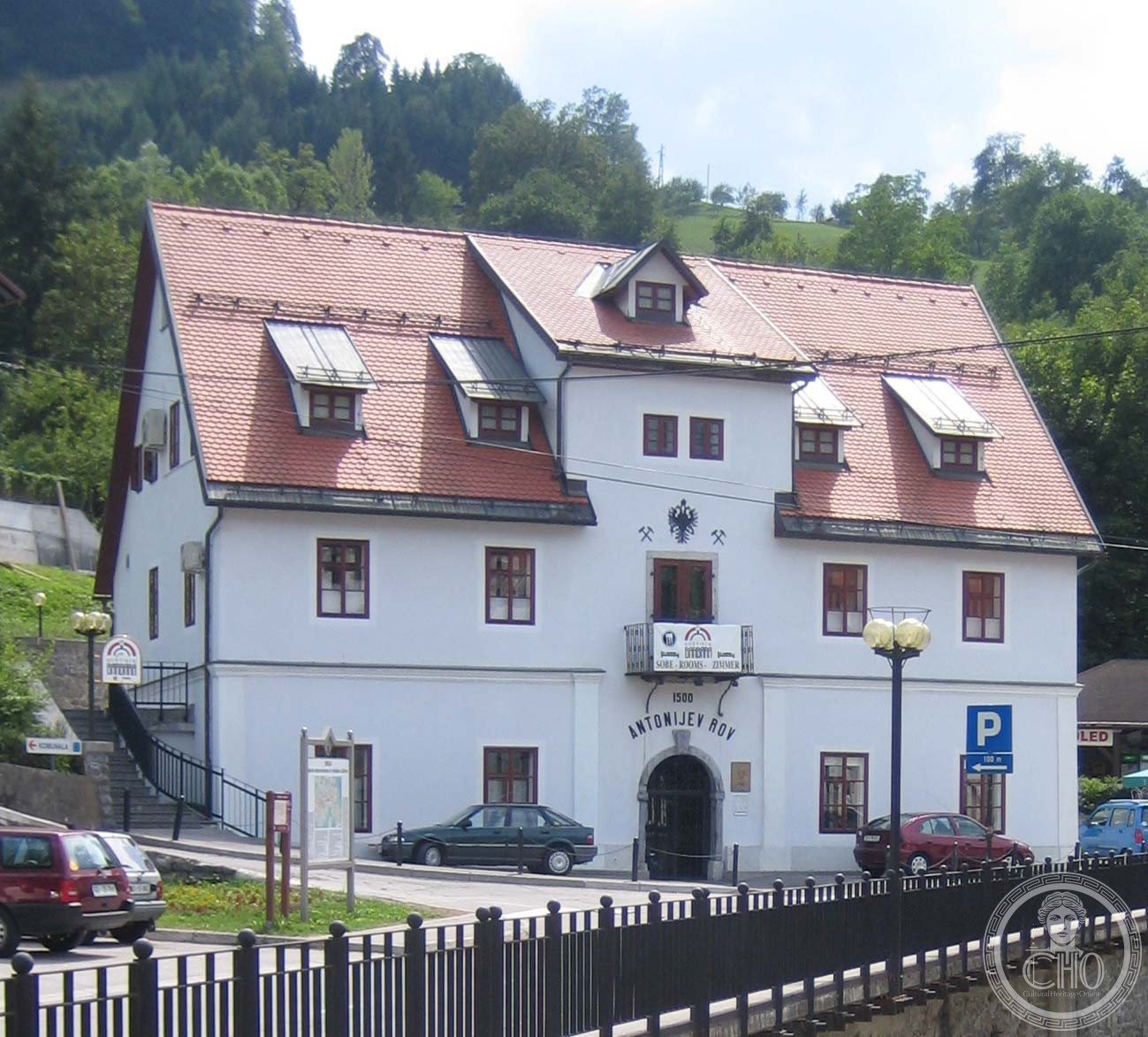
Two of the world’s largest mercury mines, spanning from antiquity to the modern era, now preserved as a joint UNESCO World Heritage Site documenting a crucial chapter in industrial history and intercontinental trade.
At a glance
This UNESCO property comprises two distinct but historically intertwined mercury mining complexes separated by continent and centuries. Almadén, in Castile-La Mancha, represents continuous extraction from classical antiquity. Idrija, in Slovenia, began operations in 1490. Together they represent the two largest mercury mines ever operated worldwide.
History
Mercury extraction at Almadén extends back to ancient times, making it one of Europe’s oldest industrial sites. The Idrija mines, discovered in 1490, quickly became essential to colonial economies. Both sites supplied the mercury critical for gold and silver refinement in American mines, anchoring an intercontinental trade system that shaped European and American development for centuries. Production continued at both locations into modern times.
What you see
Almadén’s Mining Park allows visitors underground to experience the mines firsthand. The site preserves Retamar Castle, the San Rafael Mining Hospital (now an archive), and remarkable eighteenth-century miners’ dwellings arranged in a hexagonal bullring pattern. Idrija features mercury storage facilities, mining infrastructure, workers’ residential quarters, and a miners’ theatre—structures that embody the social and industrial life of extraction communities.
Cultural significance
These sites testify to a vast sociotechnical system binding mining, metallurgy, urban planning, labour organization, and global commerce. Mercury’s role in precious-metal extraction made these mines drivers of colonial expansion and economic transformation. The preserved landscapes, buildings, and institutions reveal how mining shaped territorial development, worker culture, and industrial practice across four centuries.
Key facts
- UNESCO World Heritage Site (joint property)
- Almadén, Castile-La Mancha, Spain (38.7753°N, 4.8389°W)
- Idrija, Slovenia
- Mercury extraction: Almadén from antiquity; Idrija from 1490
- Two largest mercury mines in recorded history
Practical information & getting there
Almadén’s Mining Park offers public underground access. The site remains an active cultural and historical destination in central Spain. Idrija is accessible from Ljubljana. Check current opening hours and guided-tour availability before visiting either location.
Sources & resources
Find it on the map
See this place and what’s around it →📷 Become a Cultural Heritage Online photographer
Share your photos of places: they stay published under your name as the author. The more they're seen, the more you get noticed — and soon a contest will reward the most appreciated photos.
Log in or sign up free to add a photo