

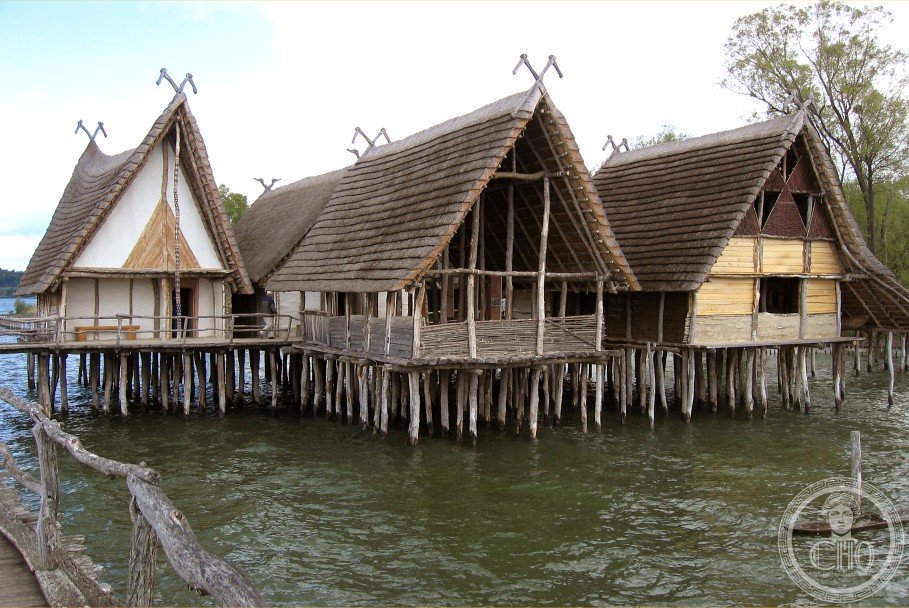
A series of 111 exceptionally preserved prehistoric settlements across six nations, offering unparalleled insight into Neolithic and Bronze Age Alpine life.
At a glance
These are not single monuments but a transnational archaeological ensemble—111 sites on the edges of lakes, rivers and wetlands in Switzerland, Italy, Germany, France, Austria and Slovenia. Built between 5000 and 500 BC, they rank among Europe’s most important sources for understanding early agrarian societies.
History
Prehistoric communities constructed these settlements on marshy land adjacent to water bodies, using piles to guard against periodic flooding. Over millennia, lakes expanded naturally, submerging many original timber foundations beneath the surface. This geological accident created ideal preservation conditions: waterlogged soil arrested decay, allowing organic materials—wood, textiles, seeds—to survive thousands of years largely intact. Excavations have revealed intimate details of domestic life, diet, craftsmanship and environmental management during two critical prehistoric periods.
What you see
Most sites today appear as archaeological dig areas rather than reconstructed buildings. Visitors encounter exposed stratigraphic layers, preserved timber fragments and artifact displays in regional museums. Some locations offer interpretive centers explaining the pile-dwelling technique and daily life. The dwellings themselves were modest timber structures, but their remains—pottery, tools, agricultural products—tell stories of sophisticated communities.
Cultural significance
These settlements transformed understanding of European prehistory. They document the transition from hunter-gatherer to farming societies, revealing how Alpine populations adapted to climate and landscape. For Slovenia, the 2011 UNESCO inscription marked the nation’s first World Heritage Sites recognized for cultural rather than natural value. Today, climate change threatens these fragile sites as water levels and conditions continue to shift.
Key facts
- UNESCO World Heritage Site (2011)
- 111 sites across six countries: Switzerland (56), Italy (19), Germany (18), France (11), Austria (5), Slovenia (2)
- Period: approximately 5000–500 BC
- Coordinates (Austria location): 47.67°N, 9.12°E
Practical information & getting there
The sites are dispersed across the Alpine region. Many are not open as individual monuments but are studied by researchers and displayed in nearby museums. Regional tourism offices and archaeological institutes provide information on visits and exhibitions. The Swiss Alpine Museum and similar institutions across the six nations hold finds and interpretive displays.
Sources & resources
Find it on the map
See this place and what’s around it →📷 Become a Cultural Heritage Online photographer
Share your photos of places: they stay published under your name as the author. The more they're seen, the more you get noticed — and soon a contest will reward the most appreciated photos.
Log in or sign up free to add a photo