
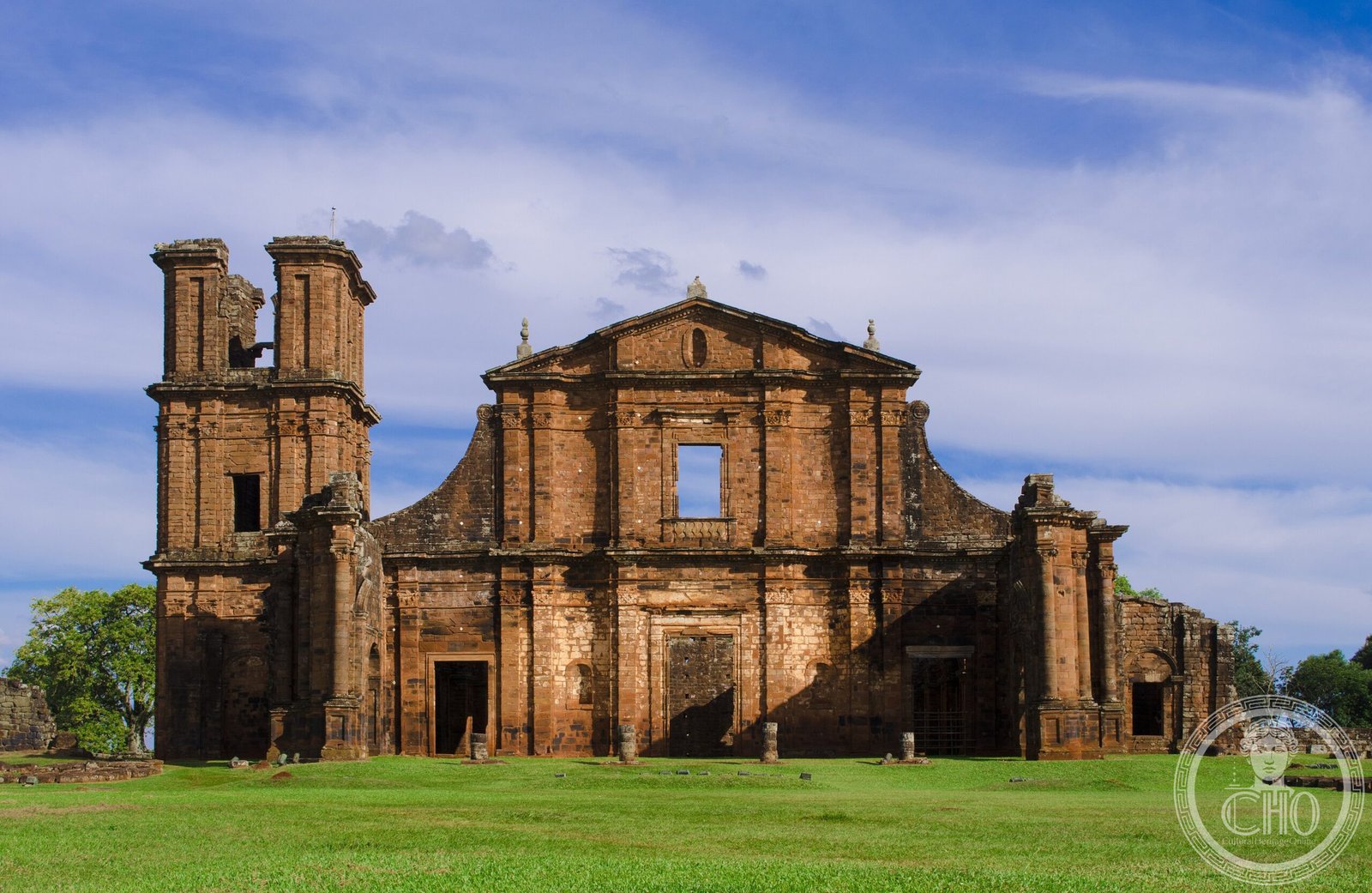
A vast network of autonomous settlements established by the Jesuit Order to evangelize and protect indigenous Guaraní peoples, the missions became economically self-sufficient communities that resisted both colonial exploitation and European control.
At a glance
Between the early 17th and late 18th centuries, the Jesuits founded approximately 30 missions across the Río de la Plata region, creating what historians describe as both a “socialist theocracy” and a controversial experiment in spiritual colonialism. At their peak in 1732, these settlements sheltered over 141,000 Guaraní people. The missions were dissolved following the expulsion of the Jesuit Order from Spain in 1767, ending an experiment unique in colonial South America.
History
The Spanish and Portuguese Empires established “Indian reductions”—concentrated settlements designed to Christianize and assimilate indigenous populations. The Jesuits, however, pursued a different vision: they sought to create autonomous communities largely isolated from colonial settlers and secular rule.
Guaraní peoples were drawn to the missions by genuine protections: escape from enslavement, freedom from forced labor systems called encomiendas, and spiritual instruction. Under Jesuit guidance and native caciques, the reductions thrived economically through organized labor and trade.
When Brazilian slave-traders threatened the missions’ survival, the Jesuits armed indigenous militias—a radical act that defied royal orders—and successfully defended their communities. Political upheaval in Europe sealed their fate. Charles III expelled the Jesuits from Spain and its dominions in 1767, dismantling the entire system.
What you see
Several mission sites survive as archaeological and architectural remains, including San Ignacio Miní and Nuestra Señora de Loreto in Argentina. Ruins reveal Spanish colonial design adapted for indigenous populations: central plazas, church buildings, workshops, and residences arranged in orderly geometric layouts. Stone construction and religious iconography reflect the synthesis of European instruction and local craft traditions.
Cultural significance
The Guaraní missions remain profoundly contested. Admirers see an unprecedented indigenous autonomy within colonialism and a rare space where native peoples shaped their own governance. Critics emphasize coercion: the Jesuits dismantled Guaraní culture, imposed radical lifestyle changes, and subjected communities to disease and physical hardship.
As historical monuments, the missions document the complex legacy of European intervention in the Americas—neither simply oppressive nor liberatory, but a complicated interaction that produced enduring consequences for indigenous peoples and their descendants.
Key facts
- Location: Argentina, Brazil, Paraguay (Río de la Plata region)
- Established: Early 17th century
- Peak population: 141,182 people across 30 missions (1732)
- Coordinates: -27.255280555556, -55.531669444444
- UNESCO World Heritage status: Yes
- Dissolved: 1767 following Jesuit expulsion from Spain
Practical information & getting there
Several mission ruins are accessible to visitors. San Ignacio Miní lies near the town of San Ignacio in Misiones Province, Argentina. The sites are remote; plan travel via regional routes from Posadas or Puerto Iguazú. Visit UNESCO’s official site for current access details and visitor facilities.
Sources & resources
Find it on the map
See this place and what’s around it →📷 Become a Cultural Heritage Online photographer
Share your photos of places: they stay published under your name as the author. The more they're seen, the more you get noticed — and soon a contest will reward the most appreciated photos.
Log in or sign up free to add a photo