

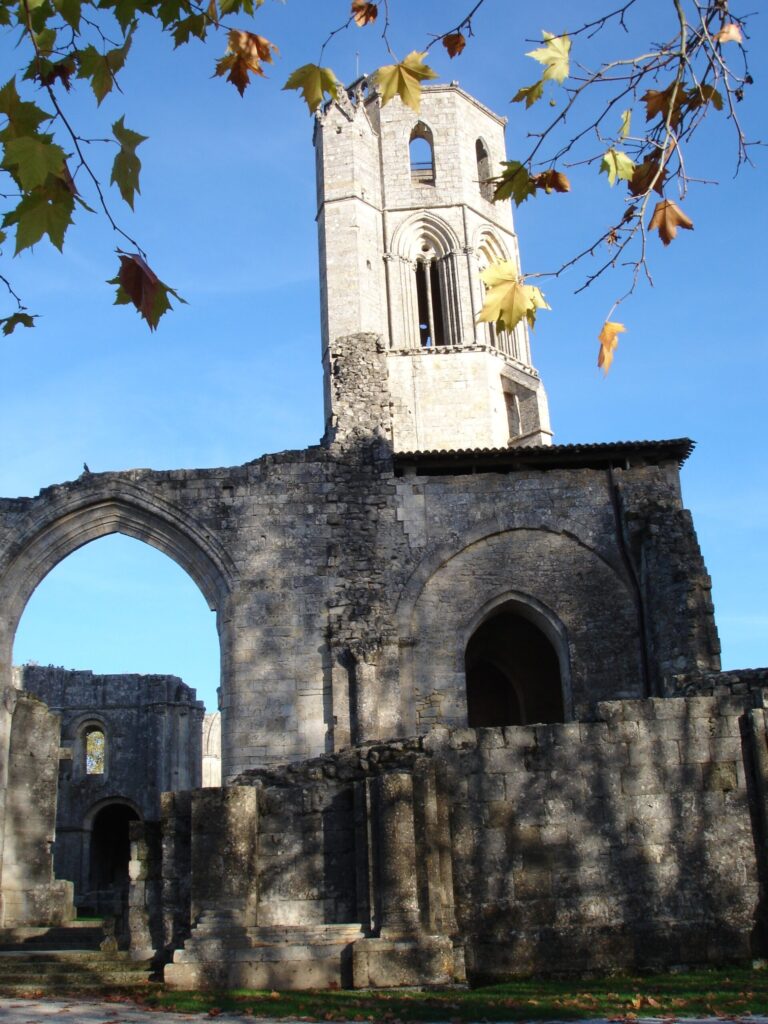
The Romanesque ruins of a Benedictine monastery in Gironde, celebrated for intricate sculpted capitals and its role as a station on the pilgrimage route to Santiago de Compostela.
At a glance
Grande-Sauve Abbey stands as a testament to Romanesque craftsmanship, its surviving stone capitals revealing the artistic ambitions of medieval monastic life. Located in a region once covered by dense forest, the abbey endures as ruins of considerable archaeological and architectural significance.
History
Once a thriving Benedictine community, Grande-Sauve Abbey served pilgrims traveling the Road to Santiago de Compostela. The monastery occupied an important spiritual and geographical position in medieval Christendom, drawing devotees from across Europe toward the shrine of St. James.
What you see
The abbey’s remains showcase the hallmarks of Romanesque design. Sculpted capitals—among the finest surviving examples in the region—display carved figures and ornamental details that speak to the monastic workshops’ technical skill. Though fragmentary, these elements convey the structure’s original grandeur and decorative richness.
Cultural significance
The site embodies the sacred geography of medieval pilgrimage. In 1998, Grande-Sauve Abbey was recognized as part of the UNESCO World Heritage Site designation for the pilgrimage routes to St. James of Compostela, cementing its role in one of Christianity’s greatest journeys and affirming the enduring cultural value of its ruins.
Key facts
- Country: France
- Region: Gironde
- Coordinates: 44.7687, -0.31178
- UNESCO World Heritage Site (1998, as part of pilgrimage routes to Santiago de Compostela)
Practical information & getting there
The ruins are located near the village of La Sauve in southwestern France. The site remains accessible to visitors interested in Romanesque architecture and medieval pilgrimage heritage. Consult local tourism resources for current access details and visitor services.
After the Revolution the abbey served as a prison and then as a stone quarry; it was classified as a monument historique in 1840 on France’s first list, at Mérimée’s request, and the first École normale d’instituteurs of the Gironde, installed there, burned in 1910.
Sources & resources
Find it on the map
See this place and what’s around it →📷 Become a Cultural Heritage Online photographer
Share your photos of places: they stay published under your name as the author. The more they're seen, the more you get noticed — and soon a contest will reward the most appreciated photos.
Log in or sign up free to add a photoIs this page about you?
This page is read by travellers and heritage enthusiasts who find it on Google. Tell us how you are connected to this place and we will take it from there.
This entry stays online and free either way — and a free account lets you add to it yourself.