

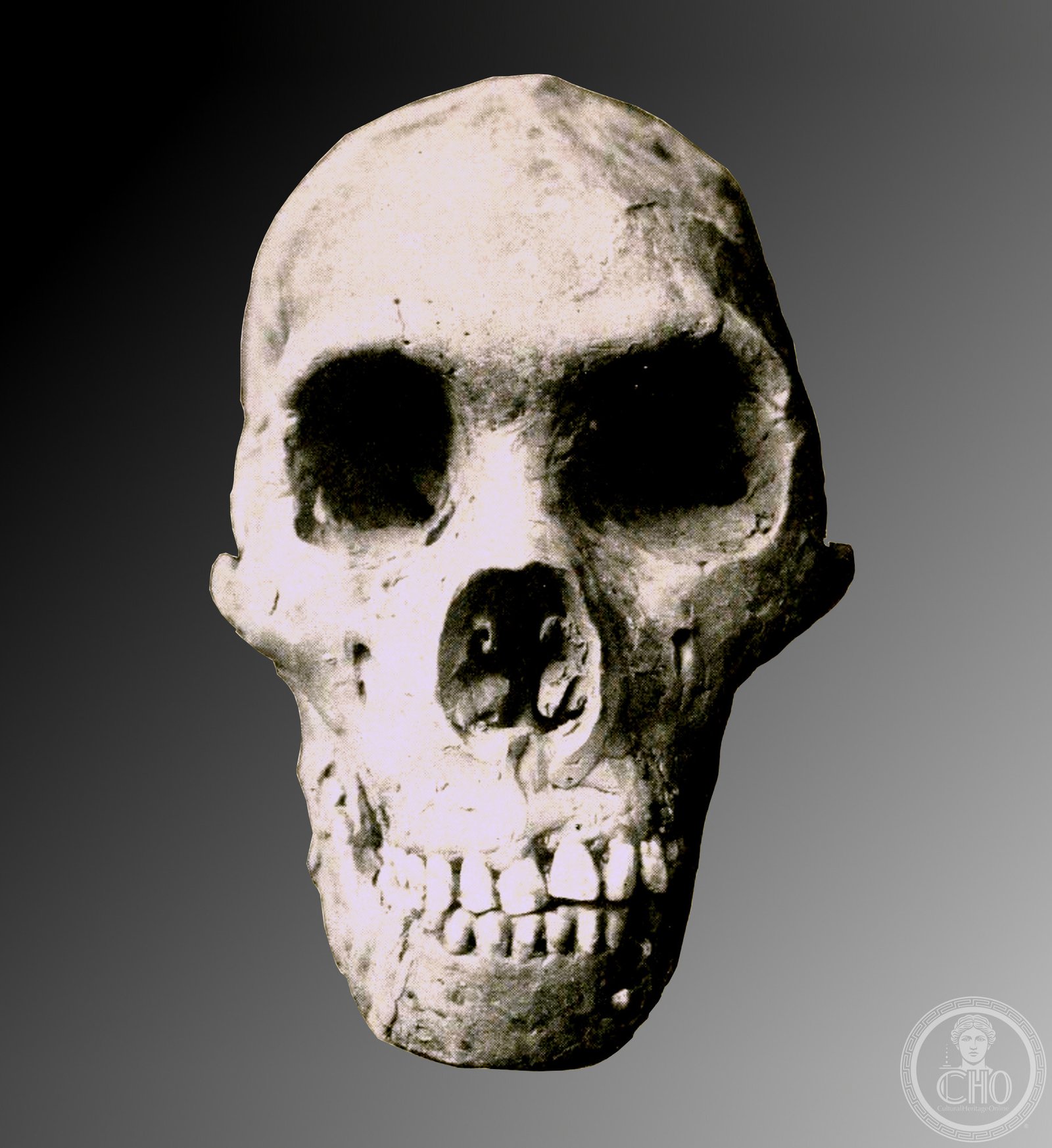
Two rock shelters that revolutionized our understanding of Neanderthal life and gave their name to an entire tool-making tradition spanning the Middle Paleolithic.
At a glance
Le Moustier comprises two rock shelters in the Dordogne valley, one of Europe’s richest concentrations of prehistoric remains. The site’s importance lies not in scale but in what it has revealed: a nearly complete Neanderthal skeleton and evidence of sophisticated stone-tool manufacture spanning thousands of years.
History
Excavation began in 1863 when Englishman Henry Christy and Frenchman Édouard Lartet recognized the site’s significance. Their work established Le Moustier as a reference point for understanding Middle Paleolithic settlement patterns. The discovery of a largely complete Homo neanderthalensis skeleton in 1908 provided rare anatomical evidence of our evolutionary cousins. In 1979, UNESCO recognized the site as part of the Prehistoric Sites and Decorated Caves of the Vézère Valley.
What you see
The two shelters are natural overhangs in limestone cliffs, modified by millennia of occupation. Successive layers of archaeological deposits reveal the material culture of Neanderthals and early modern humans—hearths, stone tools, and animal remains. The stratigraphy itself tells a story of environmental and cultural change across the Middle and Upper Paleolithic periods.
Cultural significance
The Mousterian tool tradition, named directly after this site, defines the Middle Paleolithic across much of Eurasia. Its characteristic flake tools represent a distinct approach to stone-tool production, refined over millennia. Le Moustier exemplifies how a single location can anchor our understanding of deep human prehistory and remains central to debates about Neanderthal cognition and behavior.
Key facts
- Location: Peyzac-le-Moustier, Dordogne, France (44.9939, 1.06)
- Notable discovery: Nearly complete Neanderthal skeleton, 1908
- Excavation began: 1863
- UNESCO World Heritage: 1979 (Prehistoric Sites and Decorated Caves of the Vézère Valley)
Practical information & getting there
Le Moustier lies in the Vézère valley, accessible from the town of Les Eyzies-de-Tayac-Sireuil. The site itself is not a public museum but remains an active archaeological location. Visitors interested in Paleolithic remains should visit nearby museums in the region, which house finds from Le Moustier and related sites.
Sources & resources
Find it on the map
See this place and what’s around it →📷 Become a Cultural Heritage Online photographer
Share your photos of places: they stay published under your name as the author. The more they're seen, the more you get noticed — and soon a contest will reward the most appreciated photos.
Log in or sign up free to add a photoIs this page about you?
This page is read by travellers and heritage enthusiasts who find it on Google. Tell us how you are connected to this place and we will take it from there.