
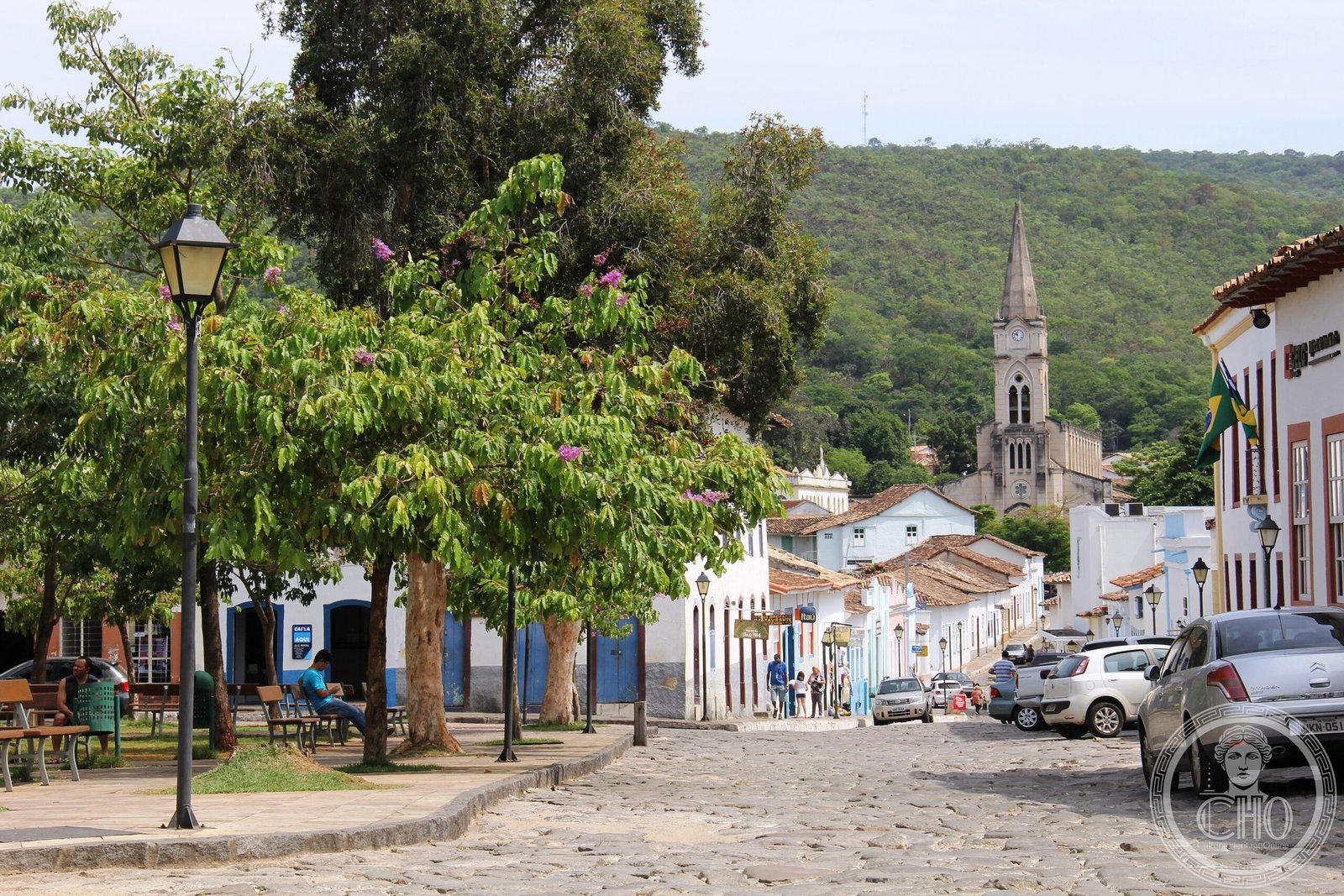
Once the capital of Goiás state, this colonial municipality preserves centuries of Portuguese heritage in its architecture, streets and civic life.
At a glance
Goiás—also known as Goiás Velho (Old Goiás)—is a living archive of 18th-century Brazilian settlement. Its population of approximately 22,381 inhabits a landscape shaped by mining wealth and administrative importance. The municipality spans 3,108 km² across central Brazil.
History
Goiás served as the state capital until the government relocated, preserving the city as a time capsule of colonial Brazil. The municipality’s colonial heritage—built during the era of gold prospecting and administrative authority—remains largely intact, offering insight into Portuguese colonial urbanism and culture in the interior.
What you see
Colonial buildings dominate the streetscape, reflecting the architectural vocabulary of 18th-century Portuguese Brazil. Churches, civic structures and residential quarters follow period conventions, creating a cohesive ensemble that has survived modernisation.
Cultural significance
Goiás represents an exceptionally complete example of colonial settlement in the Brazilian interior. Its designation as a UNESCO World Heritage Site in 2002 recognised the ensemble’s outstanding universal value as testimony to Portuguese expansion and the interior mining economy.
Key facts
- Location: Goiás state, Brazil (−15.93°, −50.14°)
- Population: 22,381 (2020)
- Area: 3,108 km²
- Status: Former state capital; UNESCO World Heritage Site (2002)
Practical information & getting there
Goiás is accessible by road from Goiânia, the current state capital. The historic centre is navigable on foot. For current opening hours, guided tours and visitor facilities, consult local tourism authorities before visiting.
Sources & resources
Find it on the map
See this place and what’s around it →📷 Become a Cultural Heritage Online photographer
Share your photos of places: they stay published under your name as the author. The more they're seen, the more you get noticed — and soon a contest will reward the most appreciated photos.
Log in or sign up free to add a photo