

A Roman fortress and settlement in Germania Inferior, Gelduba evolved from a wooden fort into a major military installation, its history marked by repeated destruction and reconstruction across four centuries.
At a glance
Gelduba stands as one of the Rhineland’s most significant archaeological sites, revealing the military strategy and civilian life of Rome’s frontier. The site, now at Gellep in North Rhine-Westphalia, preserves evidence of occupation from the 1st century AD into the early medieval period.
History
The site was in use from at least the reign of Nero (AD 54–68), when a cemetery was established. Tacitus records Gelduba as the location of a Roman camp and battle during the Batavian revolt of 69–70. A castellum followed, with the original wooden and earthen fort progressing through three structural phases before conversion to stone by 150.
The fortress endured repeated assaults. Frankish raids destroyed it after Postumus’s revolt in 259 and again in 275–276. Under the Tetrarchy, reconstruction included only a stone rampart. By 295 it was elevated to castrum status. Further destruction came in 353–355 under Magnentius, followed by Valentinian I’s rebuilding (364–375). Around 380, semicircular towers and new defensive ditches were added. The garrison, the Cohors II Varcinorum equitata, maintained the fortress until at least the 5th century.
The attached vicus remained inhabited into the early 5th century before destruction by fire. The cemetery, however, proved more resilient, continuing in use until the later 8th century.
What you see
Archaeological excavation has revealed the fort’s evolution: from timber palisades to stone walls, from simple ramparts to sophisticated defensive systems with semicircular bastions. The stone phase reflects Roman military engineering standards of the 2nd century, while later Tetrarchic modifications show adaptation to changing frontier pressures.
The cemetery’s over 6,000 identified graves document the site’s cultural transformation. Early graves show Roman military custom; by the 4th century, orientation shifted from north–south to east–west, and grave goods became less common. Merovingian burials display distinctive character, including a tumulus over a richly adorned grave with associated high-status interments nearby.
Cultural significance
Gelduba illuminates the late Roman frontier’s resilience and the complex transition to successor kingdoms. The burial record charts cultural change—from Romanized Germanic auxiliaries to early Franks—making it essential for understanding the Rhine as both boundary and contact zone. The continuous cemetery use across six centuries demonstrates how sacred spaces survived military and political upheaval.
Key facts
- Location: Gellep, North Rhine-Westphalia, Germany (51.33°N, 6.68°E)
- Occupation: 1st–8th century AD
- Cemetery graves identified: over 6,000
- Final garrison: Cohors II Varcinorum equitata
Practical information & getting there
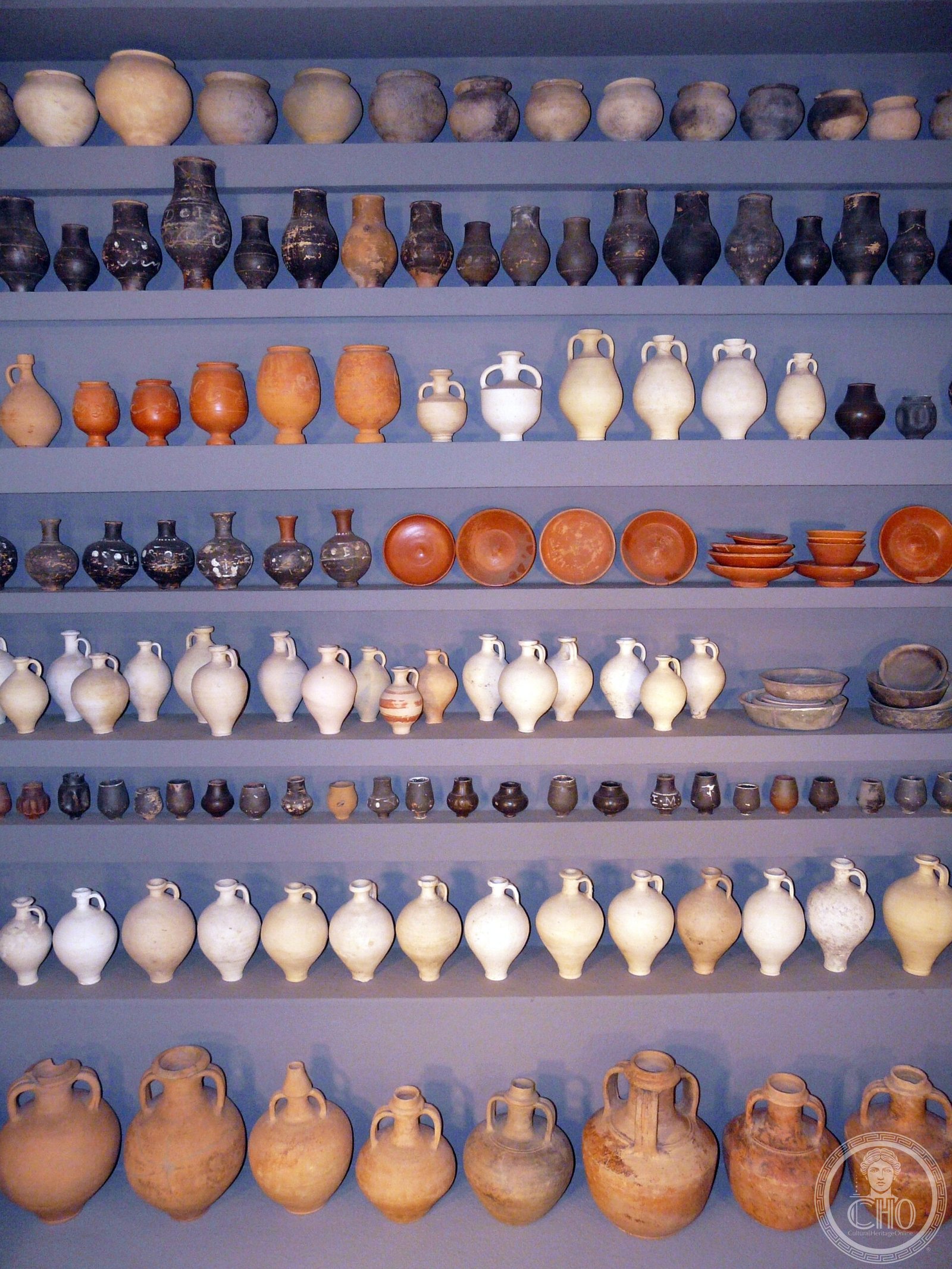
The archaeological site at Gellep is in the Lower Rhine region near Krefeld. Most remains lie beneath modern settlement. Local museums display artifacts from the excavation, providing context for this frontier fortress’s remarkable history.
Sources & resources
- Gelduba – Wikipedia
- Cultural Heritage Online
Find it on the map
See this place and what’s around it →📷 Become a Cultural Heritage Online photographer
Share your photos of places: they stay published under your name as the author. The more they're seen, the more you get noticed — and soon a contest will reward the most appreciated photos.
Log in or sign up free to add a photoIs this page about you?
This page is read by travellers and heritage enthusiasts who find it on Google. Tell us how you are connected to this place and we will take it from there.