

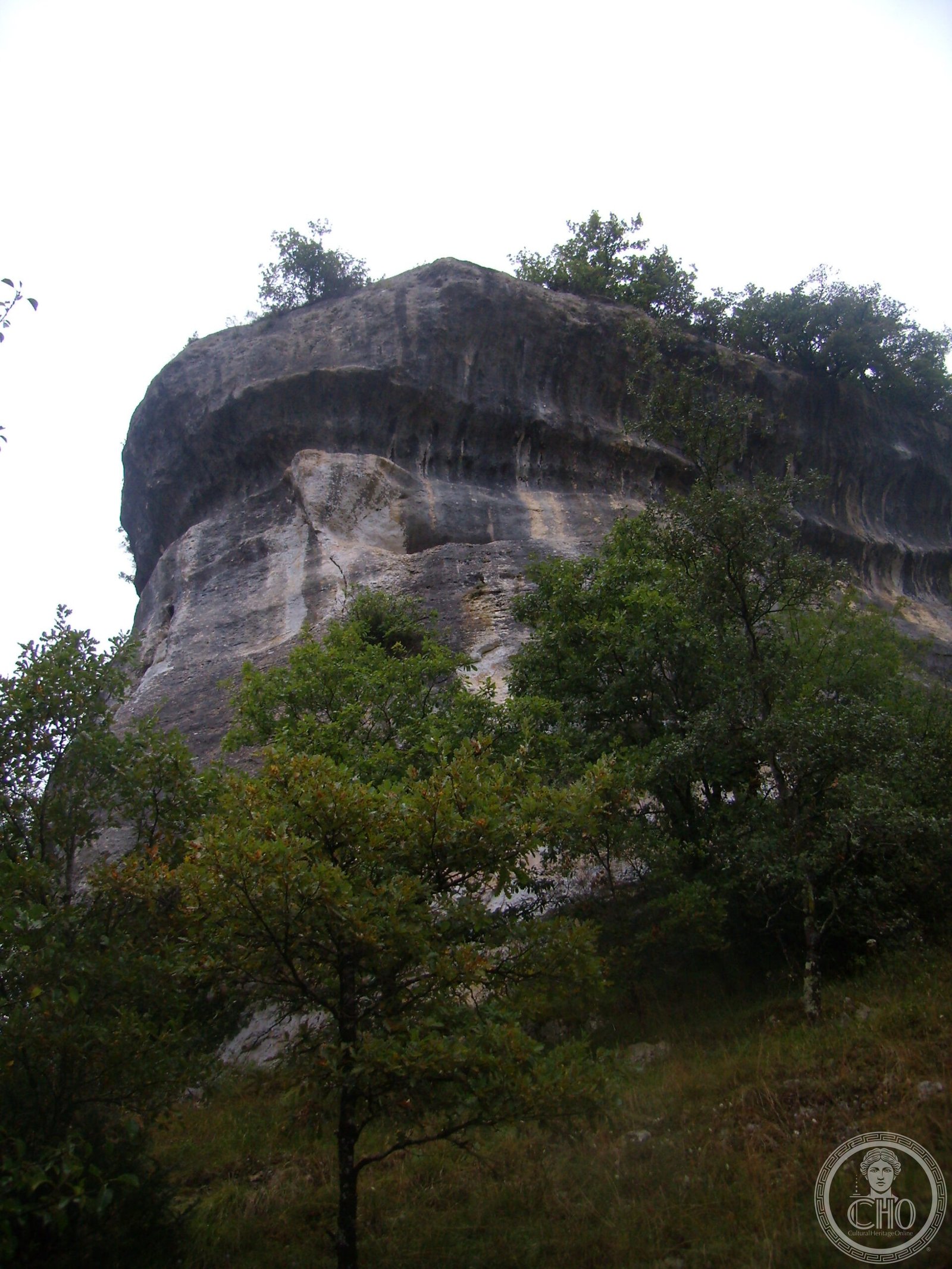
A cave sanctuary of Magdalenian artists, Font-de-Gaume preserves over 200 polychrome paintings and engravings—a window into the creative vision of Ice Age peoples in southwestern France.
At a glance
Font-de-Gaume is a painted cave in the Dordogne department, near Les Eyzies. More than 200 images—polychrome paintings and engravings—cover its walls, created during the Magdalenian period. The cave was discovered in 1901 and remains one of France’s most significant Paleolithic art sites.
History
The artists who decorated Font-de-Gaume worked during the Magdalenian period, thousands of years before recorded history. Their work remained sealed in darkness until 1901, when the cave’s entrance was rediscovered. Since then, scholars have identified and documented the remarkable images left behind.
What you see
The cave contains polychrome paintings—images rendered in multiple colors—alongside engraved lines incised into the stone. Over 200 individual images have been catalogued, representing animals, human figures, and abstract forms created by Magdalenian peoples. The pigments and techniques reveal sophisticated artistic knowledge and planning.
Cultural significance
Font-de-Gaume stands as testimony to the artistic sophistication of Paleolithic societies. Its paintings provide insight into the spiritual, hunting, or ceremonial life of Ice Age communities. The site anchors our understanding of human creativity and cultural expression during the final millennia of the last glacial period.
Key facts
- Country: France
- Location: Les Eyzies, Dordogne
- Coordinates: 44.9369, 1.0267
- Discovered: 1901
- Images identified: More than 200
- UNESCO World Heritage Site: 1979 (Prehistoric Sites and Decorated Caves of the Vézère Valley)
Practical information & getting there
Font-de-Gaume is accessible to visitors near Les Eyzies in southwestern France. The cave lies within the Vézère Valley, a region dense with Paleolithic sites. Contact local tourism offices or the cave directly for current opening hours, guided tour availability, and any access restrictions.
Sources & resources
Find it on the map
See this place and what’s around it →📷 Become a Cultural Heritage Online photographer
Share your photos of places: they stay published under your name as the author. The more they're seen, the more you get noticed — and soon a contest will reward the most appreciated photos.
Log in or sign up free to add a photoIs this page about you?
This page is read by travellers and heritage enthusiasts who find it on Google. Tell us how you are connected to this place and we will take it from there.