

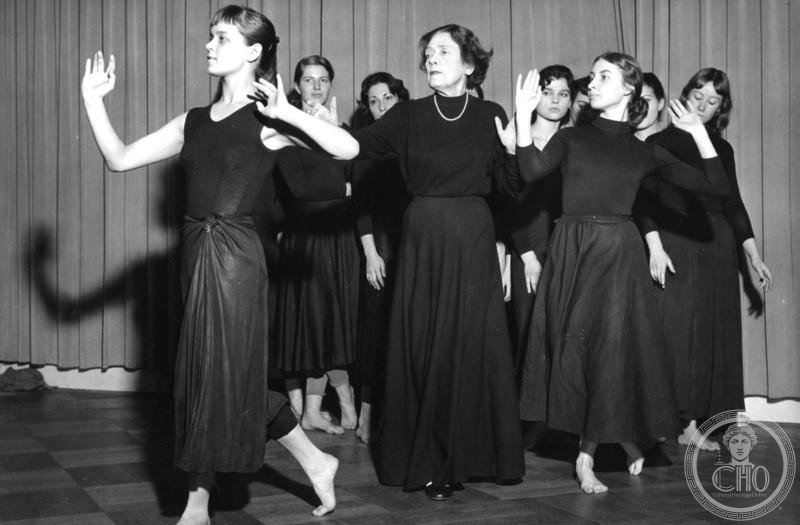
A revolutionary movement born from the desire to liberate the body and express inner emotion, German Expressionist dance rejected classical ballet’s rigid conventions and reshaped European modern dance in the early 20th century.
At a glance
Expressionist dance prioritizes individual artistic vision and emotional authenticity over formal technique. Dancers use rhythmic and expressive movements to communicate feeling directly, creating a visceral counterpoint to the mechanical precision of traditional ballet. The form emerged as a deliberate rejection of classical constraints, valuing spontaneity, experimentation, and the dancer’s unique interpretation.
Origins and history
At the turn of the 20th century, European artists and dancers rebelled against the austere, mechanistic aesthetics of classical ballet. Expressionist dance developed as a movement that privileged felt experience over codified steps—dancers sought to process and present their inner emotional and artistic worlds on stage. This impulse aligned with broader Expressionist trends across European art, music, and theater, all pursuing rawer, more subjective forms of expression. The style became particularly influential in Germany and continues to inform contemporary performance.
The tradition today
Modern dance as practiced in Germany retains Expressionist roots: fluid movement vocabularies, emotional authenticity, and the dancer as creator rather than interpreter of fixed choreography. Contemporary practitioners build on these principles through both formal training and experimental exploration. The tradition remains active in Berlin’s vibrant dance scene, where studios, companies, and independent artists develop and perform works that honor this legacy of expressive freedom and individual artistic voice.
Cultural significance
Expressionist dance transformed European performance by placing human emotion and subjective experience at the center of artistic practice. It challenged the idea that dance must conform to inherited rules, opening pathways for generations of choreographers and performers worldwide. The tradition also relates closely to Tanztheater (dance theater), another influential German form that blends dance with theatrical narrative. Recognition as intangible cultural heritage affirms the movement’s enduring importance to German artistic identity.
Key facts
- Country: Germany
- Anchor community: Berlin
- UNESCO status: Included on the Representative List of the Intangible Cultural Heritage of Humanity (2014)
- Historical emergence: Early 20th century, as a counter-movement to classical ballet
- Related tradition: Tanztheater (dance theater)
Where to experience it
Berlin remains the international center for Expressionist and modern dance. You will find performances at venues ranging from the Staatsballett Berlin and Tanzfabrik to independent studios and festivals dedicated to contemporary and experimental work. Many dance schools throughout Germany teach modern and expressionist techniques alongside classical forms, offering classes and workshops for both observers and practitioners.
Sources & resources
- Expressionist Dance — Wikipedia
- Cultural Heritage Online
Find it on the map
See this place and what’s around it →📷 Become a Cultural Heritage Online photographer
Share your photos of places: they stay published under your name as the author. The more they're seen, the more you get noticed — and soon a contest will reward the most appreciated photos.
Log in or sign up free to add a photo