
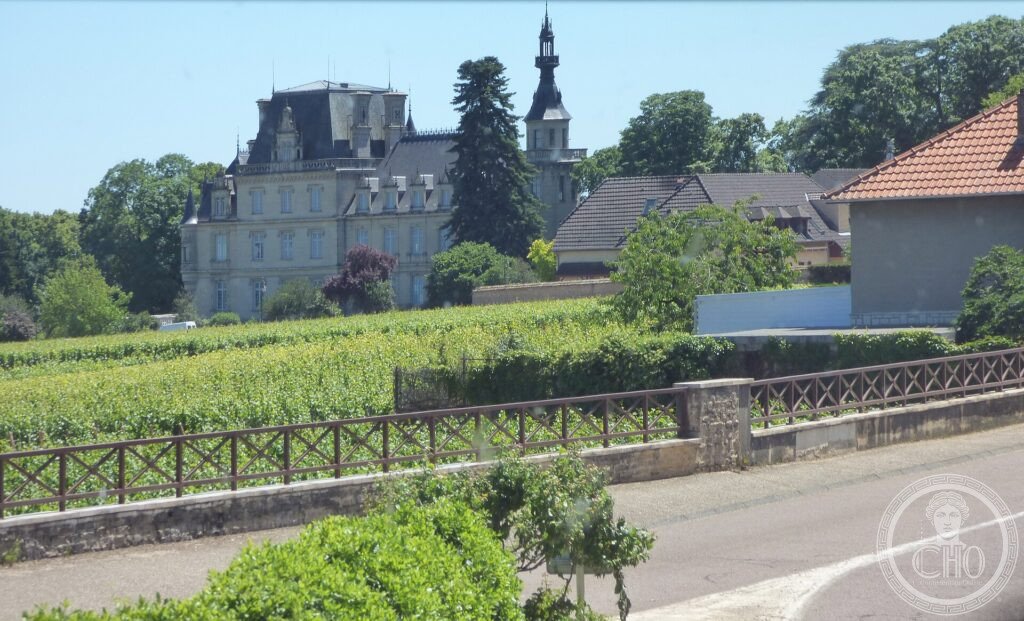
In Burgundy, every parcel of vineyard has a name, a character, a wine: these are the “climats”, small plots defined over the centuries — many by medieval monks — according to soil and exposure. From Dijon to Beaune, along the Côte, this meticulous mosaic gave the world the very idea of terroir.
At a glance
The Climats of Burgundy are the precisely delimited vineyard parcels of the Côte de Nuits and Côte de Beaune, the slopes running south from Dijon to below Beaune. Each climat has its own name, soil and microclimate, and produces a wine of its own character — a mosaic of more than a thousand plots refined over centuries, many first marked out by medieval monks. This is the birthplace of the idea of terroir, the link between a wine and a precise place. The Climats were inscribed by UNESCO in 2015.
Key facts
- UNESCO: World Heritage since 2015 (Climats, terroirs of Burgundy)
- The Climats: over a thousand named vineyard parcels
- Terroir: each plot has its own soil, exposure and wine
- Medieval origin: many boundaries first defined by monks, notably the Cistercians
- Côte: the slopes of the Côte de Nuits and Côte de Beaune
- Towns: Dijon and Beaune anchor the wine landscape
History
Vines have grown on the Burgundian slopes since Roman times, but it was in the Middle Ages that the idea of the climat took shape. Monks, above all the Cistercians of Cîteaux, observed how the wine differed plot by plot with the soil and the lie of the land, and began to delimit and name the parcels — the origin of the world’s most detailed mapping of vineyard terroir.
Over the following centuries dukes, monasteries and growers refined the boundaries, walls and names, building the wine towns of Dijon and Beaune and the trade that carried Burgundy across Europe. The mosaic of climats, with their stone walls and modest huts, is a cultural landscape that gave the world the very concept of terroir.
What you see
The Côte unfolds as a long ribbon of vineyards on the gentle east-facing slope, divided into countless small parcels by low stone walls, paths and the occasional stone hut. Wine villages and châteaux — Gevrey-Chambertin, Vougeot with its Cistercian Clos, Nuits-Saint-Georges, Pommard — punctuate the rows of vines.
At its heart, Beaune with its colourful tiled Hospices, and Dijon with its ducal palace, hold the history and trade of the climats.
Practical information
- Route des Grands Crus: the wine road links the villages and climats
- Tasting: village cellars and domaines offer Burgundy wines
- Time needed: a day or more along the Côte
- Note: Beaune and Dijon are the gateways to the vineyards
Getting there
The Climats lie along the Côte between Dijon and below Beaune in Burgundy, eastern France. Dijon and Beaune have rail links from Paris; the wine road and villages are best toured by car or bicycle. GPS (Côte de Nuits): 47.16° N, 4.92° E.
Nearby
- Beaune — with the famous Hospices de Beaune and its tiled roof
- Dijon — the historic capital of the Dukes of Burgundy
- Clos de Vougeot — the Cistercian walled vineyard and château
Sources
- UNESCO World Heritage Centre — “The Climats, terroirs of Burgundy” (ref. 1425)
- Association des Climats du vignoble de Bourgogne — official body
- Encyclopaedia Britannica — Burgundy; terroir
Find it on the map
See this place and what’s around it →📷 Become a Cultural Heritage Online photographer
Share your photos of places: they stay published under your name as the author. The more they're seen, the more you get noticed — and soon a contest will reward the most appreciated photos.
Log in or sign up free to add a photo