

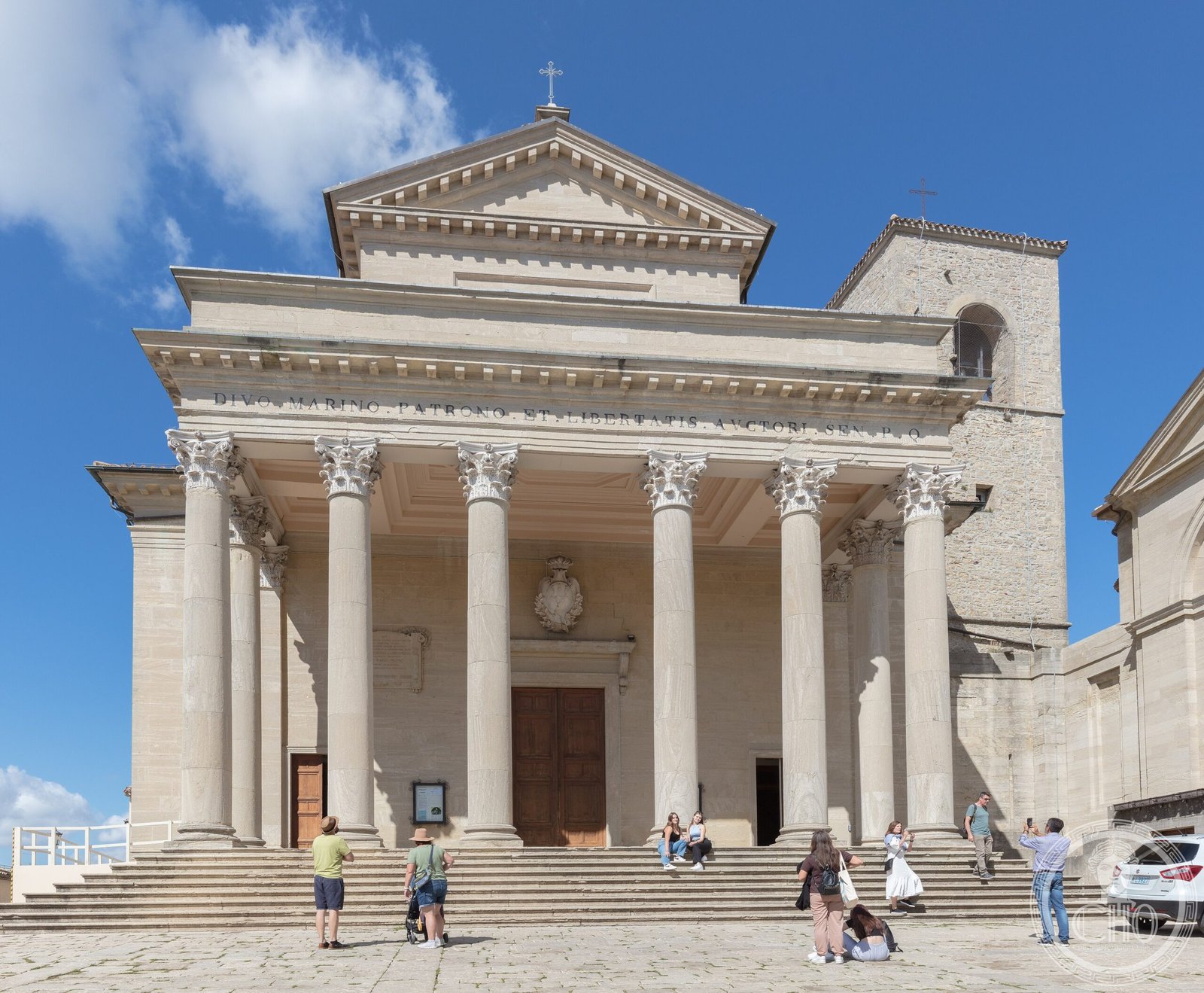
The capital of the Republic of San Marino, perched on the western slopes of Monte Titano, this diminutive city serves as the political and cultural heart of one of Europe’s smallest nations.
At a glance
San Marino is the capital of the Republic of San Marino and one of its nine castelli (administrative divisions). With a population of 4,118, it ranks as the fifth-least-populated national capital in the world. The city occupies the western slopes of Monte Titano, the republic’s highest point, commanding dramatic views across the Apennines and Italian countryside.
History
The republic and its capital trace their origins to the early medieval period, when the territory was established as a sovereign state. San Marino has remained an independent republic for centuries, making it one of the oldest surviving sovereign states in Europe. The city has served continuously as its administrative and symbolic center.
What you see
The city’s layout reflects its hilltop setting, with streets arranged along the slopes of Monte Titano. Medieval fortifications and civic buildings define its urban character, their stone facades adapted to the challenging topography. The placement on the western slopes provides natural defensive advantages and distinctive vistas across the surrounding landscape.
Cultural significance
As capital of a microstate that has maintained independence and republican governance through centuries of European upheaval, San Marino represents a unique political and cultural entity. The city embodies the identity of its nation, serving as witness to an unbroken continuity of institutional life and self-determination rare among the world’s polities.
Key facts
- Country: San Marino
- Population: 4,118
- Coordinates: 43.9346°N, 12.4473°E
- Location: Western slopes of Monte Titano
- Status: Capital of the Republic of San Marino; one of nine castelli
Practical information & getting there
The city is accessible by road from surrounding Italian towns and via public transport connections. San Marino’s position in the central Apennines makes it reachable from major cities in northern and central Italy. Check current travel information and opening hours for civic buildings before your visit.
Sources & resources
Find it on the map
See this place and what’s around it →📷 Become a Cultural Heritage Online photographer
Share your photos of places: they stay published under your name as the author. The more they're seen, the more you get noticed — and soon a contest will reward the most appreciated photos.
Log in or sign up free to add a photo