
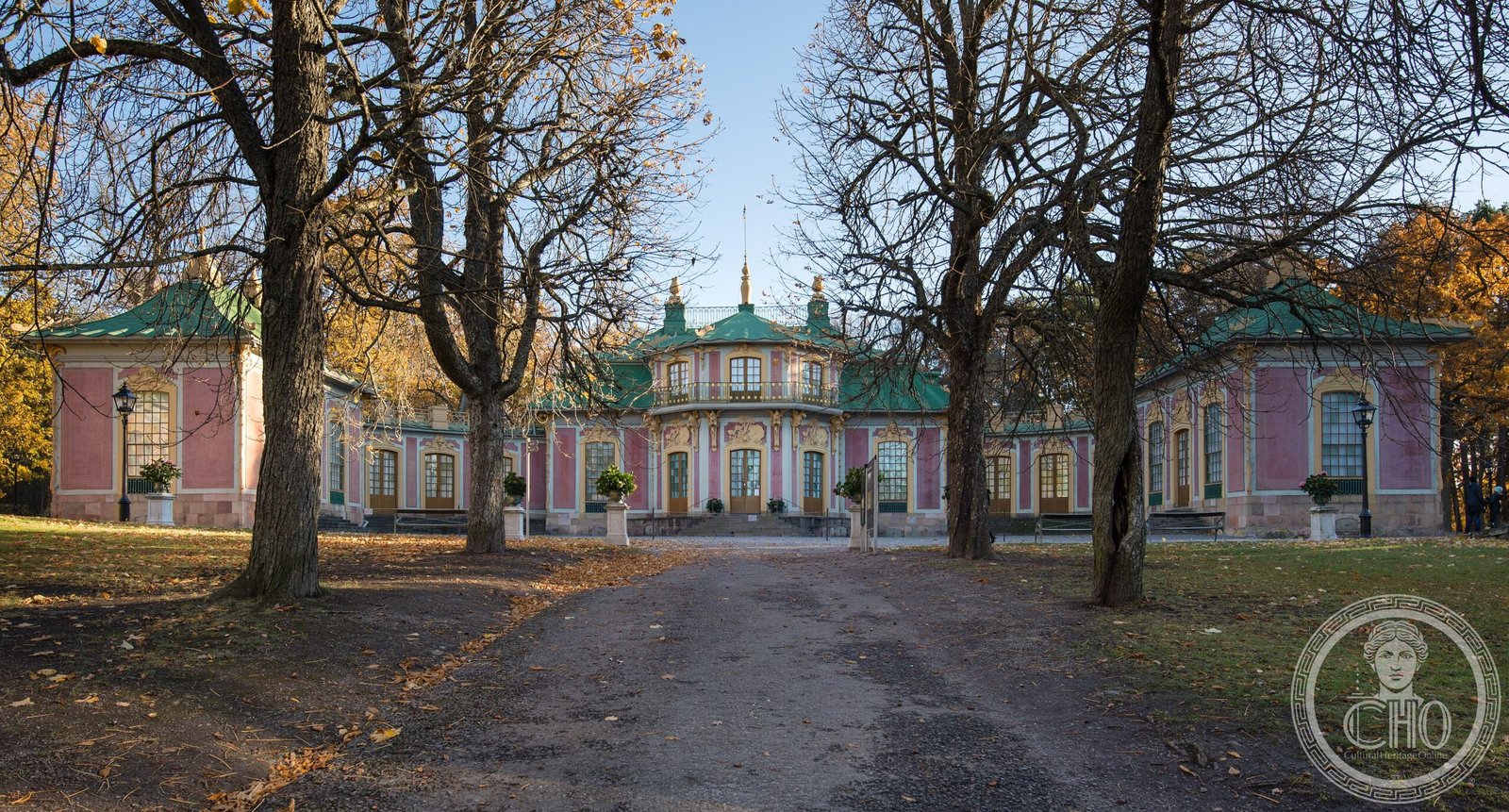
Chinese Pavilion at Drottningholm
A whimsical Chinese-inspired royal retreat built for Swedish royalty in the mid-18th century, the Chinese Pavilion stands as a remarkable example of European chinoiserie and remains one of Sweden’s most distinctive palaces.
At a glance
This ornamental pavilion, known in Swedish as Kina slott, occupies a privileged position within the grounds of Drottningholm Palace park. Built between 1753 and 1769, it represents the height of 18th-century European fascination with East Asian aesthetics and design. Today it functions as one of Sweden’s Royal Palaces and holds UNESCO World Heritage status.
History
The pavilion was commissioned during the reign of Swedish royalty in the mid-18th century, a period when chinoiserie—the European interpretation of Chinese and East Asian design—captivated aristocratic imagination across the continent. Construction spanned sixteen years, from 1753 to 1769, reflecting the ambitious scope of the project. The building’s long gestation suggests careful attention to detail and the challenges of realizing an exotic vision in the Swedish climate and landscape.
What you see
The pavilion’s design draws heavily from Chinese architectural traditions, though filtered through a distinctly European sensibility. Its placement within the formal Drottningholm Palace park creates a striking contrast between symmetrical palace grounds and the pavilion’s more ornamental character. The structure exemplifies the playful eclecticism that defined royal taste during the late Baroque and early Rococo periods.
Cultural significance
The Chinese Pavilion represents a crucial moment in European cultural history—the explosion of interest in non-Western aesthetics that would eventually reshape design, decorative arts, and architecture across the continent. As part of the Drottningholm Palace complex, it contributes to one of Sweden’s most important cultural ensembles and demonstrates how global trade and diplomatic exchange influenced royal patronage and taste.
Key facts
- Country: Sweden
- Location: Drottningholm Palace park
- Coordinates: 59.31694444, 17.87861111
- Built: 1753–1769
- UNESCO World Heritage Site: Yes
- Current status: One of Sweden’s Royal Palaces
Practical information & getting there
The Chinese Pavilion is situated within the grounds of Drottningholm Palace near Stockholm. As part of Sweden’s Royal Palaces and a UNESCO World Heritage Site, it is open to visitors during designated seasons. Check official palace websites for current visiting hours, admission fees, and guided tour availability before planning your visit.
Sources & resources
Find it on the map
See this place and what’s around it →📷 Diventa un fotografo di Cultural Heritage Online
Condividi le tue foto dei luoghi: restano pubblicate con la tua firma come autore. Più vengono viste, più ti fai conoscere — e presto un concorso premierà le foto più apprezzate.
Accedi o registrati gratis per aggiungere una fotoDo you manage this place?
This page is read by travellers and heritage enthusiasts who find it on Google. Keep it accurate — and make it work for you. Free for non-profit heritage institutions.