
Six caves in southern Germany shelter humanity’s earliest known artworks—carved figurines, bone flutes, and enigmatic sculptures that illuminate the creative awakening of our species at the dawn of modern human culture.
At a glance
Six limestone caves in the Swabian Jura preserve the world’s oldest confirmed sculptures and musical instruments. Occupied by Ice Age hunters between 43,000 and 33,000 years ago, these sites yielded carved animal and humanoid figurines, bone flutes, and personal ornaments that rank among archaeology’s most significant discoveries. The caves represent the earliest known expression of human artistic thought.
History
Modern humans inhabited these caves during the Aurignacian period, a transformative era in human prehistory. The deposits reveal a society equipped with sophisticated tools and possessed of symbolic imagination. Excavations spanning decades have uncovered extraordinary objects—some depicting hybrid creatures, part animal and part human—suggesting complex mythological or spiritual thinking.
The Lion Man figurine dates to 41,000–39,000 years ago; the Venus of Hohle Fels is approximately 42,000–41,000 years old. Bone flutes recovered from Geissenklösterle, dated to around 43,150–39,370 years before present, remain the oldest musical instruments ever discovered.
What you see
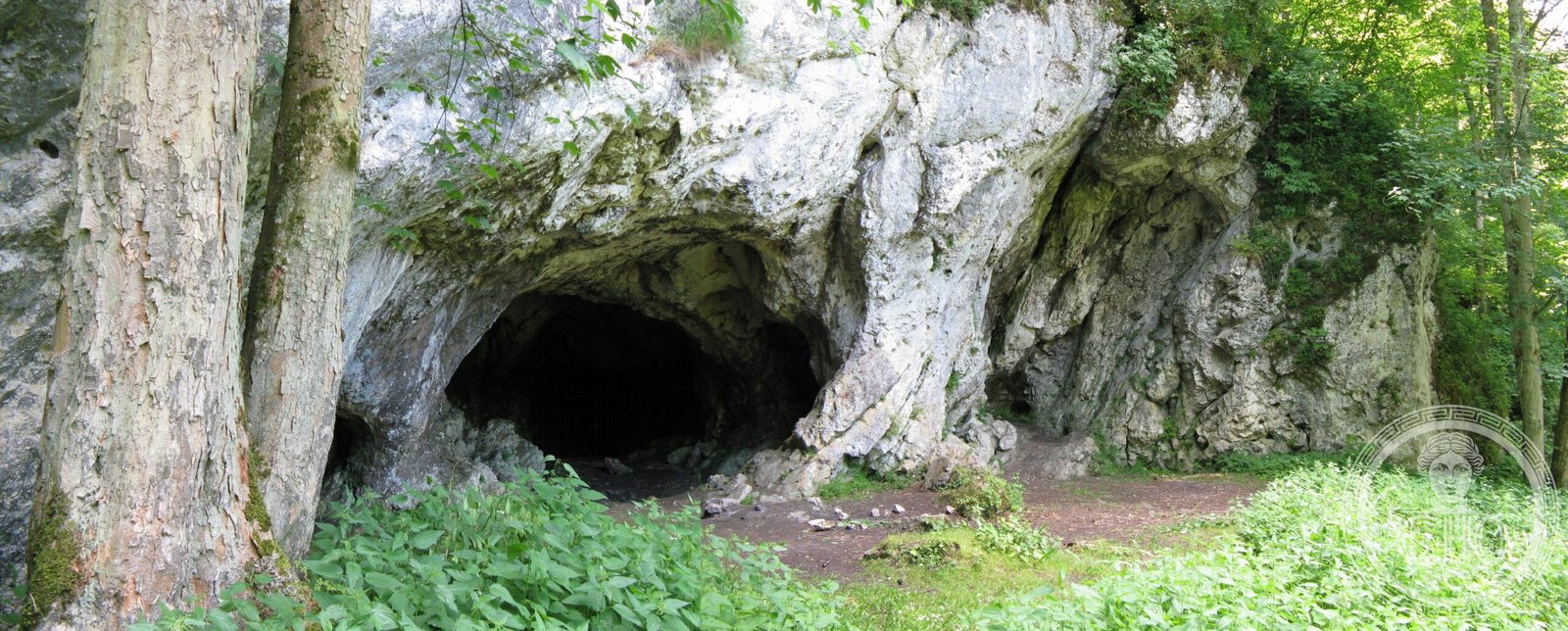
The caves themselves are natural rock formations carved from limestone, typical of the Swabian landscape. Within their chambers lie the archaeological record: carved mammoth ivory figurines depicting lions, mammoths, horses, and cattle; small pendants and beads; and carefully crafted bone flutes with precisely drilled finger holes. The Lion Man—an imposing figure with a human body and feline head—remains one of archaeology’s most haunting artifacts.
Cultural significance
These caves form what scholars call the “cradle of art” and “cradle of civilization.” They document the emergence of symbolic expression and aesthetic judgment at the threshold of human consciousness. The artistic sophistication and apparent spiritual content of the figurines challenge simplistic narratives of human development and demonstrate that artistic impulse arose early in our species’ history.
UNESCO recognized their paramount importance in 2017, acknowledging six millennia of continuous cultural heritage preserved within these chambers.
Key facts
- Country: Germany
- Region: Swabian Jura, southern Germany
- Coordinates: 48.38°N, 9.77°E
- Period: Aurignacian (approximately 43,000–33,000 years ago)
- UNESCO World Heritage Site: Inscribed 2017
- Oldest confirmed sculptures: Venus of Hohle Fels and Lion Man figurine
- Oldest musical instruments: Bone flutes from Geissenklösterle cave
Practical information & getting there
The caves are located in the Swabian Jura near Blaubeuren in Baden-Württemberg. Some caves are accessible to visitors; others remain active archaeological sites. Local museums in the region display original artifacts and replicas. Check with regional tourism offices for current access, guided tour availability, and seasonal hours before planning your visit.
Sources & resources
Find it on the map
See this place and what’s around it →📷 Become a Cultural Heritage Online photographer
Share your photos of places: they stay published under your name as the author. The more they're seen, the more you get noticed — and soon a contest will reward the most appreciated photos.
Log in or sign up free to add a photo