
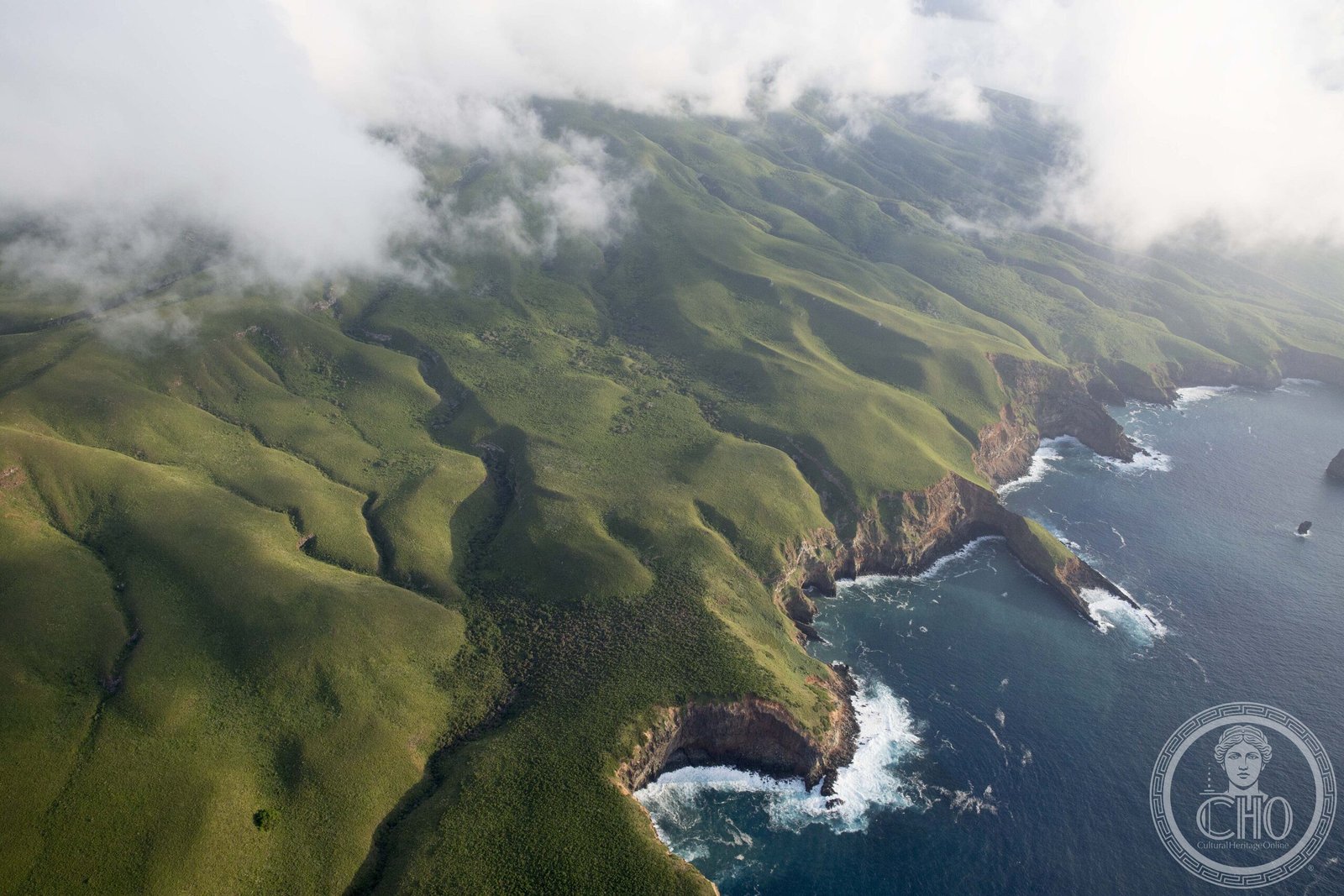
Four volcanic islands in the Pacific Ocean form one of Mexico’s most remote and ecologically distinct marine reserves, home to unique species found nowhere else on Earth.
At a glance
The Revillagigedo Archipelago comprises four volcanic islands situated approximately 458 kilometres southwest of Cabo San Lucas. Declared a UNESCO World Heritage Site in 2016 and a Mexican national park and marine reserve in 2017, the islands remain among the country’s least accessible territories. Travel from the mainland typically requires 26 to 30 hours by sea, though a small military airstrip serves Socorro Island.
History
Historically linked to the Mexican state of Colima, the islands were granted to that state in 1861 to establish a penal colony. Today they remain under Mexican federal property and jurisdiction, their status reflecting their strategic and ecological importance to the nation.
What you see
The archipelago’s defining feature is its volcanic geology. Some volcanoes remain active: Volcán Bárcena last erupted in 1953, while Socorro experienced an eruption in 1993. The dramatic volcanic landscape shapes the islands’ distinctive topography and continues to evolve.
Cultural significance
The Revillagigedo Islands are celebrated for their unique ecosystem and exceptional biodiversity. Their remote location and isolation have fostered the evolution of species found nowhere else, making them invaluable for scientific study and conservation. UNESCO recognition underscores their global importance as a marine and terrestrial sanctuary.
Key facts
- Country: Mexico
- Location: Pacific Ocean, approximately 458 km southwest of Cabo San Lucas
- Coordinates: 18.83°N, 112.83°W
- UNESCO World Heritage Site: yes (2016)
- Status: National park and marine reserve (2017)
Practical information & getting there
Access to the Revillagigedo Islands is extremely limited. Visitors typically reach the archipelago by sea from mainland Mexico—a journey of 26 to 30 hours. A small military airstrip on Socorro Island provides an alternative, though flights are restricted. Consult current Mexican authorities before planning any visit, as access may be regulated.
Sources & resources
Find it on the map
See this place and what’s around it →📷 Become a Cultural Heritage Online photographer
Share your photos of places: they stay published under your name as the author. The more they're seen, the more you get noticed — and soon a contest will reward the most appreciated photos.
Log in or sign up free to add a photoIs this page about you?
This page is read by travellers and heritage enthusiasts who find it on Google. Tell us how you are connected to this place and we will take it from there.