
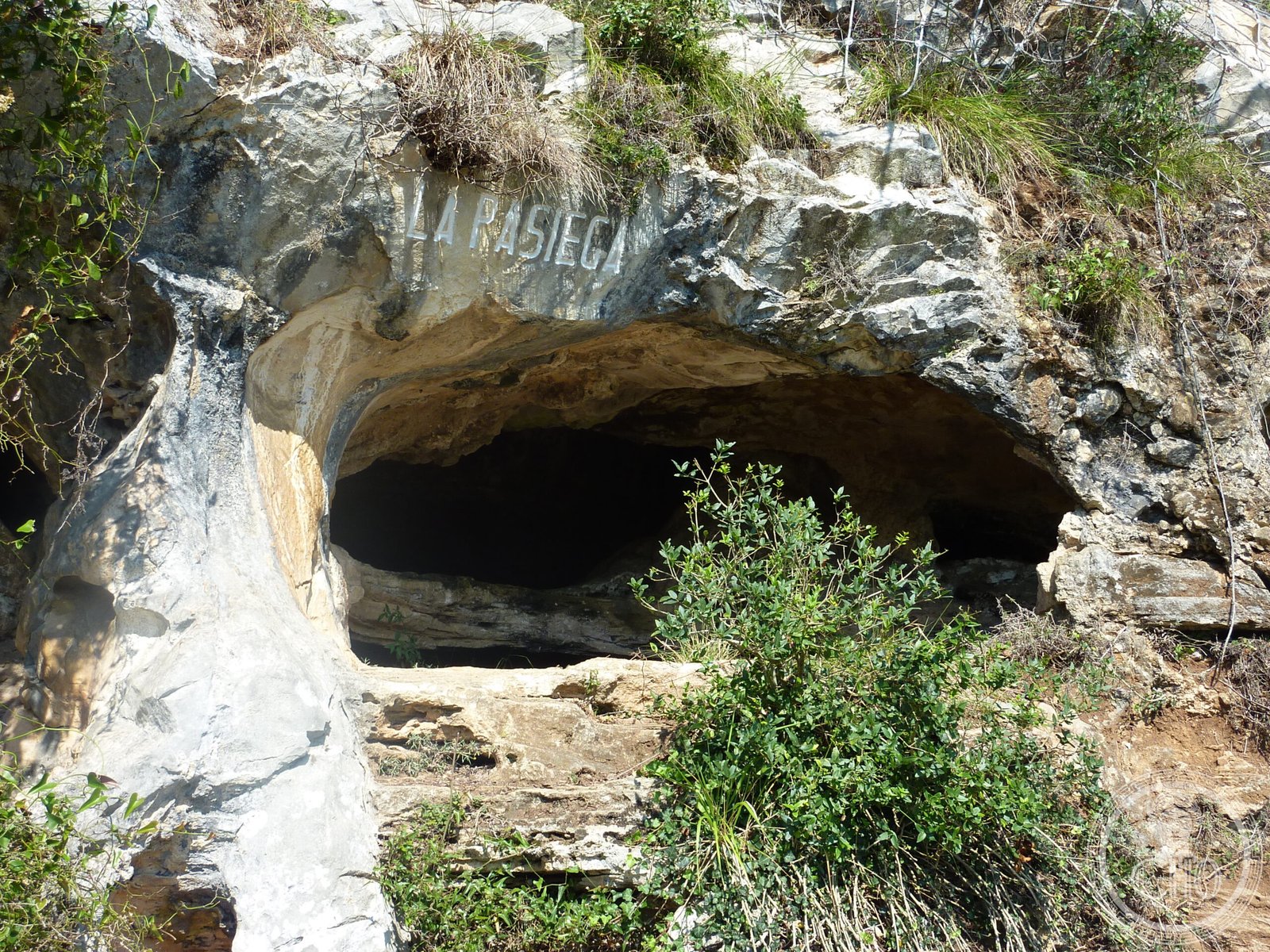
One of Cantabria’s most significant Paleolithic sanctuaries, this vast gallery system preserves thousands of years of human artistic expression through animal imagery and abstract symbols.
At a glance
La Pasiega is a sprawling cave network extending over 120 meters through the Pas River valley. Six natural openings punctuate its length, though only two remain accessible to visitors. The principal gallery spans approximately 70 meters before branching into intricate secondary passages and chambers decorated with Paleolithic art.
History
The cave’s artistic record spans from at least the Upper Solutrean through the Lower Magdalenian periods. A 2018 uranium-thorium dating study controversially claimed a scalariform symbol was older than 64,000 years, suggesting possible Neanderthal authorship. This interpretation remains disputed among specialists based on physical-chemical evidence.
What you see
The principal gallery opens into a labyrinthine system of passages and chambers—designated Room II-VIII, Gallery B, and Gallery C among others—all bearing Paleolithic decoration. The cave walls display paintings alongside engraved and incised images throughout.
Cultural significance
La Pasiega belongs to an exceptional cluster of caves near Monte Castillo, including El Castillo, Las Chimeneas, and Las Monedas. Together they form a remarkably complete archive of Upper Paleolithic material culture and artistic practice, documenting thousands of years of human creative vision.
Key facts
- Location: Puente Viesgo, Cantabria, Spain
- Coordinates: 43.29°N, 3.97°W
- Known extent: over 120 meters
- Principal gallery: approximately 70 meters
- UNESCO World Heritage status: inscribed July 2008 as part of Cave of Altamira and Paleolithic Cave Art of Northern Spain
- Art periods: Upper Solutrean to Lower Magdalenian, with disputed older remains
- Subject matter: equines, cervids, bovines, and abstract symbols
Practical information & getting there
The cave is located in the municipality of Puente Viesgo in Cantabria, northern Spain. Access to the interior is restricted to two of the six natural openings; consult local authorities regarding current visitor arrangements and permissions before traveling.
Sources & resources
Find it on the map
See this place and what’s around it →📷 Become a Cultural Heritage Online photographer
Share your photos of places: they stay published under your name as the author. The more they're seen, the more you get noticed — and soon a contest will reward the most appreciated photos.
Log in or sign up free to add a photo