

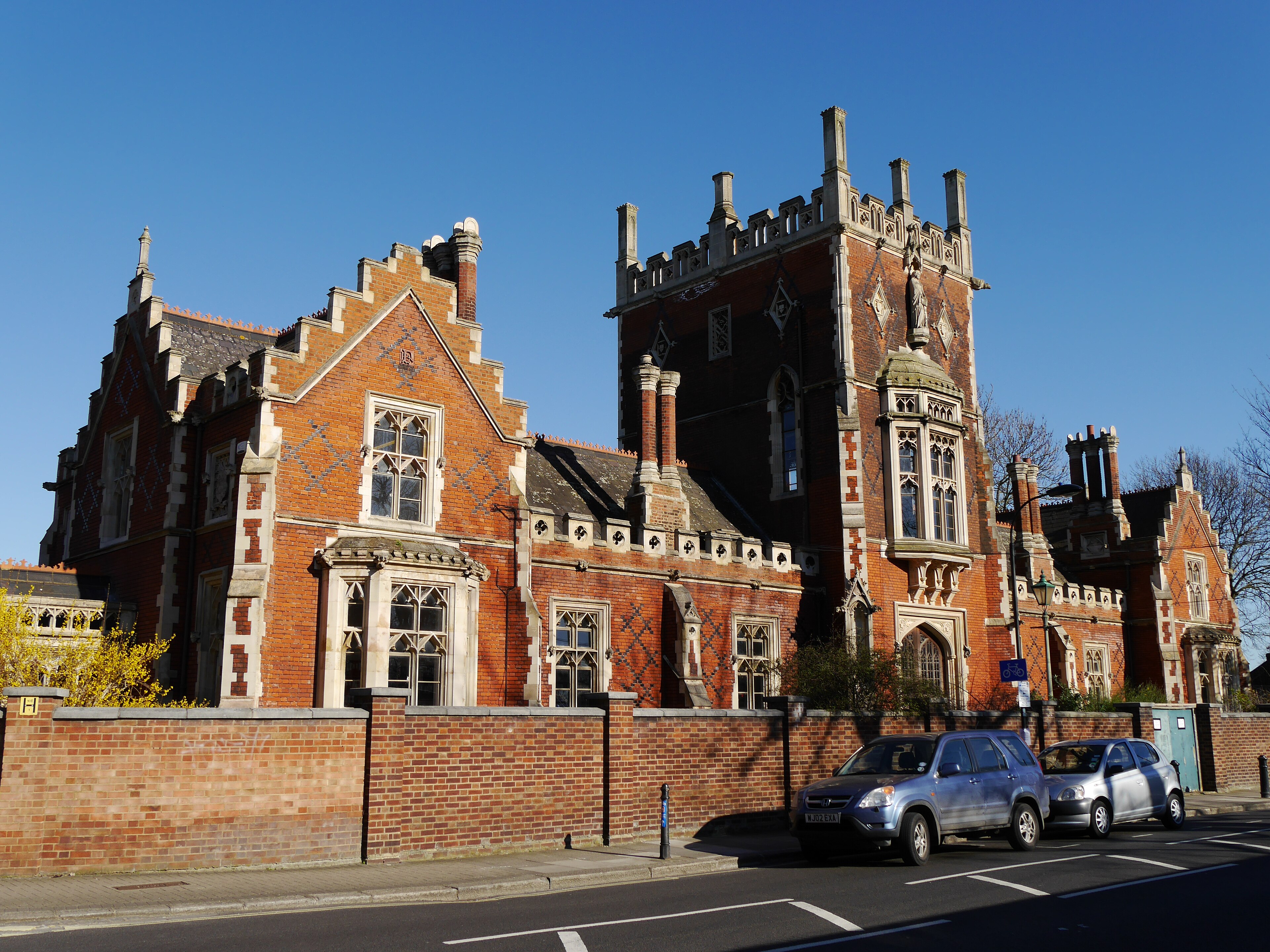
A Grade II listed Gothic Revival building on Broomhouse Lane, the Castle Club began as a philanthropic school and evolved into a community youth space, bearing the legacy of one of Britain’s most prominent nineteenth-century families.
At a glance
The Castle Club stands as a Victorian-era conversion of purposeful architecture. Once the Elizabethan Ragged School, it reflects the social conscience of its era and the influence of its founding patron.
History
Built in 1855, the Castle Club began its life as the Elizabethan Ragged School, funded by Laurence Sulivan—grandson of the East India Company chairman. The school was named in honour of Sulivan’s wife Elizabeth, sister of Prime Minister Lord Palmerston, cementing its place within Victorian high society and philanthropic circles.
The building later transformed into a specialized medical institution, serving as a school for tubercular children operated by the London County Council. It subsequently became the Eight Feathers Club before acquiring its current name and identity as the Castle Club, operating as a youth centre.
What you see
Architect Horace Francis designed the structure in the Gothic Revival style, the dominant architectural language of mid-Victorian England. The building retains its listed status, reflecting its architectural and historical merit within London’s urban fabric.
Cultural significance
The Castle Club embodies the Victorian intersection of philanthropy, family influence, and social reform. Its evolution from a school for impoverished children to a health facility and finally a community youth space documents shifting attitudes toward public welfare and education across the nineteenth and twentieth centuries.
Key facts
- Country: United Kingdom
- City: London Borough of Hammersmith and Fulham
- Built: 1855
- Architect: Horace Francis
- Style: Gothic Revival
- Grade II listed
- Coordinates: 51.4682, −0.1969
Practical information & getting there
The Castle Club is located on Broomhouse Lane in Fulham. You can find current opening hours and visit details through the venue’s official channels or local Hammersmith and Fulham council resources.
Sources & resources
Find it on the map
See this place and what’s around it →📷 Become a Cultural Heritage Online photographer
Share your photos of places: they stay published under your name as the author. The more they're seen, the more you get noticed — and soon a contest will reward the most appreciated photos.
Log in or sign up free to add a photoIs this page about you?
This page is read by travellers and heritage enthusiasts who find it on Google. Tell us how you are connected to this place and we will take it from there.