

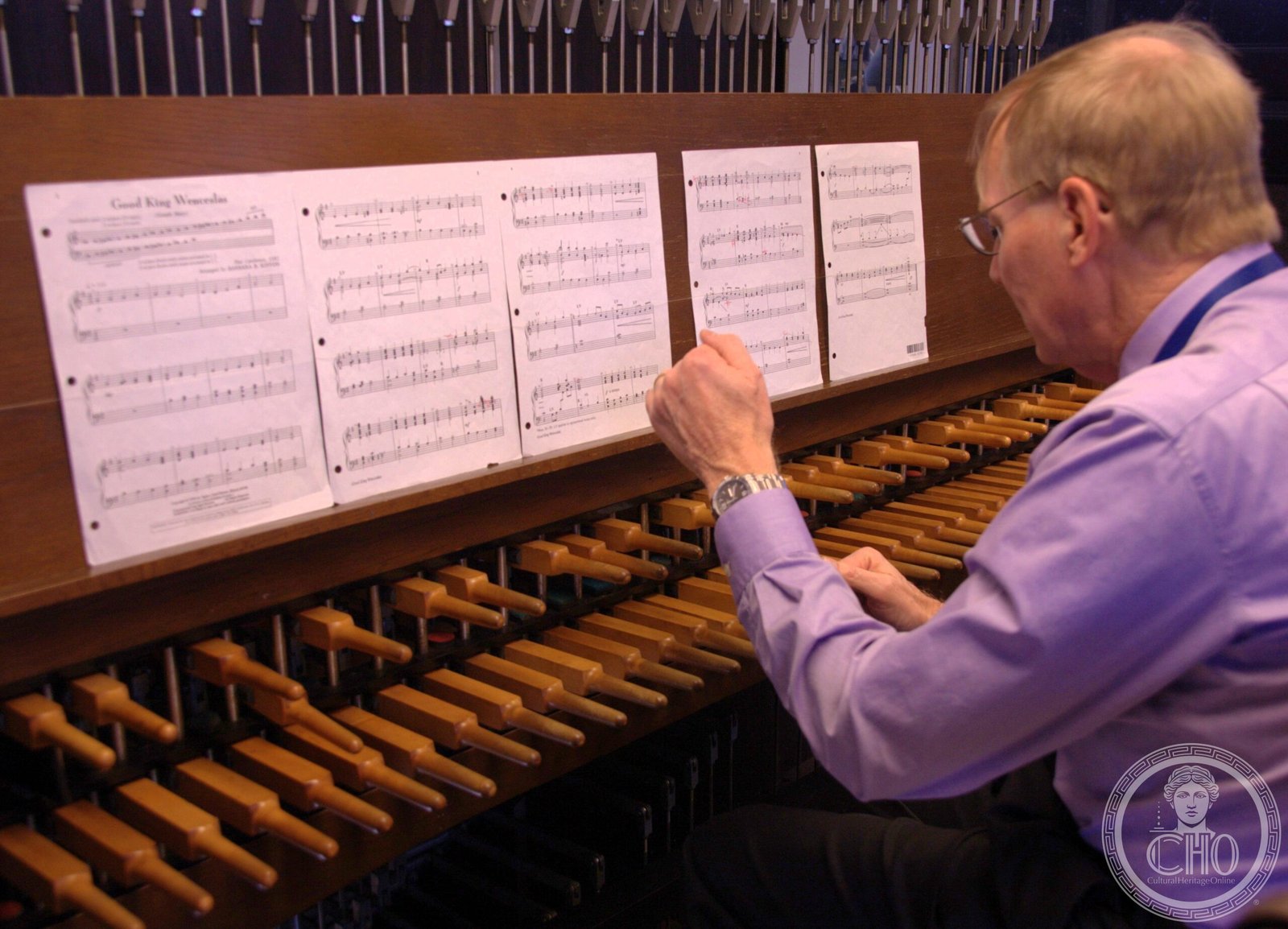
In the bell towers of Belgium and beyond, carillons—massive instruments of cast bronze—ring out centuries of musical tradition. Played by hand and foot on a wooden keyboard, these pitched percussion instruments can weigh over 90 metric tons and fill entire cities with harmony.
At a glance
A carillon is a pitched percussion instrument comprising at least 23 bronze bells, tuned chromatically and suspended in fixed position. The bells are struck by clappers connected to a keyboard of wooden batons operated with both hands and feet. Most carillons weigh between 4.5 and 15 metric tons; the heaviest exceeds 91 metric tons. Standard instruments contain around 50 bells, though the world’s largest has 77. Often housed in church and university bell towers, carillons frequently include automatic systems that announce the time and play simple melodies throughout the day.
Origins and history
The carillon emerged in the Low Countries—present-day Belgium, the Netherlands, and northern France—during the 16th century. The modern tuned carillon was invented in 1644 when Jacob van Eyck and the Hemony brothers cast the first instrument capable of true chromatic harmony. The tradition flourished until the late 18th century, declined during the French Revolution and world wars, then experienced a sustained revival from the late 19th century onward.
The tradition today
Approximately 700 carillons exist worldwide, with the majority concentrated in and around the Low Countries. Nearly 200 have been built in North America; almost all extant instruments date from the 20th century. The appearance of each carillon varies widely depending on the number and weight of its bells and the architecture of its tower—some bells are openly exposed to weather, others sheltered within. About 500 additional instruments incorporating electrified or computerized components exist but are not considered traditional carillons by most registries.
Cultural significance
The carillon represents a unique fusion of architecture, metallurgy, and music—an instrument so vast it becomes part of the urban landscape itself. UNESCO has recognized Belgium’s carillon culture as an intangible cultural heritage and designated 56 historic belfries in Belgium and France as World Heritage Sites, acknowledging the bell towers as monuments to this living tradition. Carillons mark time, celebrate occasions, and anchor communities through sound.
Key facts
- Country: Belgium
- Anchor community: Mechelen
- UNESCO designation: Intangible Cultural Heritage—Safeguarding the carillon culture
- Minimum bells required: 23 (fewer are called “chimes”)
- Standard size: Around 50 bells
- Weight range: 4.5–15 metric tons (typical); up to 91+ metric tons (heaviest)
- Global inventory: Approximately 700 traditional carillons
- Primary locations: Low Countries; ~200 in North America
Where to experience it
Mechelen, in Flanders, is the historical heart of carillon culture and home to the Royal Carillon School. You can hear carillons in bell towers throughout Belgium and the Netherlands, many operated on daily schedules. Church and university towers in cities across Europe and North America also house active carillons. Many communities offer bell-tower visits and recitals; some institutions provide carillon lessons to preserve the tradition.
Sources & resources
- Carillon — Wikipedia
- Cultural Heritage Online
Find it on the map
See this place and what’s around it →📷 Become a Cultural Heritage Online photographer
Share your photos of places: they stay published under your name as the author. The more they're seen, the more you get noticed — and soon a contest will reward the most appreciated photos.
Log in or sign up free to add a photo