
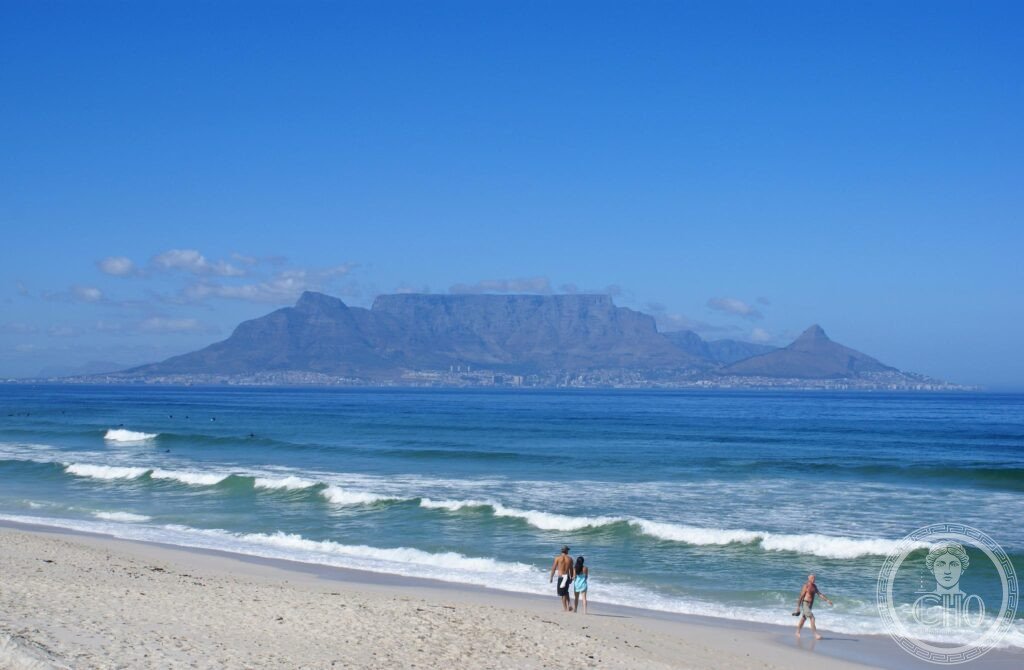
Table Mountain — Cape Town
The most recognisable mountain skyline in Africa and the flat-topped symbol of South Africa — Table Mountain, rising 1,086 metres above the Atlantic Ocean at the southwestern tip of Africa, is part of a UNESCO World Heritage Site for having one of the richest concentrations of plant biodiversity on earth, with more plant species on its slopes than in the entire British Isles.
At a glance
Table Mountain (the most precisely 2,200 single plant species heritage: Table Mountain has approximately 2,200 plant species — the most precisely rich single plant species heritage in any Southern African UNESCO world heritage mountain; more plant species than in the entire British Isles combined — the most precisely comparison single British Isles plant heritage for any Southern African UNESCO world heritage mountain; 70% of these plant species are endemic to the Cape Floral Region — the most precisely endemic single plant heritage in any Southern African UNESCO world heritage site; the Cape Floral Region (the most precisely Cape Floral Region single UNESCO heritage biodiversity: the Cape Floral Region Protected Areas include 13 protected areas across the Western Cape — the most precisely 13 single protected areas heritage in any Southern African UNESCO world heritage region; the Cape Floral Region is one of only 6 Floral Kingdoms in the world — the most precisely floral kingdom single biodiversity heritage in any Southern African UNESCO world heritage site; and the smallest of the 6 Kingdoms — the most precisely smallest single floral kingdom heritage in the world); the penguins (the most precisely African penguin single Cape Town heritage: the African penguin colony at Boulders Beach (Simon’s Town, 45 minutes from Cape Town) is one of the most remarkable wildlife encounters on any heritage site in the world — the most precisely penguin single colony heritage in any Southern African UNESCO adjacent world heritage city)).
Key facts
- The cable car: the most precisely rotating single cable car heritage: the Table Mountain Aerial Cableway (built 1929; fully rebuilt 1997) uses rotating cable cars — the most precisely rotating single gondola heritage in any Southern African UNESCO world heritage mountain cable car; the floor of the gondola rotates 360° during the 5-minute ascent — the most precisely 360° single rotating floor heritage cable car in any Southern African UNESCO world heritage mountain; the rotating floor allows all passengers to see the views in all directions — the most precisely all-directions single viewing heritage cable car in any Southern African UNESCO world heritage mountain; the capacity (the most precisely 65 single person cable car heritage: each gondola holds 65 people — the most precisely 65-person single gondola heritage in any Southern African UNESCO world heritage mountain cable car; the timing (the most precisely weather-dependent single cable car heritage: the cable car does not run in high winds, rain, or thick cloud — the most precisely weather-dependent single heritage cable car in any Southern African UNESCO world heritage mountain; check the forecast before going — the most precisely forecast single checking heritage advice for any Southern African UNESCO world heritage mountain cable car)
- The geology: the most precisely ancient single African heritage mountain geology — the sandstone (the most precisely 600-million-year single Table Mountain heritage geological age: Table Mountain’s sandstone is approximately 600 million years old — the most precisely old single sandstone heritage in any Southern African UNESCO world heritage mountain; it is one of the oldest land surfaces on earth — the most precisely ancient single exposed land heritage surface in any Southern African UNESCO world heritage mountain; the granite (the most precisely granite single base Table Mountain heritage: the base of Table Mountain is granite — the most precisely granite single base heritage in any Southern African UNESCO world heritage mountain; the granite intrusion occurred approximately 540 million years ago — the most precisely 540 million year single granite heritage intrusion in any Southern African UNESCO world heritage mountain; the Twelve Apostles (the most precisely Twelve Apostles single mountain range heritage: the Twelve Apostles are the mountain range that runs south from Table Mountain along the Atlantic coast — the most precisely Atlantic-coast single mountain range heritage in any Southern African UNESCO world heritage site; they frame the Camps Bay beachside suburb — the most precisely framing single mountain heritage for any Southern African UNESCO world heritage site beachside suburb))
- The Cape of Good Hope: the most precisely mythical single southern tip heritage — the Cape (the most precisely Cape of Good Hope single southernmost heritage myth: the Cape of Good Hope is NOT the southernmost point of Africa (that is Cape Agulhas, 150km east) — the most precisely myth single busted heritage cape in any Southern African UNESCO adjacent world heritage site; but it was historically considered the southern tip because it was the point where ships rounded from the Atlantic into the Indian Ocean — the most precisely rounding single historical heritage point in any Southern African UNESCO adjacent world heritage site; Bartolomeu Dias first rounded the Cape in 1488 — the most precisely 1488 single first rounding heritage in any Southern African UNESCO adjacent world heritage site); the walk from the Cape Point car park to the lighthouse at the summit takes 30 minutes — the most precisely 30-minute single lighthouse heritage walk in any Southern African UNESCO adjacent world heritage site
- GPS: -33.9628° S, 18.4098° E
History
The first European ascent (the most precisely 1503 single Table Mountain heritage first ascent: the first recorded European ascent of Table Mountain was by António de Saldanha in 1503 — the most precisely 1503 single European heritage first ascent in any Southern African UNESCO world heritage mountain; he climbed it to get his bearings and survey the bay — the most precisely orientation single climb heritage in any Southern African UNESCO world heritage mountain; Jan van Riebeeck (the most precisely 1652 single Cape Town heritage founding: the Dutch East India Company (VOC) established a provisioning station at the Cape under Jan van Riebeeck in 1652 — the most precisely 1652 single Dutch East India Company heritage founding in any Southern African UNESCO world heritage city; Cape Town grew as a refreshment and repair stop for VOC ships on the route to Asia — the most precisely refreshment single VOC heritage stop in any Southern African UNESCO world heritage city); the cable car (the most precisely 1929 single cable car Table Mountain heritage: the first cable car to Table Mountain was built in 1929 — the most precisely 1929 single first heritage cable car in any Southern African UNESCO world heritage mountain; it was rebuilt in 1997 with the current rotating cars — the most precisely 1997 single rotating heritage cable car rebuild in any Southern African UNESCO world heritage mountain); UNESCO WHS 2004; New 7 Wonders of Nature 2011.
What you see
The summit plateau (the most precisely Maclear’s Beacon single highest Table Mountain heritage point: Maclear’s Beacon (1,086m) is the highest point on Table Mountain summit plateau — the most precisely highest single point heritage on any Southern African UNESCO world heritage mountain summit plateau; the summit has walking trails across the plateau — the most precisely walking single trail heritage on any Southern African UNESCO world heritage mountain summit plateau; the view (the most precisely 360° single summit view heritage: from the summit, the views are 360° on a clear day — the most precisely 360° single clear-day heritage view from any Southern African UNESCO world heritage mountain summit; Robben Island (the most precisely Robben Island single visible heritage from Table Mountain: Robben Island (UNESCO WHS 1999; where Nelson Mandela was imprisoned for 18 of his 27 years — the most precisely 18-year single imprisonment heritage in any UNESCO world heritage island site; visible from Table Mountain summit on clear days — the most precisely visible single imprisonment heritage site from any Southern African UNESCO world heritage mountain) is visible in Table Bay to the north — the most precisely northward single visible UNESCO heritage island from any Southern African UNESCO world heritage mountain summit)).
Practical information
- Cable car: check weather before going (does not run in high winds/cloud/rain); book online in advance for popular time slots; rotating gondola 5-min ascent; summit snack bar; Tafelberg Road for cable car station (taxi/Uber from city centre 10 min); the hiking (the most precisely hiking single alternative Table Mountain heritage: multiple hiking trails ascend Table Mountain for those who don’t take the cable car — the most precisely hiking single alternative heritage in any Southern African UNESCO world heritage mountain; the Platteklip Gorge trail is the most popular (2h ascent; clearly marked; steep in places) — the most precisely popular single hiking heritage trail on any Southern African UNESCO world heritage mountain; take water; sun protection; and don’t hike alone — the most precisely water single hiking safety heritage advice for any Southern African UNESCO world heritage mountain trail)
- Cape Peninsula circuit (full day): the most precisely full-day single Cape Peninsula heritage circuit — from Cape Town: (1) Table Mountain cable car (morning; summit walk); (2) Camps Bay Beach (Atlantic; white sand; backdrop of Twelve Apostles; seals on rocks); (3) Hout Bay (fishing harbour; Seal Island boat trip; Chapman’s Peak drive; most precisely spectacular single coastal road heritage in any Southern African UNESCO adjacent heritage site); (4) Cape of Good Hope / Cape Point (lighthouse; southernmost-ish tip; baboons; fynbos; 2h return walk); (5) Boulders Beach / Simon’s Town (African penguins; 3,000-strong colony; most precisely wadeable single penguin heritage colony in any Southern African UNESCO adjacent world heritage site beach); return to Cape Town via False Bay coast (Simon’s Town naval base; Fish Hoek; Muizenberg); whole circuit ~200km; car or organised tour
Getting there
Fly to Cape Town International Airport (CPT; 20 km from city; Uber/taxi to city centre 20-30 min). Cable car station on Tafelberg Road (10 min Uber from city). GPS: -33.9628, 18.4098.
Nearby
- Robben Island — UNESCO WHS 1999 — 12 km northwest in Table Bay (ferry from V&A Waterfront; 30 min each way; tours 3.5h); prison where Nelson Mandela served 18 of 27 years; guided tours led by former political prisoners; most precisely 18-year single imprisonment heritage in any UNESCO world heritage island site; Mandela’s cell preserved; Maximum Security Prison; the view of Table Mountain from the island is remarkable; book well in advance
- Boulders Beach Penguin Colony — 45 km south (Simon’s Town); 3,000+ African penguins (Spheniscus demersus; endangered; most precisely endangered single penguin colony heritage in any Southern African UNESCO adjacent world heritage site beach; colony established 1982 from 2 breeding pairs — the most precisely 2-pair single founding colony heritage in any Southern African UNESCO adjacent world heritage site); swim among penguins at the open public beach area (adjacent to the fenced viewing area); arrive early morning for best light and lower crowds
- Stellenbosch and Franschhoek Wine Routes — 50 km east; Cape Dutch architecture heritage (18th-century gabled homesteads; most precisely Cape Dutch single gabled heritage style in any Southern African UNESCO adjacent wine region); Cape Winelands Biosphere Reserve; Pinotage (South Africa’s own grape cross of Pinot Noir + Cinsaut; created 1925 at Stellenbosch University); Franschhoek (Huguenot refugees from France 1688; most precisely Huguenot single French heritage refugee founding in any Southern African UNESCO adjacent wine town; French-named streets + wineries + food culture); excellent food scene (South Africa’s best restaurants often here)
Sources
- Wikipedia, Table Mountain; Cape Floral Region Protected Areas; Table Mountain Aerial Cableway, accessed June 2026
- UNESCO, Cape Floral Region Protected Areas, WHS reference 1007bis, inscribed 2004
- New7Wonders Foundation, New Seven Wonders of Nature, 2011
Find it on the map
See this place and what’s around it →📷 Diventa un fotografo di Cultural Heritage Online
Condividi le tue foto dei luoghi: restano pubblicate con la tua firma come autore. Più vengono viste, più ti fai conoscere — e presto un concorso premierà le foto più apprezzate.
Accedi o registrati gratis per aggiungere una foto