
Three preserved sites of mass detention, torture, and execution under the Khmer Rouge regime (1975–1979) have been transformed into spaces of remembrance, learning, and reflection on one of the twentieth century’s gravest genocides.
At a glance
The Cambodian Memorial Sites comprise three distinct locations: the former M-13 prison (an early center of repression), Tuol Sleng Genocide Museum (the notorious S-21 prison), and Choeung Ek Genocidal Center (the primary execution site). Together they document the systematic violence perpetrated by the Khmer Rouge between 1975 and 1979, when an estimated two million Cambodians perished. These memorials now stand as testament to both the horrors of totalitarianism and the resilience of Cambodia’s people.
History
Under Khmer Rouge rule, these sites functioned as instruments of terror. M-13 served as an early detention center during the regime’s consolidation of power. S-21, housed in a former school, became the regime’s most notorious interrogation and torture facility, where tens of thousands were imprisoned and killed. Choeung Ek operated as the primary execution ground where victims from S-21 were transported and murdered. Since the regime’s fall, all three locations have been carefully preserved and transformed into educational memorials dedicated to documenting this dark chapter and honoring the victims.
What you see
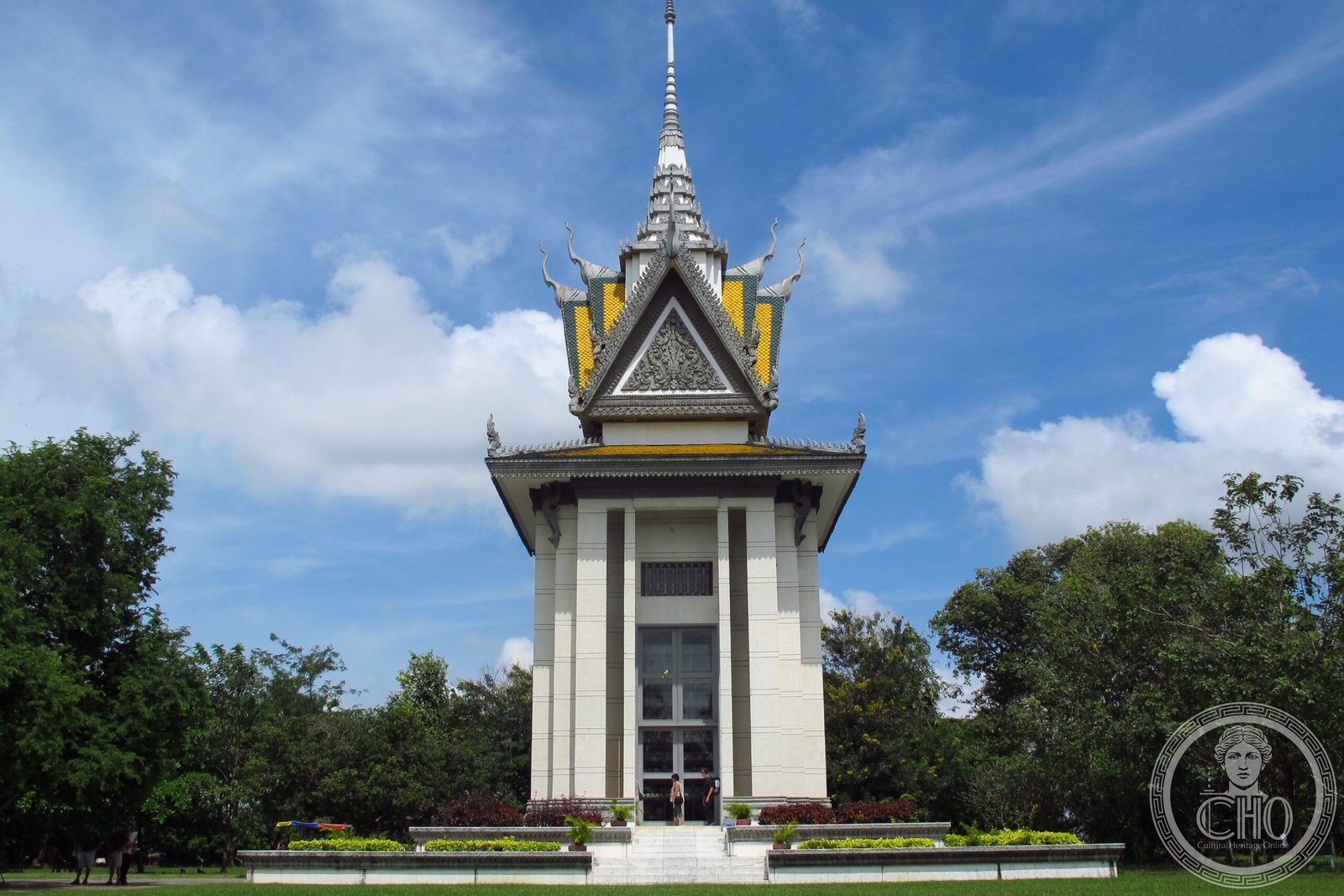
The sites retain their original structures and layouts. Tuol Sleng occupies a former high school building with interrogation cells, torture instruments, and photographs of victims. Choeung Ek, situated in an open field approximately fifteen kilometers southwest of Phnom Penh, contains mass graves, a stupa containing human remains, and walking paths through the memorial grounds. M-13, though less extensively documented than the other two, preserves evidence of early Khmer Rouge violence.
Cultural significance
These memorials serve critical functions: they preserve testimony to genocide, educate visitors about the dangers of totalitarianism, and provide space for mourning and reflection. UNESCO’s recognition affirms the international importance of safeguarding Cambodia’s painful history and raising global awareness about mass violence. For Cambodians, the sites represent acknowledgment of collective trauma and a commitment to preventing future atrocities.
Key facts
- Country: Cambodia
- City: Phnom Penh
- Coordinates: 11.5494°N, 104.9178°E
- UNESCO World Heritage Site: Yes
- Period: 1975–1979 (Khmer Rouge regime); memorialized since 1979
Practical information & getting there
All three sites are accessible to visitors in Phnom Penh. Tuol Sleng Genocide Museum and M-13 are located within the city; Choeung Ek lies approximately fifteen kilometers to the southwest. You can reach the sites by taxi, tuk-tuk, or organized tours. Guides are available at each location. Many visitors choose to tour all three in a single day. We recommend allowing several hours for each site, as the emotional and historical weight of these memorials merits careful attention.
Sources & resources
Find it on the map
See this place and what’s around it →📷 Become a Cultural Heritage Online photographer
Share your photos of places: they stay published under your name as the author. The more they're seen, the more you get noticed — and soon a contest will reward the most appreciated photos.
Log in or sign up free to add a photo