
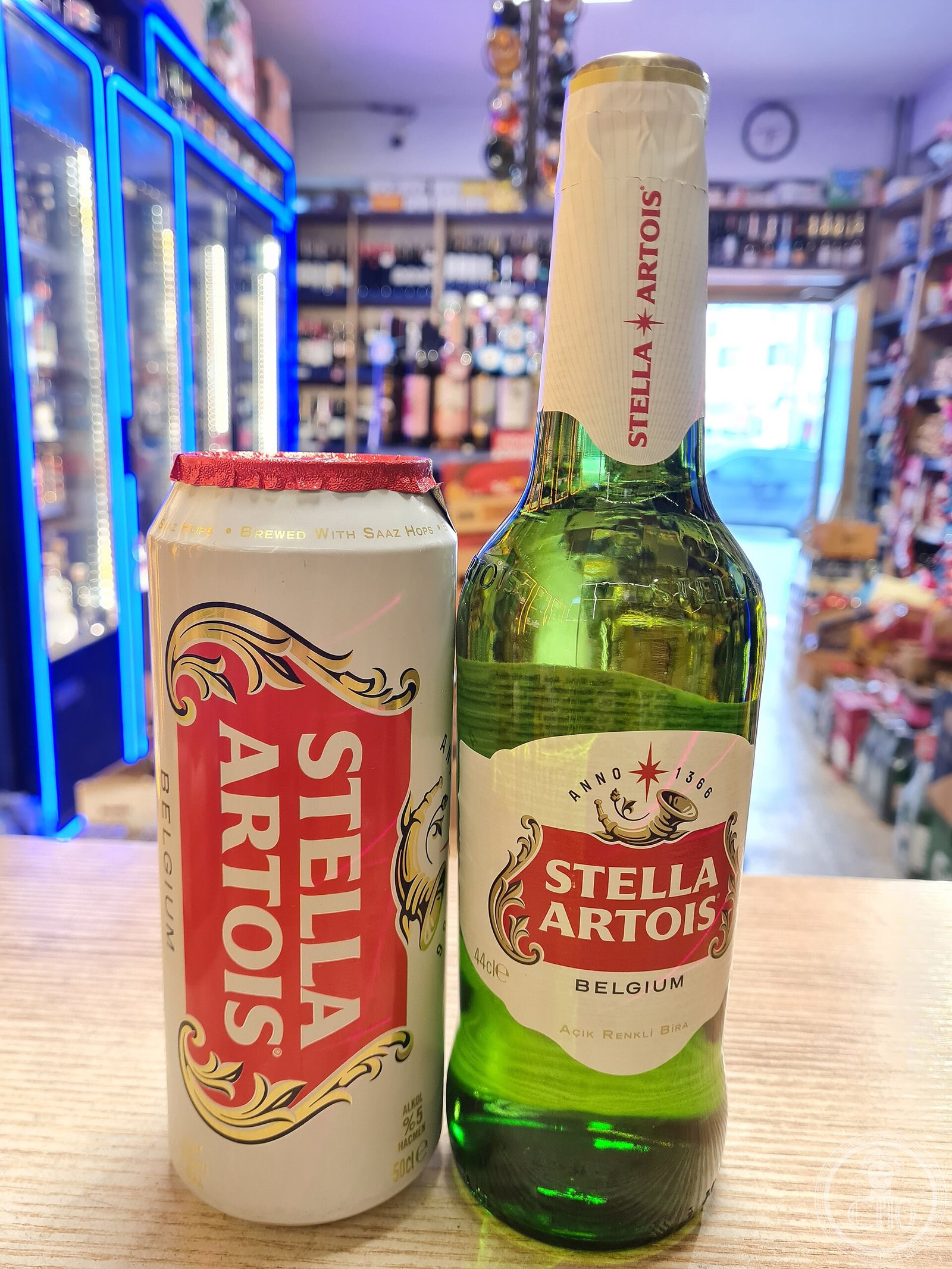
Belgium’s brewing heritage spans centuries, encompassing abbey beers, lambics, pilsners, and Trappist ales. In 2016, UNESCO recognized this diverse tradition as intangible cultural heritage of humanity.
At a glance
Belgian beer culture represents far more than beverage production. It reflects monastic traditions, regional identity, and artisanal craft sustained across generations. Today, 411 active breweries—from international corporations to monastery communities to small independents—maintain this living legacy, producing over 1,600 distinct beers.
Origins and history
Brewing in Belgium developed over centuries, deeply rooted in monastic practice. Trappist monks established breweries as part of their communities, creating ales that remain benchmarks of quality. Regional styles emerged across Flanders and Wallonia: tart lambics fermented with wild yeasts in the Senne Valley; complex abbey ales; rich brown ales. By 1900, Belgians consumed approximately 200 litres per person annually, reflecting beer’s centrality to daily life and social custom.
The tradition today
Contemporary Belgian brewing balances heritage with innovation. Trappist monasteries continue centuries-old practices, their beers sold to support monastic communities. Microbreweries experiment within traditional frameworks, reviving historic styles and creating new expressions. The craft remains embedded in Belgium’s social fabric: cafés serve specific beers in vessel-appropriate glassware; seasonal brews mark the calendar; brewing knowledge passes through families and guild traditions.
Current consumption averages 68 litres per person annually, representing approximately 30% of Belgium’s total beer production. Despite lower per-capita consumption than a century ago, the diversity and quality of Belgian beer has expanded dramatically.
Cultural significance
Belgian beer culture encodes history, geography, and values. Abbey beers represent the continuity of monastic life; lambics embody fermentation knowledge accumulated over generations; pilsners demonstrate Belgium’s engagement with modern brewing science. This diversity reflects Belgium’s linguistic and regional complexity, with distinct beer traditions in Flanders and Wallonia. UNESCO’s 2016 inscription acknowledged beer culture as inseparable from Belgian identity, social practice, and knowledge systems.
Key facts
- Country: Belgium
- Anchor community: Brussels
- UNESCO inscription: Beer culture in Belgium, Representative List of the Intangible Cultural Heritage of Humanity (2016)
- Active breweries: 411 as of 2024
- Unique beers in circulation: Over 1,600
- Major styles: Abbey beers, lambics, pilsners, Flemish red ales, sour brown ales, Trappist ales, wheat beers
Where to experience it
You can visit active breweries and Trappist monasteries throughout Belgium, many offering tours and tastings. Belgian cafés—from grand beer halls to intimate neighbourhood establishments—serve regional styles in traditional glassware. Museums in Brussels and regional cities document brewing history. The annual Belgian Beer Weekend and numerous local festivals celebrate this heritage year-round.
Sources & resources
- Beer in Belgium (Wikipedia)
- Cultural Heritage Online
Find it on the map
See this place and what’s around it →📷 Become a Cultural Heritage Online photographer
Share your photos of places: they stay published under your name as the author. The more they're seen, the more you get noticed — and soon a contest will reward the most appreciated photos.
Log in or sign up free to add a photo