

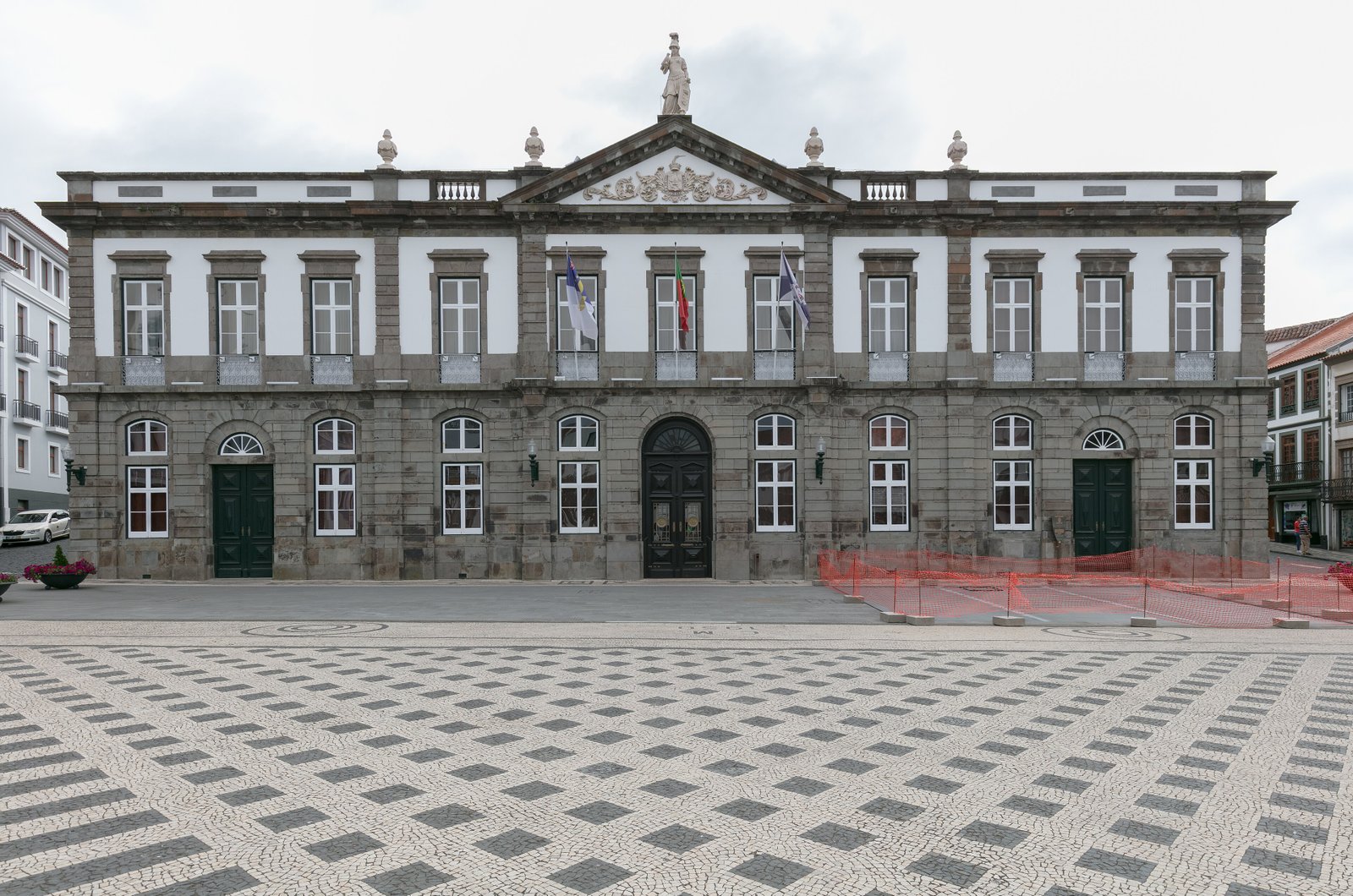
The historic capital of the Azores, this Portuguese city witnessed centuries of Atlantic trade, religious authority, and political upheaval from its founding in 1478.
At a glance
Angra do Heroísmo stands on Terceira Island as one of three capital cities of the Azores archipelago. Once Portugal’s most significant outpost in the Atlantic, it served as the seat of the Bishop of the Azores and functioned briefly as the nation’s capital during the turbulent Liberal Wars of the 19th century.
History
Founded in 1478, Angra quickly became the administrative and religious heart of the Azores. Its strategic location along Atlantic shipping routes brought wealth and influence through the centuries. The city’s historical prominence extended beyond the archipelago: during Portugal’s Liberal Wars, it served as the capital city, a testament to its political importance during a period of national division and conflict.
What you see
The city’s urban fabric reflects its layered history. Colonial-era buildings, fortifications, and ecclesiastical structures line streets shaped by centuries of maritime commerce. Details specific to the architectural character of particular quarters or landmarks are best explored on site.
Cultural significance
Angra do Heroísmo embodies the historical intersection of European and Atlantic worlds. Its role as bishop’s seat gave it religious authority across the Azores; its role as wartime capital underscores the pivotal struggles that shaped modern Portugal. UNESCO recognized this layered significance in 1983.
Key facts
- Founded: 1478
- Located on: Terceira Island
- Country: Portugal
- UNESCO World Heritage Site: 1983
- Coordinates: 38.66°N, 27.22°W
- Municipality area: 239 km²
Practical information & getting there
Angra do Heroísmo is accessible by air and sea to Terceira Island, which lies in the central Azores. As a UNESCO World Heritage Site, the city welcomes visitors year-round. Local tourism resources can advise on accommodation, guided tours, and seasonal events.
Sources & resources
Find it on the map
See this place and what’s around it →📷 Become a Cultural Heritage Online photographer
Share your photos of places: they stay published under your name as the author. The more they're seen, the more you get noticed — and soon a contest will reward the most appreciated photos.
Log in or sign up free to add a photo