Within two hours and fifteen minutes of Rome, six UNESCO World Heritage Sites span two millennia of civilisation — from a buried Roman city entombed by volcanic ash to a Bourbon palace larger than Versailles and a Renaissance garden whose waters still play music. From Cultural Heritage Online.
Historic Centre of Rome City centre — Metro A and B
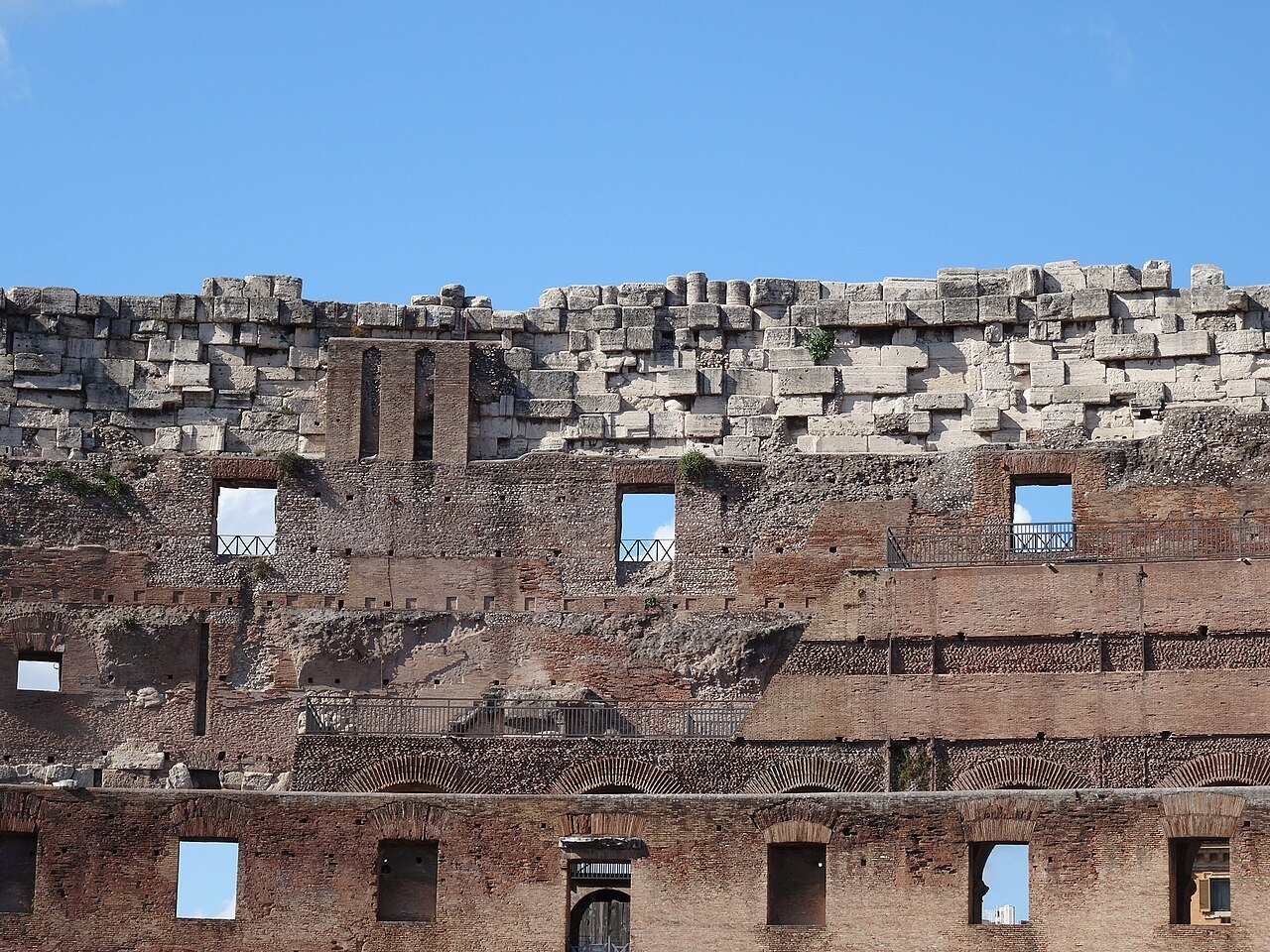
Inscribed in 1980, the Historic Centre of Rome encompasses the accumulated layers of a city that shaped Western architecture, law, and culture across twenty-eight centuries. The Colosseum alone is the most visible measure of Roman ambition: an elliptical amphitheatre begun under Emperor Vespasian in AD 72 and completed under Titus in AD 80, built from travertine limestone and Roman concrete, capable of holding between 50,000 and 80,000 spectators — the largest ancient amphitheatre ever constructed. Step inside the arena and the sheer drop of the tiered arches above creates a vertigo that no reproduction conveys. Beyond the Colosseum, the Palatine Hill, the Roman Forum, the Pantheon (its unreinforced concrete dome still the world’s largest after two thousand years), and seventeen churches on the UNESCO list form a circuit that rewards repeated visits. The site includes the properties of the Holy See and the Basilica of San Paolo Fuori le Mura.
Getting there: Metro Line B to Colosseo; Metro Line A to Spagna or Barberini for the historic core. Allow: A full day. Best for: Visitors who want the greatest concentration of World Heritage monuments within walking distance, without leaving the city.
Villa Adriana (Hadrian’s Villa), Tivoli 1 hr by COTRAL bus from Ponte Mammolo Metro
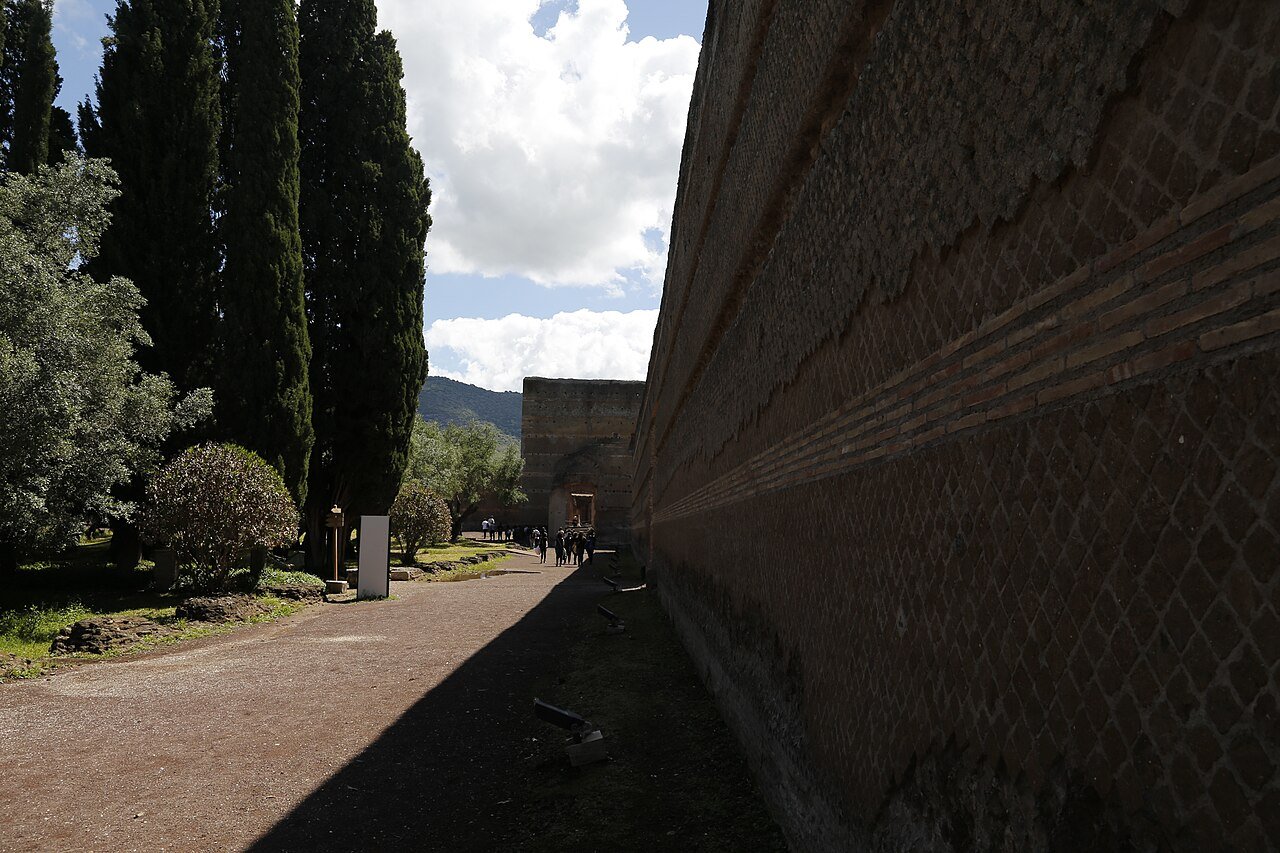
Inscribed in 1999, Hadrian’s Villa is not a villa in any conventional sense. Built around AD 120 by Emperor Hadrian (r. 117–138), it covers roughly 80 hectares in the foothills east of Rome and encompasses more than 30 monumental buildings arranged across artificial terraces linked by underground service passages. Hadrian, himself an architect of some accomplishment, designed curved forms in Roman concrete that engineering historians consider unmatched until the Baroque period. The Maritime Theatre — a circular island library ringed by a moat and a colonnaded walkway — was used by the emperor as a private retreat; standing at its edge, the silence within the curved colonnade is startling against the open countryside outside. The site remains only partially excavated, and the mosaic pavements, nymphaea, and reflective pools of the Canopus basin hint at a complex far larger than what stands above ground today.
Getting there: Metro Line B to Ponte Mammolo, then COTRAL bus to Tivoli (direction Villa Adriana stop); journey approximately one hour. Allow: 3–4 hours. Best for: Travellers interested in Roman imperial architecture who want an open-air site with manageable crowds and genuine archaeological atmosphere.
Villa d’Este, Tivoli 1 hr by COTRAL bus — combine with Villa Adriana
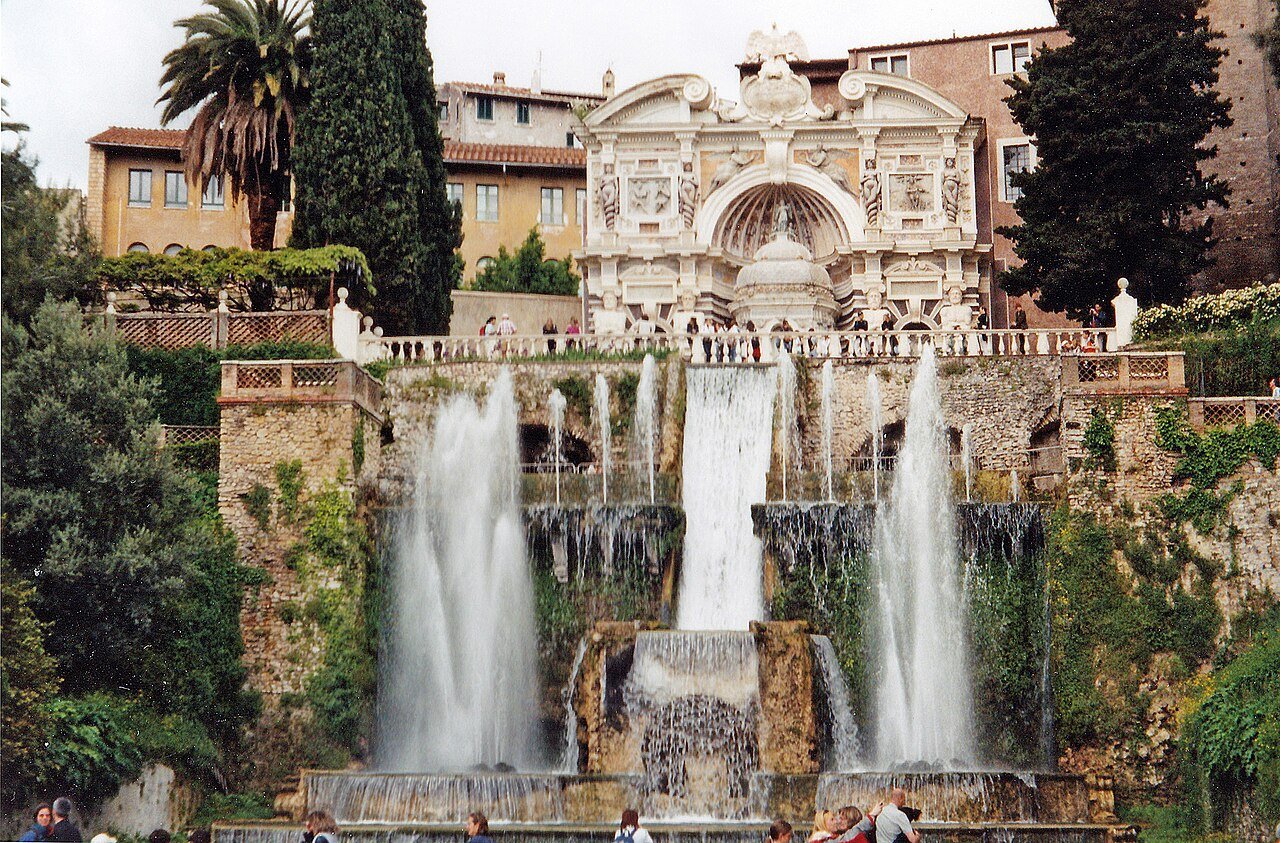
Inscribed in 2001, the Villa d’Este represents one of the defining achievements of the Italian Renaissance garden. Cardinal Ippolito II d’Este (1509–1572) — son of the Duke of Ferrara, five-time papal candidate, and patron of Benvenuto Cellini and Torquato Tasso — commissioned architect Pirro Ligorio to transform a Benedictine monastery and its hillside into a demonstration of humanist philosophy through water, stone, and geometry. Ligorio, who had studied Hadrian’s Villa directly below in the valley, engineered an elaborate hydraulic system that drives hundreds of fountains without mechanical pumps. The sound strikes visitors first: the garden is never silent, its terraces filled with the roar and whisper of water channelled from the River Aniene. The Organ Fountain, whose water-powered pipe organ fell silent for centuries, was restored and now performs again daily for visitors. Tivoli’s two UNESCO sites occupy different parts of town; local buses connect them in under fifteen minutes.
Getting there: COTRAL bus to Tivoli town centre; Villa d’Este is a short walk from the main square. Allow: 2 hours. Best for: Those who want to pair garden history with ancient Rome in a single day trip, arriving first at Villa Adriana and ending at Villa d’Este before the afternoon crowds thin.
Archaeological Areas of Pompeii 2 hrs 15 min — Frecciarossa to Naples + Circumvesuviana
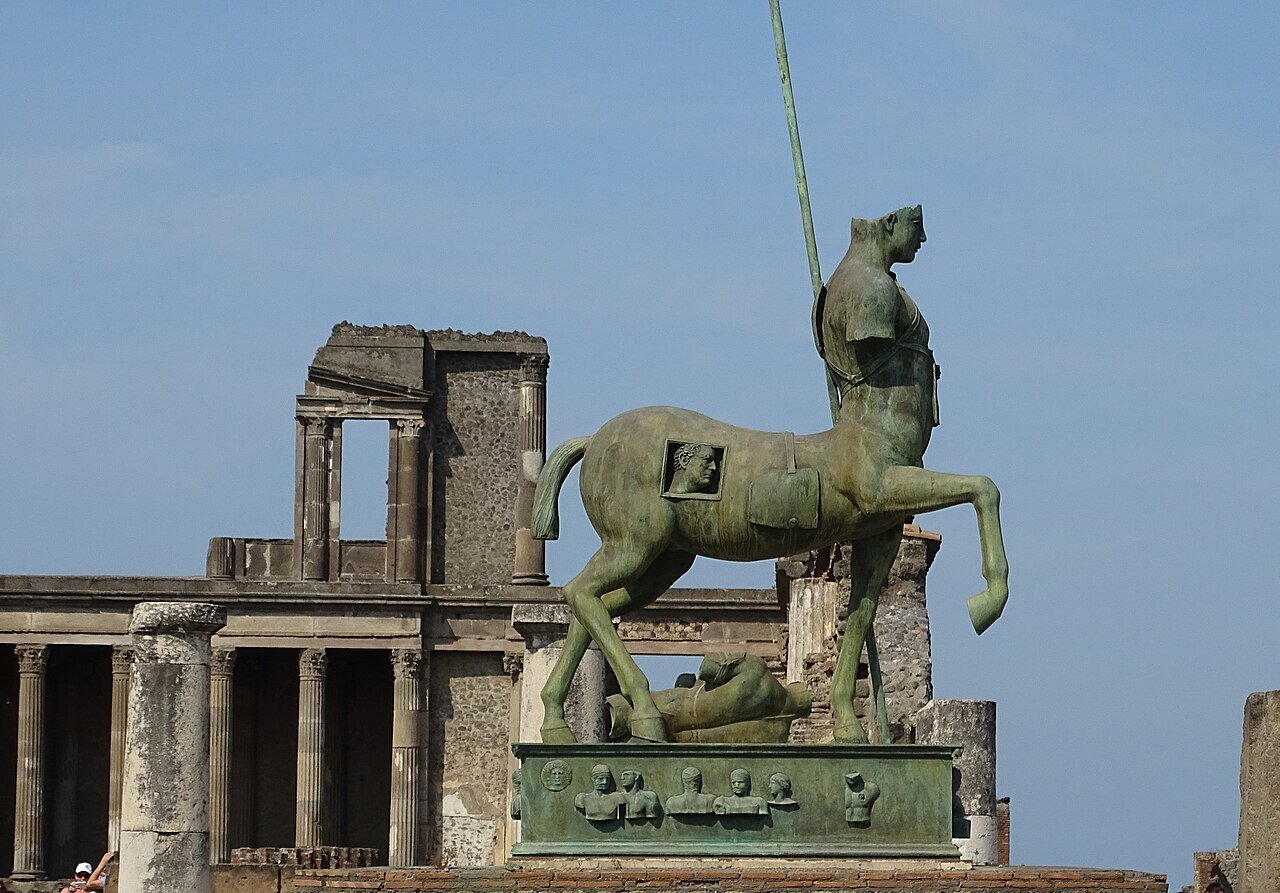
Inscribed in 1997 as part of a broader site that includes Herculaneum and the surrounding villas, Pompeii is the most complete Roman city that survives anywhere in the world. The eruption of Vesuvius in AD 79 buried the city under 4 to 6 metres of volcanic ash and pumice; the catastrophe that killed its population preserved its streets, frescoes, food stalls, political graffiti, and garden walls with a fidelity that no deliberate conservation effort could have achieved. Standing in the Forum with Vesuvius still visible on the skyline — the same mountain, exactly the same profile — connects the present moment to the ancient disaster in a way that photographs do not prepare visitors for. Excavations have uncovered approximately two-thirds of the city; the remaining third is deliberately left unexcavated, preserving archaeological material for future methods. The Great Pompeii Project, ongoing since 2012, continues to make significant new discoveries.
Getting there: Frecciarossa from Roma Termini to Napoli Centrale (approximately 1 hr 10 min), then Circumvesuviana train to Pompei Scavi–Villa dei Misteri (approximately 40 min); total journey around 2 hrs 15 min. Allow: Half a day minimum. Best for: Anyone making the trip to southern Italy who can allocate a full morning — the site rewards early arrival before midday heat and tour-group peaks.
Historic Centre of Naples 1 hr 10 min by Frecciarossa to Napoli Centrale
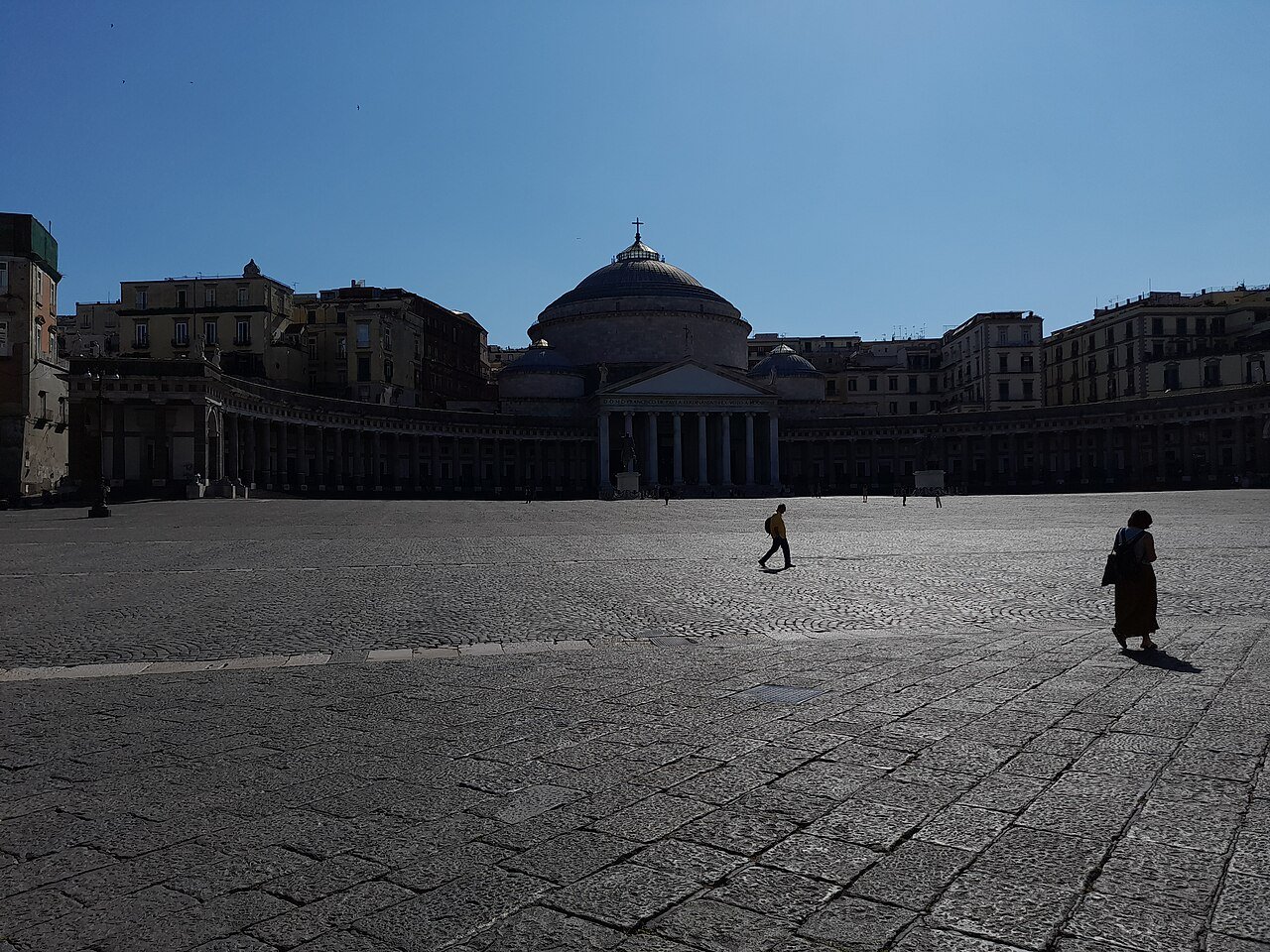
Inscribed in 1995, the historic centre of Naples holds more than 2,700 years of continuous urban history within its street plan — one of the oldest in Europe. The ancient Greek city of Neapolis, founded in the fifth century BC, laid out a grid of three main east–west decumani that Spaccanapoli follows to this day; the street slices the city in a nearly perfect straight line for two kilometres, a visible geological and historical document beneath the laundry and the motorbikes. Within this grid stand some 400 churches — a density unmatched in any other European city — alongside Greco-Roman ruins, medieval fortresses, Spanish Baroque palaces, and the catacombs of San Gennaro beneath the hill of Capodimonte. The archaeological museum holds the finest collection of Roman-era finds from Pompeii and Herculaneum, making it an essential complement to any visit to the buried cities. Naples rewards those who walk without a fixed itinerary.
Getting there: Frecciarossa from Roma Termini to Napoli Centrale; journey approximately 1 hr 10 min. Allow: 4–5 hours. Best for: Travellers who want a living city experience as counterpoint to Pompeii, or who prefer depth of urban culture to archaeological excavation.
Royal Palace of Caserta 1 hr 20 min by Frecciarossa to Caserta
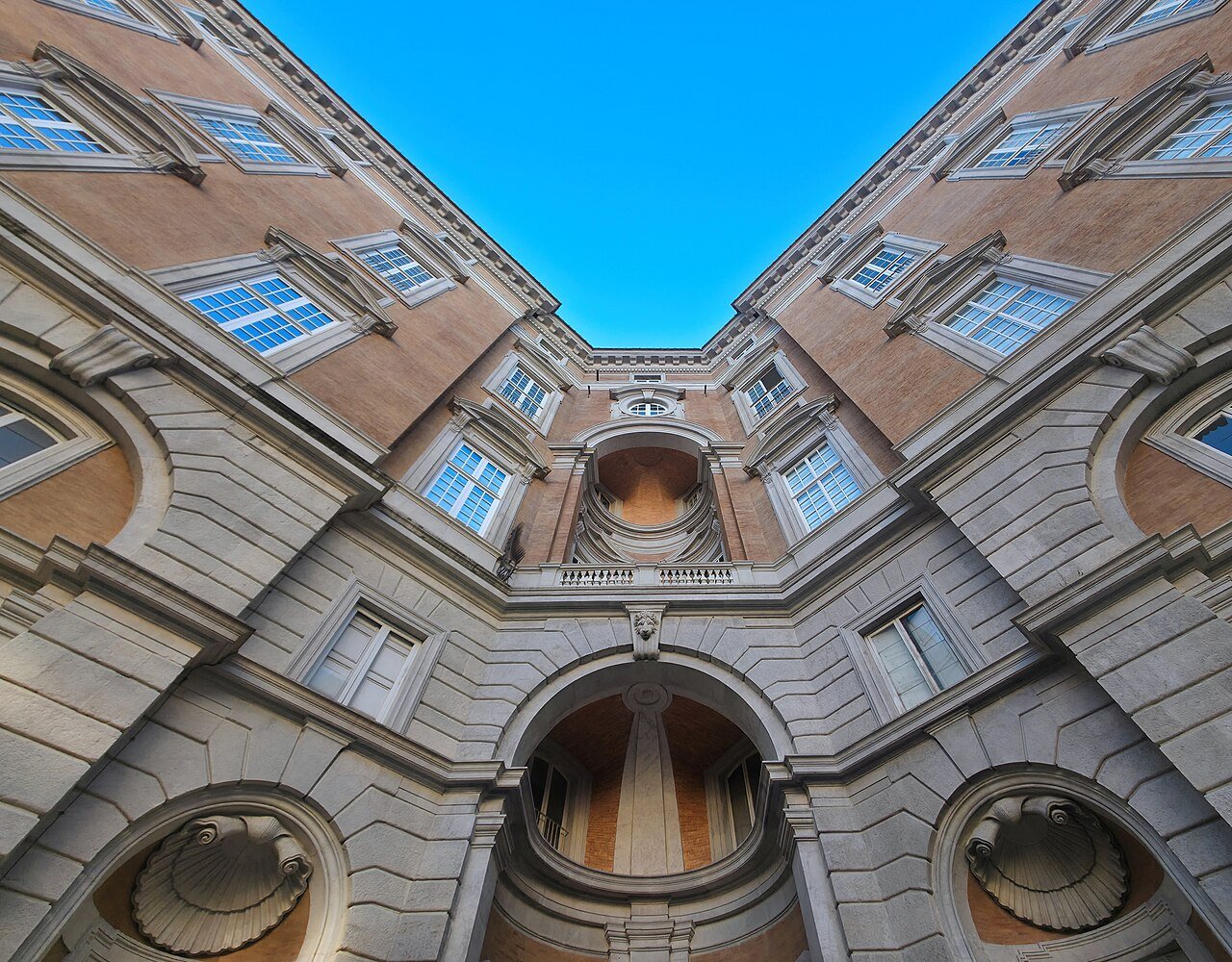
Inscribed in 1998, the Royal Palace of Caserta is the largest royal residence in the world by volume, and one of the defining buildings of European late Baroque architecture. Commissioned by Charles VII of Naples and designed by architect Luigi Vanvitelli — construction began in 1752 — the palace was conceived as a complete administrative capital: a building that would house the court, the university, a museum, a library, military commands, and bureaus of government under a single roof. The numbers are difficult to hold in mind: 1,200 rooms across 130,000 square metres of floor space; 1,742 windows; 34 staircases; four interior courtyards large enough to manoeuvre cavalry. The park extends for three kilometres behind the palace, its central axis rising through a sequence of cascades and mythological fountain groups — Venus and Adonis, Diana and Actaeon — to a grand waterfall fed by the Aqueduct of Vanvitelli, built to bring water 41 kilometres from the Apennines. The palace is a ten-minute walk from Caserta railway station.
Getting there: Frecciarossa from Roma Termini to Caserta; journey approximately 1 hr 20 min (change at Napoli if no direct service). Allow: 3–4 hours. Best for: Visitors interested in European royal architecture who want the Versailles scale without the Versailles queues — Caserta remains significantly less visited than its French counterpart despite comparable ambition.
Frequently Asked Questions
How many UNESCO World Heritage Sites are near Rome?
Six UNESCO World Heritage Sites are reachable from Rome within approximately two hours and fifteen minutes by public transport or car. They include the Historic Centre of Rome itself (inscribed 1980), Villa Adriana and Villa d’Este in Tivoli (inscribed 1999 and 2001 respectively), the Archaeological Areas of Pompeii (1997), the Historic Centre of Naples (1995), and the Royal Palace of Caserta (1998).
What is the closest UNESCO World Heritage Site to Rome?
The Historic Centre of Rome is itself a UNESCO World Heritage Site, inscribed in 1980 together with the properties of the Holy See and the Basilica of San Paolo Fuori le Mura. For sites outside the city, Villa Adriana and Villa d’Este in Tivoli are the closest — reachable in approximately one hour by COTRAL bus from Ponte Mammolo Metro station on Line B.
Can I visit Villa Adriana and Villa d’Este on the same day?
Yes. Both sites are in Tivoli and local buses connect them in under fifteen minutes. The standard approach is to arrive at Villa Adriana when it opens in the morning, allow three to four hours for the 80-hectare archaeological complex, then take the bus up to Villa d’Este in the early afternoon. The two sites together fill a full day comfortably, with time to eat in Tivoli town centre between visits.
Is it worth going to Pompeii as a day trip from Rome?
Pompeii is the furthest site in this guide and requires the most transit time — approximately two hours and fifteen minutes each way, combining the Frecciarossa high-speed train to Naples and the Circumvesuviana regional train to Pompei Scavi. The journey is straightforward and the site justifies the effort: no other place in the world offers a comparably intact Roman city at street level. An early start from Roma Termini allows a full morning at the site before the afternoon heat.
Sources used in this article
- UNESCO World Heritage Centre — World Heritage List.
- Wikipedia — Colosseum.
- Wikipedia — Hadrian’s Villa.
- Wikipedia — Villa d’Este.
- Wikipedia — Royal Palace of Caserta.
- Wikipedia — Pompeii.
- CHO — Interactive heritage map.
Sources
- S1 — Krautheimer, Richard. Rome: Profile of a City, 312–1308. Princeton University Press, 1980. ISBN 978-0-691-04961-8.
- S2 — Claridge, Amanda. Rome: An Oxford Archaeological Guide. Oxford University Press, 2010. ISBN 978-0-19-954683-1.
Spotted an error? Write to editorial@culturalheritageonline.com and we correct it the same day.