1. The Foundation (1928)
Founded in September 1928, the Sangi Railway in Mie Prefecture was initially established with a highly specific industrial purpose: to transport massive quantities of cement and limestone from the Suzuka Mountains.
2. Development and Industrial Impact
As Japan industrialized, the demand for construction materials skyrocketed. The Onoda Cement Company (now Taiheiyo Cement) required a robust logistics solution to move resources from its inland quarries to the coastal ports. The Sangi Railway was engineered to handle incredibly heavy freight loads over challenging terrain. While freight was its primary raison d’être, it simultaneously introduced passenger services, connecting isolated mountain communities to the urban centers. The railway’s rugged electric locomotives, many dating back to the mid-20th century, became iconic symbols of Japan’s industrial heavy lifting.
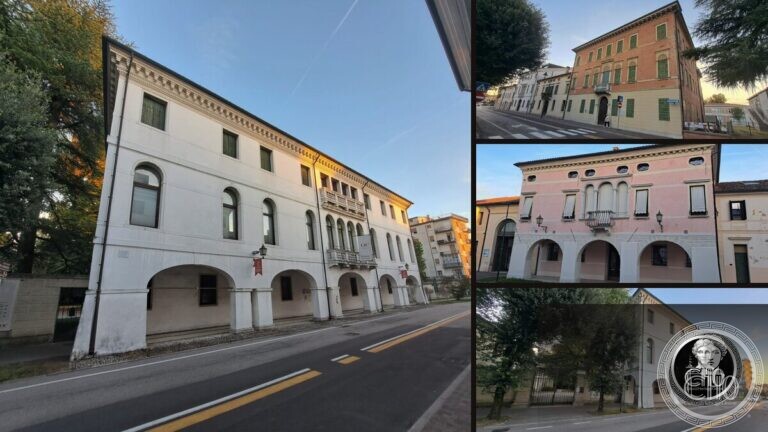
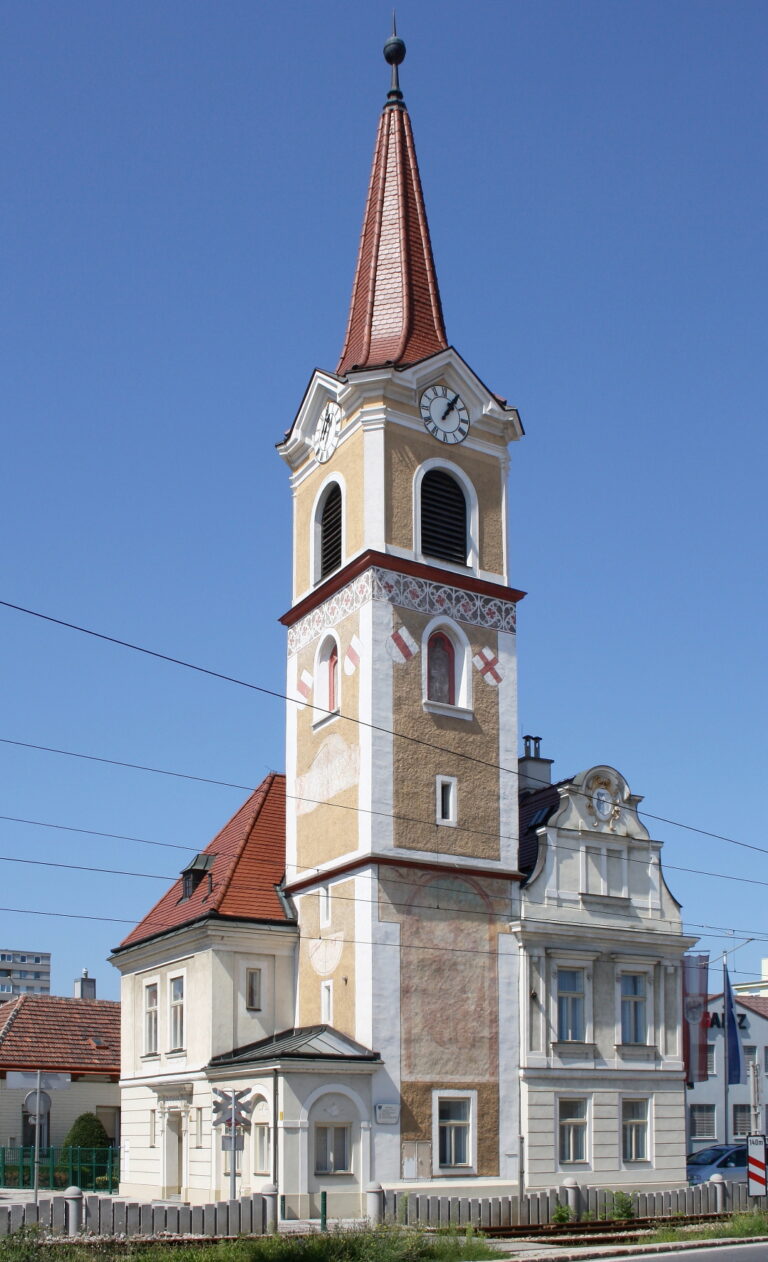
3. Historical Site / Headquarters
4. Legacy
Today, the Sangi Railway remains a vital artery in Mie Prefecture, notable for being one of the few private railways in Japan where heavy freight transport still constitutes a significant portion of its daily operations alongside passenger transit.
Historical Archive Footage
Sources
- S1 — National Diet Library Japan — Private Railway Archives — https://www.ndl.go.jp/
- S2 — Eiichi Aoki — A History of Japanese Railways 1872–1999, Seizando-Shoten, Tokyo, 2000, ISBN 978-4425960415
Spotted an error? Write to editorial@culturalheritageonline.com and we correct it the same day.