Monte Ermada, known in Slovenian as Grmada, rises near Trieste in northeastern Italy as a landscape marked by the First World War. The mountain, with a maximum height of 323 metres and extending over five kilometres from the Brestovizza valley toward the sea, sits close to the Lisert marshes and bears the imprint of the Battle of the Isonzo.
During the war, Italian artillery bombarded the mountain heavily in an attempt to open a route to strategically vital Trieste. The Austro-Hungarian forces, commanded by Croatian general Svetozar Boroevic von Bojna, defended from fortified bunkers and repelled every Italian assault. The mountain emerged from the conflict scarred but unconquered.
The Mountain Today
Present-day Monte Ermada spans one million square metres of woodland interspersed with sinkholes, numerous trails, caves, trenches, and bunkers. Wildlife including roe deer, chamois, and wild boar inhabit the slopes. Environmental associations have worked to restore pathways and clear trenches, yet the area attracts relatively few visitors despite its historical significance.
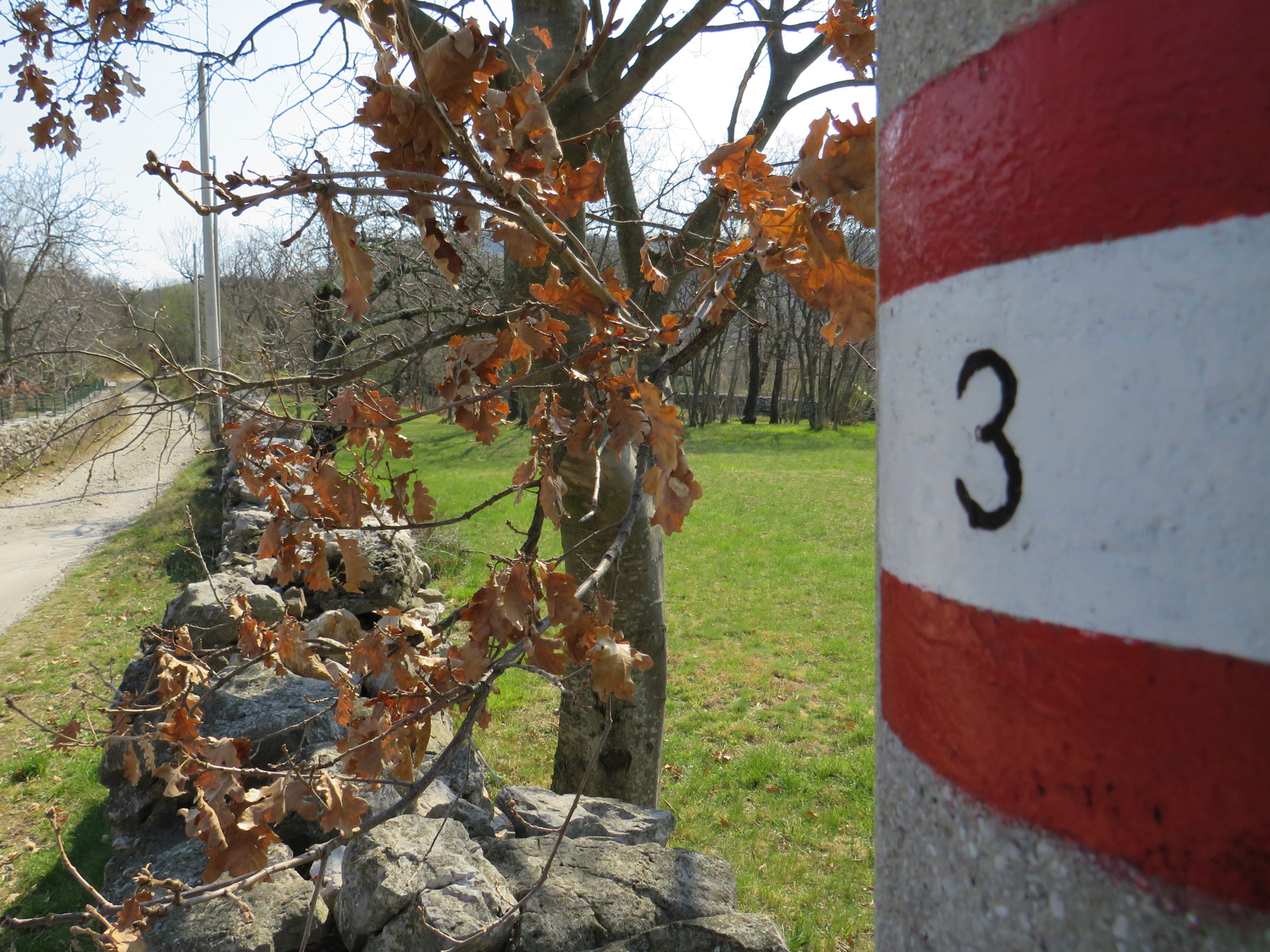
Hiking here requires no special equipment, though a torch is essential for exploring caves. The trek begins from Ceroglie near an agriturismo of the same name and follows Trail 3, the most rewarding route.
Cave Network and War Heritage
Trail 3 passes three major caves. The Motor Cave once housed a reflector and generator that powered the entire fortification system. The Monte Ermada or Hospital Cave, the most strategically important during wartime and most visited today, contains an artificial gallery exceeding seventy metres in length with two side recesses that stored military equipment and ammunition. Beyond it lies a second gallery with unusual stalactites and stalagmites.
The Pilone Cave served as a bivouac for troops; from there visitors access the Gavetta or Zita Cave, showcasing distinctive karst formations. From the summit, a 360-degree panorama encompasses the Karst plateau and sea. The entire itinerary concludes near Ceroglie, with numerous trenches and plaques testifying to the war’s lasting mark on the landscape.
On video
Explore more: 50 heritage places in Trieste
Frequently asked questions
Who commanded the Austro-Hungarian forces at Monte Ermada?
Croatian general Svetozar Boroevic von Bojna led the Austro-Hungarian troops, who defended from bunkers and successfully repelled Italian assaults.
What is the highest point of Monte Ermada?
The mountain reaches a maximum height of 323 metres and extends over five kilometres from the Brestovizza valley to the sea.
What equipment is needed to hike Monte Ermada?
No special clothing or gear is required, but a torch is essential for visiting the caves and caverns along the trails.