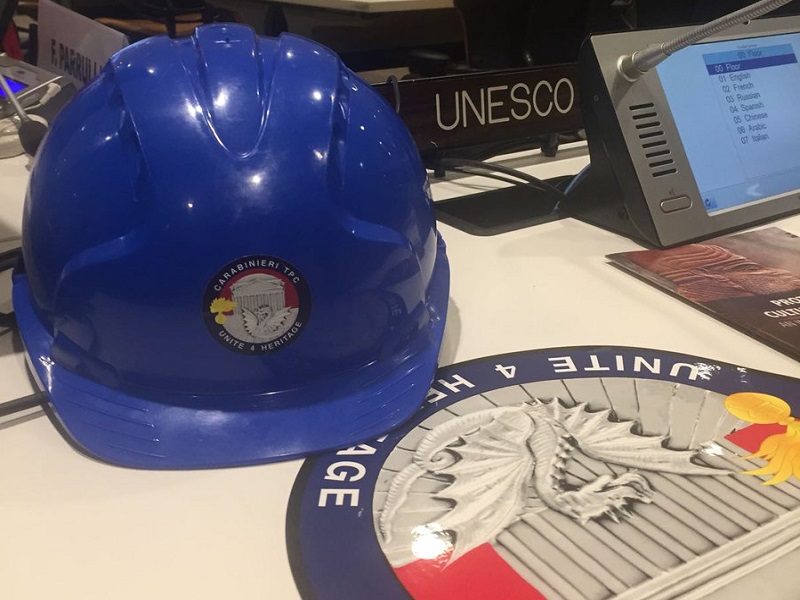
In January 2019, UNESCO and Italy established the first national task force dedicated to protecting cultural heritage in crisis zones. The team comprises 60 specialists including art historians, scholars, restorers, and members of the Carabinieri’s Cultural Heritage Protection Command.
The task force deploys to areas affected by conflict or disaster to assess damage to historical, artistic, archaeological and monumental sites. Members estimate losses, plan recovery operations, supervise restoration work, train local conservators, and combat looting and illicit trafficking of cultural artefacts.
Building on Milan commitments
The initiative represents international recognition of Italian expertise in cultural protection. It follows a trajectory that began at Expo Milan on 1 August 2015, when more than 80 Ministers of Culture signed the Milan Declaration committing to defend artistic, historical and archaeological heritage threatened by destruction.
Frequently asked questions
What is the composition of the task force?
The initial contingent consists of 60 people: art historians, researchers, restorers, and Carabinieri from the Cultural Heritage Protection Command.
What are the task force’s main responsibilities?
Members assess damage, plan recovery of affected assets, supervise restoration work, train local restorers, and combat looting and illegal trafficking of cultural artefacts.
When did this initiative originate?
The concept emerged from the Milan Declaration, signed by over 80 culture ministers at Expo Milan on 1 August 2015, which committed to protecting heritage threatened by destruction.