
A wax-resist dyeing technique of extraordinary sophistication, Indonesian batik transforms cloth through cycles of wax application, immersion, and removal—each layer adding colour and pattern in precise, deliberate sequences.
In UNESCO’s words
The techniques, symbolism and culture surrounding hand-dyed cotton and silk garments known as Indonesian Batik permeate the lives of Indonesians from beginning to end: infants are carried in batik slings decorated with symbols designed to bring the child luck, and the dead are shrouded in funerary batik. Clothes with everyday designs are worn regularly in business and academic settings, while special varieties are incorporated into celebrations of marriage and pregnancy and into puppet theatre and other art forms. The garments even play the central role in certain rituals, such as the ceremonial casting of royal batik into a volcano. Batik is dyed by proud craftspeople who draw designs on fabric using dots and lines of hot wax, which resists vegetable and other dyes and therefore allows the artisan to colour selectively by soaking the cloth in one colour, removing the wax with boiling water and repeating if multiple colours are desired. The wide diversity of patterns reflects a variety of influences, ranging from Arabic calligraphy, European bouquets and Chinese phoenixes to Japanese cherry blossoms and Indian or Persian peacocks. Often handed down within families for generations, the craft of batik is intertwined with the cultural identity of the Indonesian people and, through the symbolic meanings of its colours and designs, expresses their creativity and spirituality.
Official description, UNESCO Intangible Cultural Heritage List — Indonesian Batik
At a glance
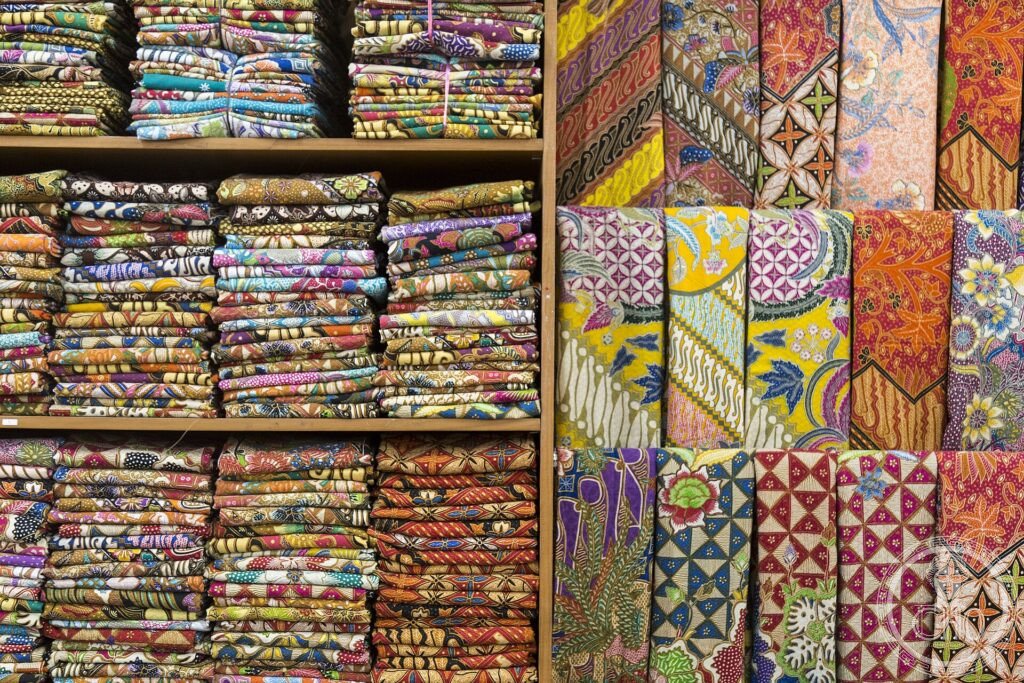
Indonesian batik is the art of hand-dyeing cotton and silk garments using hot wax to resist colour. Artisans draw designs onto fabric with dots and lines of melted wax, then soak the cloth in dye. The wax prevents the dye from reaching certain areas, creating patterns. When the wax is removed by boiling water, undyed cloth is revealed beneath. Multiple cycles of waxing and dyeing build multicoloured compositions. The wide diversity of patterns draws from many sources—Arabic calligraphy, European flowers, Chinese phoenixes, Japanese cherry blossoms, and Indian or Persian peacocks.
Origins & history
Batik permeates Indonesian life from birth to death: infants are carried in batik slings decorated with symbols for luck, and the dead are shrouded in funerary batik. The craft has become intertwined with Indonesian cultural identity over generations, often passed down within families. The technique of drawing designs with hot wax and using dye to colour selectively has allowed the tradition to develop its own refined character while absorbing artistic influences from many cultures.
The practice
Craftspeople draw designs on fabric using hot wax applied by brush or a carved stamp. The wax resists vegetable and other dyes, allowing artisans to colour selectively. The cloth is soaked in one colour, then the wax is removed with boiling water. For multiple colours, the process repeats: new areas are waxed, a different dye is applied, and the wax is removed again. Workshop practice unites generations, with master artisans teaching apprentices pattern-drawing, wax temperature control, timing, and the chemistry of different dyes.
Cultural significance
Batik carries deep symbolic meaning in Indonesian society. Infants wear decorated slings designed to bring luck, and special batik varieties mark marriages, pregnancies, puppet theatre, and other art forms. Certain patterns play central roles in rituals, such as the ceremonial casting of royal batik into a volcano. Through the symbolic meanings of colours and designs, batik expresses the creativity and spirituality of the Indonesian people. The tradition faces the challenge of balancing heritage practice with contemporary demands while maintaining its labour-intensive, hand-centred methods.
Key facts
- Country: Indonesia
- Inscribed: 2009
- UNESCO list: Representative List of the Intangible Cultural Heritage of Humanity
- UNESCO reference: 00170
- UNESCO vocabulary: Clothing; Textile arts; Weaving
- Map: not shown — UNESCO’s official description of this element names no locality, and a living tradition is practised across a community, not at one address.
Where to experience it
Indonesian batik is woven into the daily life of communities throughout the archipelago, where craftspeople continue to practise this ancient art form. Visitors can observe artisans at work in active workshops, watching the careful application of hot wax, the immersion in dye vats, and the boiling away of cooled wax to reveal intricate patterns. Many studios offer finished batik textiles for purchase and welcome those interested in learning the technique themselves through short courses or demonstrations.
Sources & resources
- UNESCO — official element page: Indonesian Batik
- UNESCO — open data record: Intangible Heritage List, reference 00170
- UNESCO — official video: UNESCO film on this element — embedded on this page
- UNESCO — official photograph: Photograph of this element — Gaura Mancacariladipura — Batik Museum Institute, Pekalongan, 2008
- Reference — Wikipedia (secondary): Batik — consulted as a secondary reference, not as confirmation
- Cultural Heritage Online: Our archive and city guides

Sources
- S1 — Elliott, Inger McCabe. Batik: Fabled Cloth of Java. Tuttle Publishing, 2004. ISBN 978-0-7946-0272-7.
- S2 — Maxwell, Robyn. Textiles of Southeast Asia: Tradition, Trade and Transformation. Periplus Editions, 2003. ISBN 978-0-7946-0104-1.
Spotted an error? Write to editorial@culturalheritageonline.com and we correct it the same day.