In 1929, amidst the intellectual fervor of Bloomsbury in central London, Geoffrey Faber established Faber and Faber. Anchored by the editorial genius of Nobel laureate T.S. Eliot, who served as a founding director for four decades, the publishing house defined twentieth-century English poetry and drama, championing literary giants from W.H. Auden and Ezra Pound to Samuel Beckett, William Golding, and Seamus Heaney.
The Bloomsbury Circle and the Poet-Director
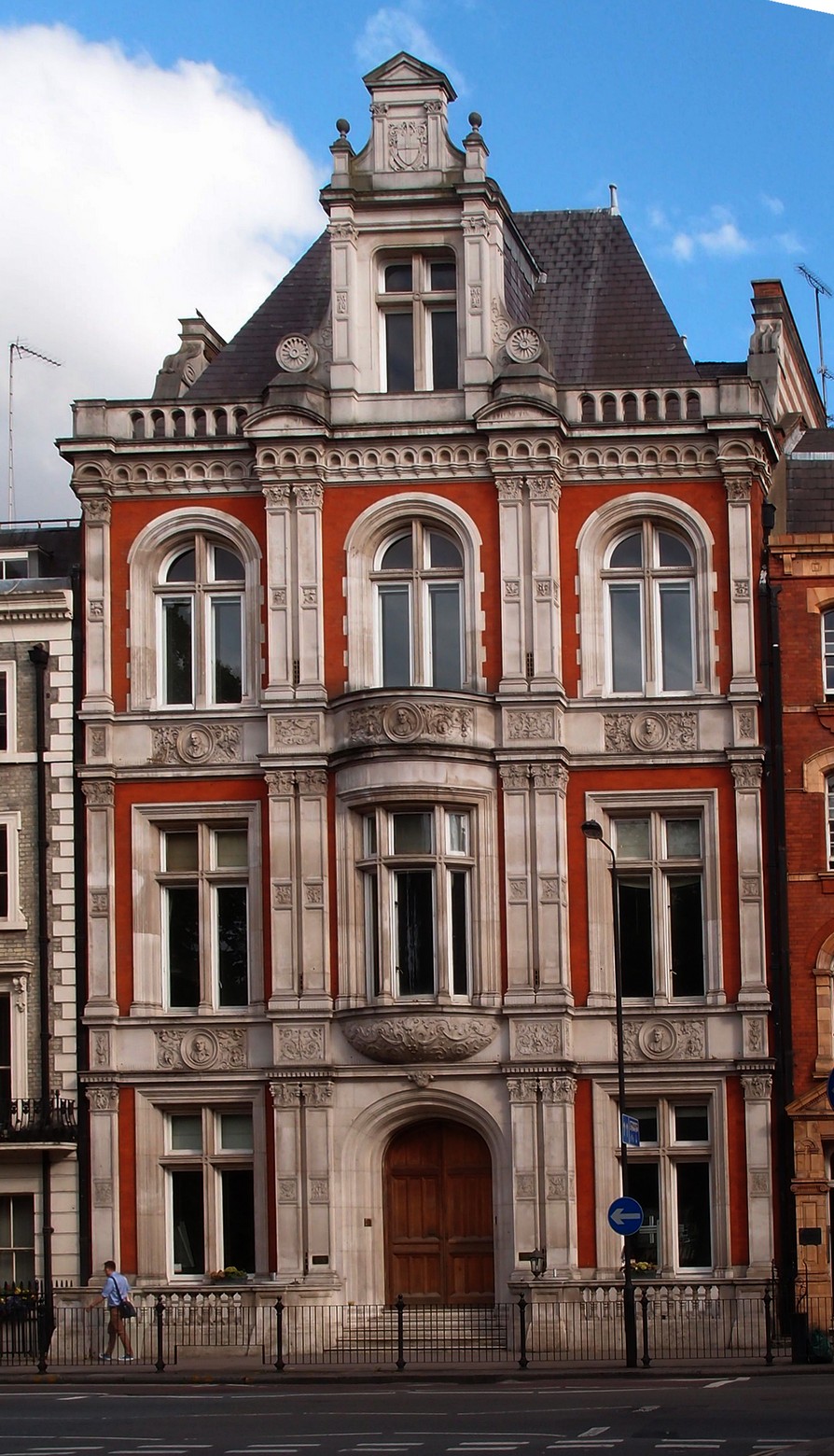
In 1925, Oxford academic and businessman Geoffrey Faber (1889–1961) entered publishing by acquiring the Scientific Press, rebranding it as Faber & Gwyer. When partner Maurice Gwyer withdrew in 1929, Faber reorganized the company as Faber and Faber at 24 Russell Square. Despite the plural name—adopted humorously because Geoffrey Faber claimed that “if a firm has only one Faber, people will think there is something missing”—the house was singular in its intellectual focus.
Geoffrey Faber made one of the most consequential editorial appointments in publishing history by hiring American-born poet T.S. Eliot (1888–1965) as literary director. Operating from his small office overlooking Russell Square, Eliot read manuscripts, provided line edits, and personally curated the Faber poetry list, nurturing emerging voices like W.H. Auden, Stephen Spender, and Louis MacNeice and establishing the firm as the premier guardian of Modernist letters.
The Graphic Heritage of Berthold Wolpe and Independent Autonomy
Beyond textual brilliance, Faber and Faber revolutionized mid-century British book design. In 1941, Eliot and Faber recruited legendary German-Jewish refugee typographer Berthold Wolpe (1905–1989), creator of the Albertus typeface. Over the next thirty years, Wolpe hand-lettered more than 1,500 iconic book jackets for Faber, creating a bold, unmistakable visual identity that dominated British bookshops and private libraries.
Proudly independent while most rival houses were absorbed into multinational conglomerates, Faber and Faber operates today from its Bloomsbury headquarters on Great Russell Street. Approaching its centenary in 2029, the house remains a beacon of literary curation, typifying the golden age of London’s intellectual quarter.
Fiera del Libro e la cultura tipografica ed editoriale
Immagini d'archivio storico dell'Istituto Luce che testimoniano la diffusione del libro, l'arte della stampa tipografica e il fervore culturale europeo tra le due guerre mondiali. (Fonte: Archivio Storico Istituto Luce Cinecittà)
Interactive 360° Heritage View: The Bloomsbury House & Historic Faber Literary Quarter
Historical Location: 74-77 Great Russell Street, Bloomsbury, London WC1B 3DA, United Kingdom (Coordinates: 51.5186, -0.1256)
Sources
- S1 — Faber, Toby. Faber & Faber: The Untold Story of a Great Publishing House. Faber & Faber, 2019. ISBN 978-0-571-33904-4.
- S2 — Eliot, T. S. Letters of T. S. Eliot: Volume 4 (1928-1929). Faber & Faber, 2013. ISBN 978-0-571-27964-7.
Spotted an error? Write to editorial@culturalheritageonline.com and we correct it the same day.