

Venetian merchant roots, retail democratization, and twentieth-century urban department store architecture.
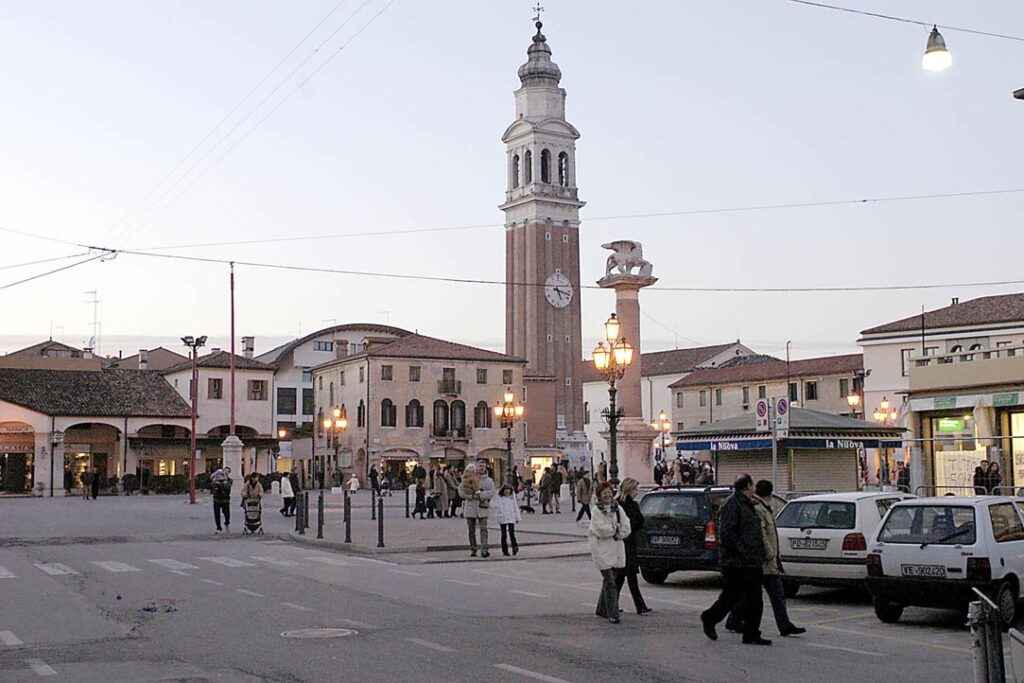
In 1916, during the economic constraints of wartime Veneto, Vittorio Coin obtained his official municipal license as an itinerant vendor of drapery, fabrics, and dry goods across Pianiga and surrounding rural municipalities.
The Wooden Handcart and Rural Commerce
Transporting rolls of cotton, wool, and tailoring accessories on a modest wooden handcart, Vittorio Coin traversed village market squares across the Venetian mainland. At a time when quality textiles were scarce and expensive for rural households, his business principle focused on honest pricing, clear fabric measurements, and direct customer rapport. Through a decade of persistent peddling across the Venetian countryside, he accumulated the commercial capital and supplier network required to transition from open-air stalls to permanent brick-and-mortar retail premises.
Mirano Emporium and Modern Department Stores
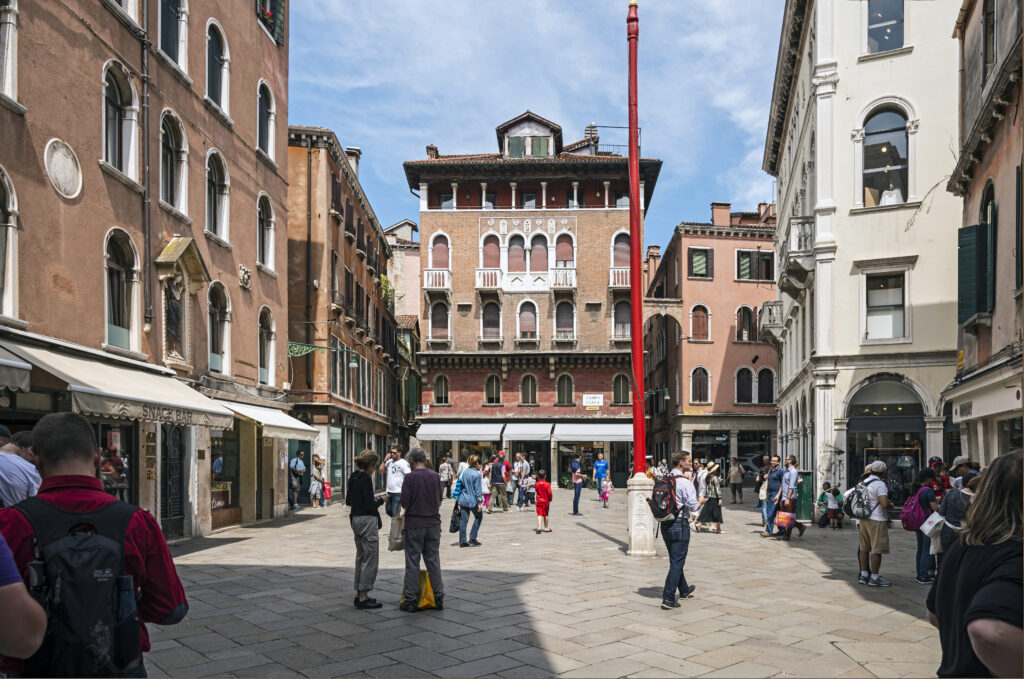
In 1927, Vittorio Coin inaugurated his first permanent store on Piazza Martiri in Mirano, introducing fixed displayed prices and open fabric displays that broke with traditional closed shopkeeping customs. The venture expanded rapidly into neighboring urban centers, establishing prominent stores in Mestre in 1929 and on Venice’s prestigious Campo San Luca in 1933. Guided by subsequent generations, Coin pioneered the modern department store concept in Italy, integrating clothing, cosmetics, and domestic design under one roof.
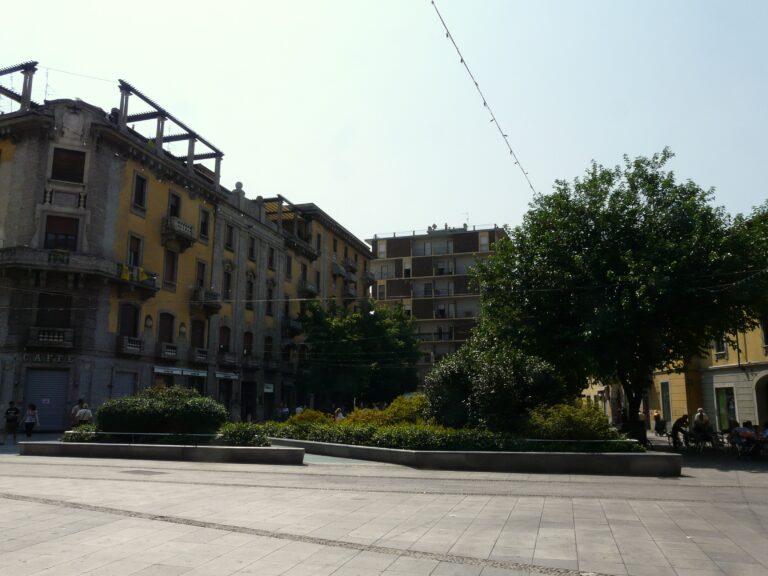
The historic building and town square of Mirano stand as the cradle of the Coin merchant enterprise, while the iconic multi-story Venetian flagship on Campo San Luca continues to serve shoppers, preserving the urban architectural fabric of the mid-twentieth-century retail transformation.
Historic Site & Location
Historic Address: Piazza Martiri della Libertà, Mirano, VE, Italy
Sources
- S1 — Fondazione Coin, Archivio d’Impresa e Documentazione Storica, Venezia — https://www.fondazionecoin.it/
- S2 — Dizionario Biografico degli Italiani, Treccani, voce «Vittorio Coin» — https://www.treccani.it/enciclopedia/vittorio-coin_(Dizionario-Biografico)/
- S3 — Camera di Commercio di Venezia Rovigo, Registro Imprese Storiche del Veneto — https://www.dl.camcom.it/
Spotted an error? Write to the editors and we correct it the same day.
At auction this weekArt Deco glass, lighting and furniture are sold at auction every weekPieces from the 1920s and 1930s are open for bidding today on Catawiki, where an expert checks each lot before it goes live.See what is open on Catawiki →

Advertisement. Pictured, from the Cleveland Museum of Art (CC0) and not for sale: three pieces of Lalique glass, 1920 to 1931. How we handle this