
The Spring Festival marks the beginning of the lunisolar year across China and the Chinese diaspora, uniting families in reunion dinners, ritual cleansing, and the exchange of blessings from Chinese New Year’s Eve through the Lantern Festival on the 15th day.
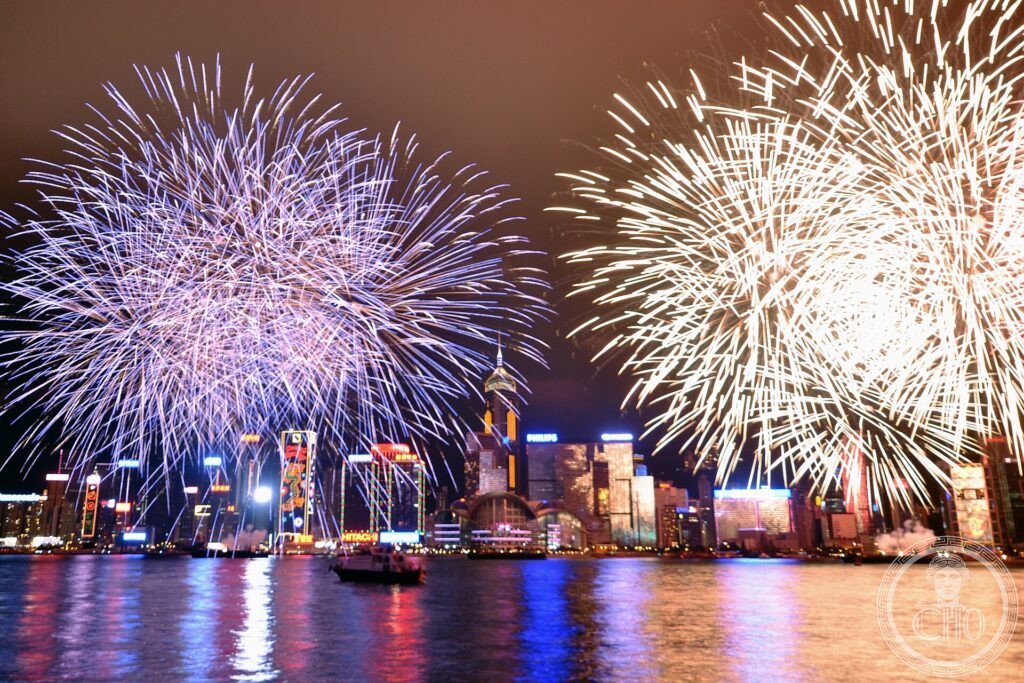
In UNESCO’s words
In China, the spring festival marks the beginning of the new year. It falls on the first day of the first month of the Chinese calendar and involves a variety of social practices to usher in the new year, pray for good fortune, celebrate family reunions and promote community harmony. This process of celebration is known as ‘guonian’ (crossing the year). In the days preceding the festival, people clean their homes, stock provisions and prepare food. On New Year’s Eve, families dine together and stay up late to welcome the new year. During the festival, people wear new clothes, make offerings to heaven, earth and ancestors, and extend greetings to elders, relatives, friends and neighbours. Public festivities are held by communities, cultural institutions, social groups and art troupes. The traditional knowledge of the rituals, customs, legends and ballads associated with the spring festival, and the skills of preparing festival decorations and supplies, are transmitted informally within families and communities as well as formally through the public education system. Related crafts and performing arts are transmitted through apprenticeships. The spring festival promotes family values, social cohesion and peace while providing a sense of identity and continuity for the Chinese people.
Official description, UNESCO Intangible Cultural Heritage List — Spring festival, social practices of the Chinese people in celebration of traditional new year
At a glance
The Spring Festival marks the beginning of the new year on the first day of the first month of the Chinese calendar. Known as 'guonian' or crossing the year, it involves a variety of social practices designed to usher in the new year, pray for good fortune, celebrate family reunions, and promote community harmony. The festival encompasses household preparations, family gatherings, ritual observances, and public festivities organized by communities and cultural institutions.
Origins & history
The traditional knowledge, rituals, customs, legends, and ballads associated with the Spring Festival have been passed down through generations. This transmission occurs both informally within families and communities, and formally through the public education system. Related crafts and performing arts are transmitted through apprenticeships, ensuring the continuity of traditional practices.
The practice
In the days before the festival, people clean their homes, stock provisions, and prepare food. On New Year's Eve, families dine together and stay up late to welcome the new year. During the festival, people wear new clothes, make offerings to heaven, earth, and ancestors, and extend greetings to elders, relatives, friends, and neighbours. Communities hold public festivities, with cultural institutions, social groups, and art troupes participating in celebrations.
Cultural significance
The Spring Festival promotes family values, social cohesion, and peace within Chinese communities. It provides a sense of identity and continuity for the Chinese people, reinforcing bonds across generations and strengthening community ties. The festival's emphasis on family reunions and collective celebration reflects its role as a cornerstone of cultural and social life.
Key facts
- Country: China
- Inscribed: 2024
- UNESCO list: Representative List of the Intangible Cultural Heritage of Humanity
- UNESCO reference: 02126
- UNESCO vocabulary: Festivals; New year
- Map: not shown — UNESCO’s official description of this element names no locality, and a living tradition is practised across a community, not at one address.
Where to experience it
Throughout China, communities celebrate the Spring Festival with family reunion dinners, home preparations, and public festivities organised by cultural institutions and art troupes. The festival involves wearing new clothes, making offerings to ancestors, and exchanging greetings with family and neighbours. Visitors can witness traditional decorations, performing arts, and the transmission of festival knowledge through family gatherings and formal education. The celebration's customs and rituals—rooted in legends and ballads—create a shared sense of identity and continuity across Chinese communities, reinforcing family values and social harmony during this significant marking of the new year.
Sources & resources
- UNESCO — official element page: Spring festival, social practices of the Chinese people in celebration of traditional new year
- UNESCO — open data record: Intangible Heritage List, reference 02126
- UNESCO — official video: UNESCO film on this element — embedded on this page
- UNESCO — official photograph: People are shopping at Xuzhuang Fair in Shanting District, Zaozhuang City, Shandong Province — Hong Xiaodong — Ministry of Culture and Tourism of the People’s Republic of China, 2023
- Reference — Wikipedia (secondary): Chinese New Year — consulted as a secondary reference, not as confirmation
- Cultural Heritage Online: Our archive and city guides

Sources
- S1 — Stepanchuk, Carol, and Charles Wong. Mooncakes and Hungry Ghosts: Festivals of China. China Books & Periodicals, 1991. ISBN 978-0-8351-2481-2.
- S2 — Eberhard, Wolfram. Chinese Festivals. Henry Schuman, 1952. ISBN 978-0-89875-873-3.
Spotted an error? Write to editorial@culturalheritageonline.com and we correct it the same day.