
The cultivation of silkworms and transformation of their cocoons into thread represents one of humanity’s oldest textile arts, sustaining communities across Central Asia and the Middle East through knowledge passed down across millennia.
In UNESCO’s words
In sericulture and the traditional production of silk for weaving, farmers care for the silkworms through their entire lifecycle, growing the mulberry trees that provide leaves upon which the worms feed and produce silkworm eggs. The fibres are reeled from the cocoons, spun into silk threads, cleaned and dyed. The threads are then used to create various types of craft products, including fabrics, carpets, rugs and curtains. Silk products are highly valued by all social and cultural classes, and people use them for special occasions such as weddings, funerals and family gatherings. Deeply rooted in the traditions of the Great Silk Road, the practice is an expression of cultural identity and centuries-old traditions. It is also viewed as a symbol of social cohesion, as the silk trade contributed to the exchange of culture and science within and across the countries concerned.
Official description, UNESCO Intangible Cultural Heritage List — Sericulture and traditional production of silk for weaving
At a glance
Sericulture is the practice of raising silkworms and processing their cocoons into silk thread for weaving. Farmers grow mulberry trees to feed the worms, care for them through their complete lifecycle, and produce silkworm eggs. The cocoon fibres are reeled, spun into threads, cleaned and dyed to create fabrics, carpets, rugs, curtains and other craft products. Silk items are valued across all social and cultural classes and feature prominently in special occasions including weddings, funerals and family gatherings.
Origins & history
Sericulture is rooted in the traditions of the Great Silk Road and represents centuries-old cultural practices. The knowledge and methods have been passed down through generations, becoming deeply embedded in the communities that practise them. The practice has long served as an expression of cultural identity.
The practice
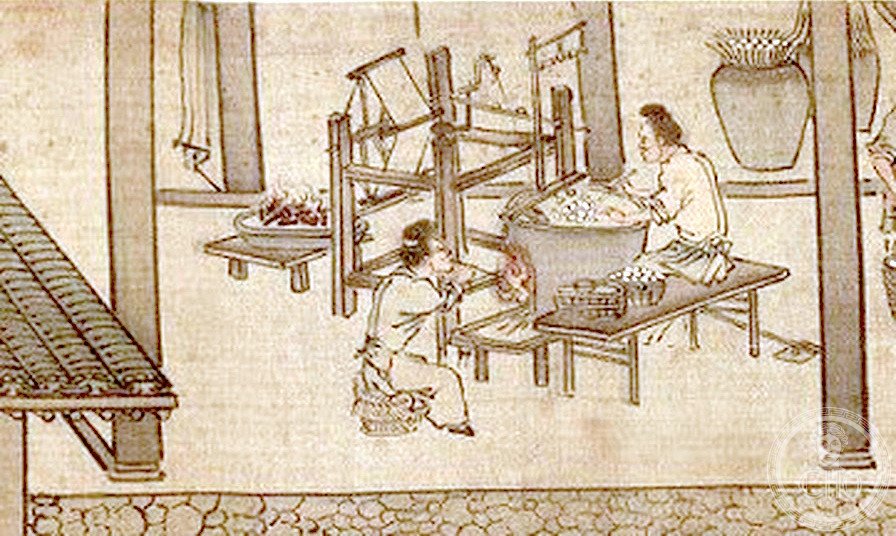
Farmers care for silkworms throughout their entire lifecycle, growing mulberry trees that provide the leaves the worms feed upon. The worms produce cocoons from which fibres are reeled and spun into silk threads. The threads are cleaned and dyed through traditional methods. These threads are then woven into various craft products—fabrics, carpets, rugs and curtains—using techniques refined over centuries.
Cultural significance
Silk products hold deep cultural meaning and are used to mark important social moments. The practice functions as a symbol of social cohesion, as the silk trade historically contributed to the exchange of culture and science between communities and across borders. Sericulture remains an expression of cultural identity for the communities where it is practised, connecting people through shared tradition and craft knowledge.
Key facts
- Country: Afghanistan, Azerbaijan, Iran (Islamic Republic of), Türkiye, Tajikistan, Turkmenistan, Uzbekistan
- Inscribed: 2022
- UNESCO list: Representative List of the Intangible Cultural Heritage of Humanity
- UNESCO reference: 01890
- UNESCO vocabulary: Technical skills; Textile arts; Weaving
- Map: not shown — UNESCO’s official description of this element names no locality, and a living tradition is practised across a community, not at one address.
- Related World Heritage site: Samarkand – Crossroad of Cultures, Golestan Palace, Historic Centre of Bukhara (a different UNESCO designation, not the place of the tradition)
Where to experience it
Sericulture and silk production remain deeply embedded in communities across the regions historically connected to the Great Silk Road. Visitors can encounter this living tradition through family workshops and local cooperatives where farmers tend mulberry trees and silkworms, and artisans reel, spin, dye and weave silk threads into fabrics, carpets and ceremonial textiles. The practice thrives among people of all social backgrounds, who value silk products for weddings, funerals and family gatherings, keeping centuries-old traditions alive.
Sources & resources
- UNESCO — official element page: Sericulture and traditional production of silk for weaving
- UNESCO — open data record: Intangible Heritage List, reference 01890
- UNESCO — official photograph: Silkworm breeders are feeding the silkworms, Tajikistan — Zafar Kholmurodov — Tajikistan National Commission for UNESCO, 2020
- Reference — Wikipedia (secondary): Sericulture — consulted as a secondary reference, not as confirmation
- Cultural Heritage Online: Our archive and city guides
