
In homes and villages across Korea, the autumn ritual of kimjang brings communities together to ferment and preserve napa cabbage and radishes in a labor-intensive practice that sustains both body and social bonds through winter.
In UNESCO’s words
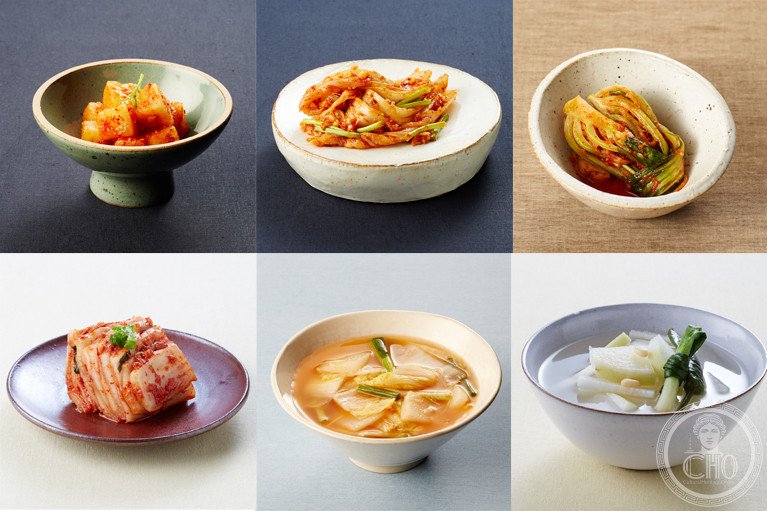
Kimchi is the Korean name for preserved vegetables seasoned with spices and fermented seafood. It forms an essential part of Korean meals, transcending class and regional differences. The collective practice of Kimjang reaffirms Korean identity and is an excellent opportunity for strengthening family cooperation. Kimjang is also an important reminder for many Koreans that human communities need to live in harmony with nature. Preparation follows a yearly cycle. In spring, households procure shrimp, anchovy and other seafood for salting and fermenting. In summer, they buy sea salt for the brine. In late summer, red chilli peppers are dried and ground into powder. Late autumn is Kimjang season, when communities collectively make and share large quantities of kimchi to ensure that every household has enough to sustain it through the long, harsh winter. Housewives monitor weather forecasts to determine the most favourable date and temperature for preparing kimchi. Innovative skills and creative ideas are shared and accumulated during the custom of exchanging kimchi among households. There are regional differences, and the specific methods and ingredients used in Kimjang are considered an important family heritage, typically transmitted from a mother-in-law to her newly married daughter-in-law.
Official description, UNESCO Intangible Cultural Heritage List — Kimjang, making and sharing kimchi in the Republic of Korea
At a glance
Kimjang is the collective practice of making and sharing kimchi, Korea's preserved vegetable dish seasoned with spices and fermented seafood. It forms an essential part of Korean meals across all classes and regions. Communities come together, particularly in late autumn, to prepare large quantities of kimchi and distribute it among households, ensuring everyone has enough to sustain them through the winter months ahead.
Origins & history
Kimjang follows a yearly preparation cycle rooted in Korea's seasonal rhythms. In spring, households procure shrimp, anchovy, and other seafood for salting and fermenting. Summer brings the purchase of sea salt for brine. Late summer is when red chilli peppers are dried and ground into powder. This accumulated preparation culminates in late autumn Kimjang season, when communities collectively make and share kimchi as a long-standing response to winter's harsh conditions.
The practice
During Kimjang, housewives monitor weather forecasts to select the most favourable date and temperature for preparation. Communities work collectively to make large quantities of kimchi, applying regional methods and ingredients passed down as family heritage—typically transmitted from mother-in-law to newly married daughter-in-law. Innovative skills and creative ideas are shared and accumulated through the custom of exchanging kimchi among households, allowing techniques and variations to spread within communities.
Cultural significance
Kimjang reaffirms Korean identity and strengthens family cooperation across generations. The practice serves as an important reminder that human communities need to live in harmony with nature, following seasonal cycles for procurement and preservation. By ensuring every household has sufficient kimchi for winter survival, the collective practice reinforces community bonds and mutual obligation, embedding cultural knowledge and values within the tradition itself.
Key facts
- Country: Republic of Korea
- Inscribed: 2013
- UNESCO list: Representative List of the Intangible Cultural Heritage of Humanity
- UNESCO reference: 00881
- UNESCO vocabulary: Fermentation; Food preparation
- Map: not shown — UNESCO’s official description of this element names no locality, and a living tradition is practised across a community, not at one address.
Where to experience it
Kimjang lives within Korean households and communities throughout the country, where families gather each late autumn to prepare kimchi collectively. Visitors can encounter the tradition during the season by connecting with local community organizations and cultural centers that often welcome participation in preparation activities. The practice unfolds in homes where recipes and techniques pass from mothers-in-law to daughters-in-law, and regional variations reflect distinct family heritages. Food producers and restaurants that maintain traditional methods may also offer opportunities to observe or join in the work of fermenting and sharing kimchi, allowing outsiders to witness how this seasonal practice strengthens families and communities.
Sources & resources
- UNESCO — official element page: Kimjang, making and sharing kimchi in the Republic of Korea
- UNESCO — open data record: Intangible Heritage List, reference 00881
- UNESCO — official video: UNESCO film on this element — embedded on this page
- UNESCO — official photograph: Photograph of this element — Cultural Heritage Administration, Republic of Korea, 2013
- Reference — Wikipedia (secondary): Kimchi — consulted as a secondary reference, not as confirmation
- Cultural Heritage Online: Our archive and city guides
